
Fast, Reliable Attic Insulation Across San Marino
Attic insulation in San Marino is rarely a simple roll-out job. Most homes here were built between the 1910s and 1960s, with clay tile roofs, plaster walls, and attic cavities that have been patched over by decades of re-roofs, rewires, and remodels. We plan every job around the house itself, not the other way around. Our crews work throughout 91108 and 91118 every week, and we can usually get a technician to your property within one to two business days for an assessment. If you’re dealing with a failed original insulation job or an attic that’s baking your upstairs rooms, call (855) 382-3451 and we’ll walk you through what’s actually going on up there.
Why Thermal Insulation Co Is San Marino’s Preferred Attic Insulation Company
We’re an insulation contractor first. That’s the whole trade. We don’t do roofing, we don’t do plumbing, and we don’t treat attic work as a side line between kitchen remodels. That focus matters in a city like San Marino, where the housing stock demands a level of care that generalists often don’t have the patience or training for. Homeowners here have told us they chose us because we could explain why a specific material made sense for their home, not just hand them a single-product quote and leave. Ruben Castellano, who leads our team, has spent years working on older Southern California homes, and he’s the person who sets the standard for how we handle fragile tile roofs and original plaster.
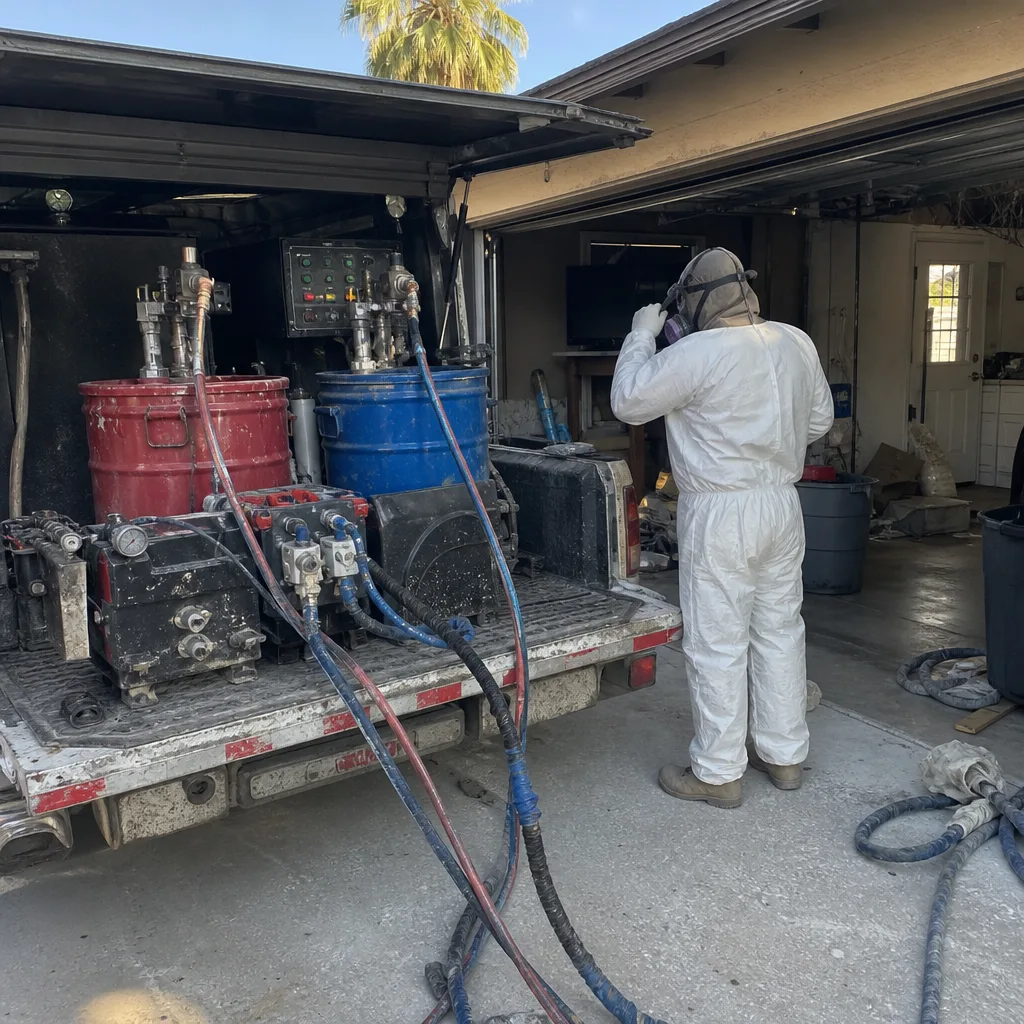
We also carry eight material brands, including Owens Corning, Demilec, and GreenFiber, so we’re never forced to sell you something that doesn’t fit your attic. If a home needs blown-in fiberglass over a tight cavity, that’s what we recommend. If a bonus room over a garage needs closed-cell spray foam to stop radiant heat, we recommend that instead. The house decides. We just supply the expertise and the right product.
Attic Cleaning Services in San Marino
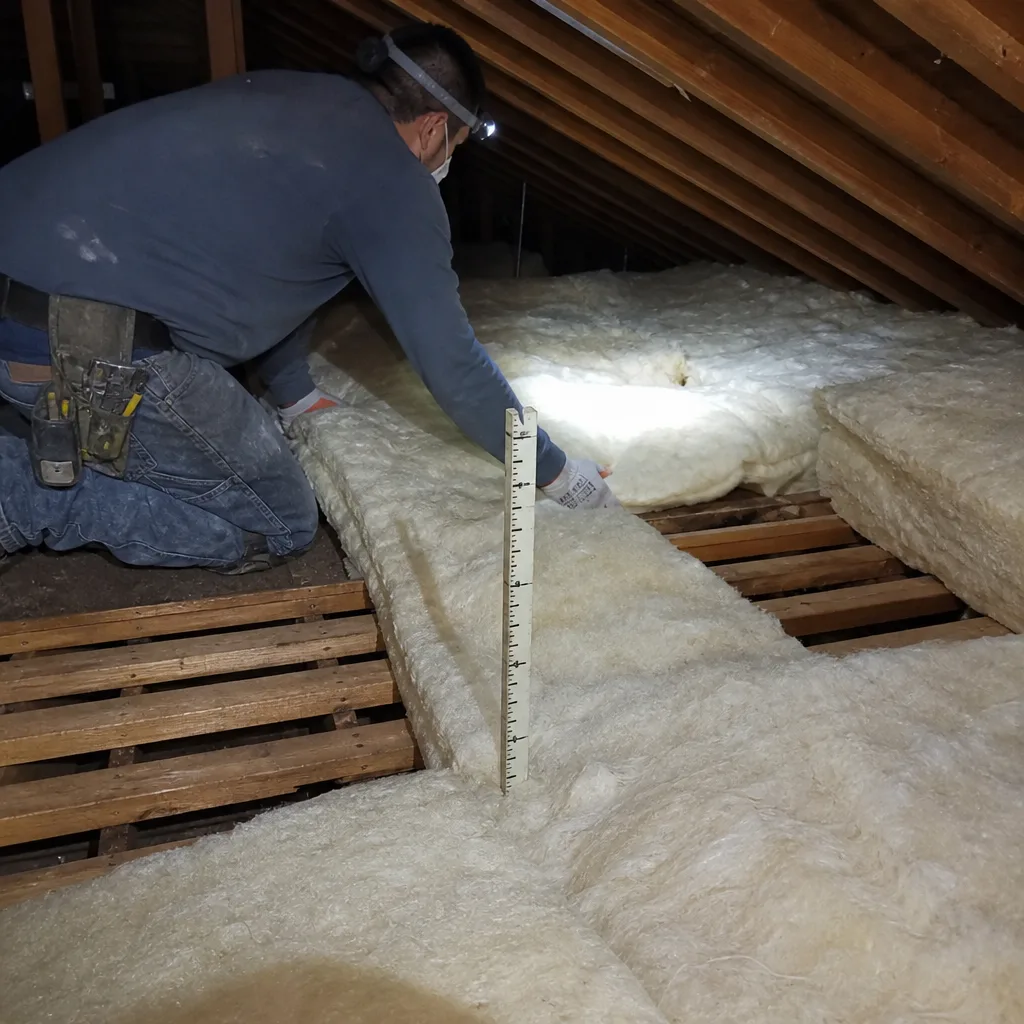
Attic Cleaning Services in San Marino usually means removing decades of dust, rodent debris, and broken-down insulation from an attic that hasn’t been opened in twenty years. Older homes here, especially the Spanish Colonial Revival and Mediterranean estates from the 1920s and 1930s, often have attics that were never fully cleared when the house changed hands. A proper clean removes the contaminated material, sanitizes the decking, and gives our crew a clear view of what’s actually happening with your framing and wiring. For a typical San Marino attic, cleaning alone runs roughly $800 to $1,600, and larger custom homes with complex roof lines can exceed that. If you’re seeing droppings, dust trails, or just a fine layer of grit on your stored boxes, it’s worth clearing the space before adding new insulation.
Why Cleaning Comes Before New Insulation
You can’t blow new fiberglass over rat droppings and call it done. The contaminants stay there, and the new insulation just covers them up. We clean first, inspect second, and insulate third. That sequence prevents moisture problems and gives you an honest picture of your attic’s condition.
Old Insulation and Clay Tile Dust
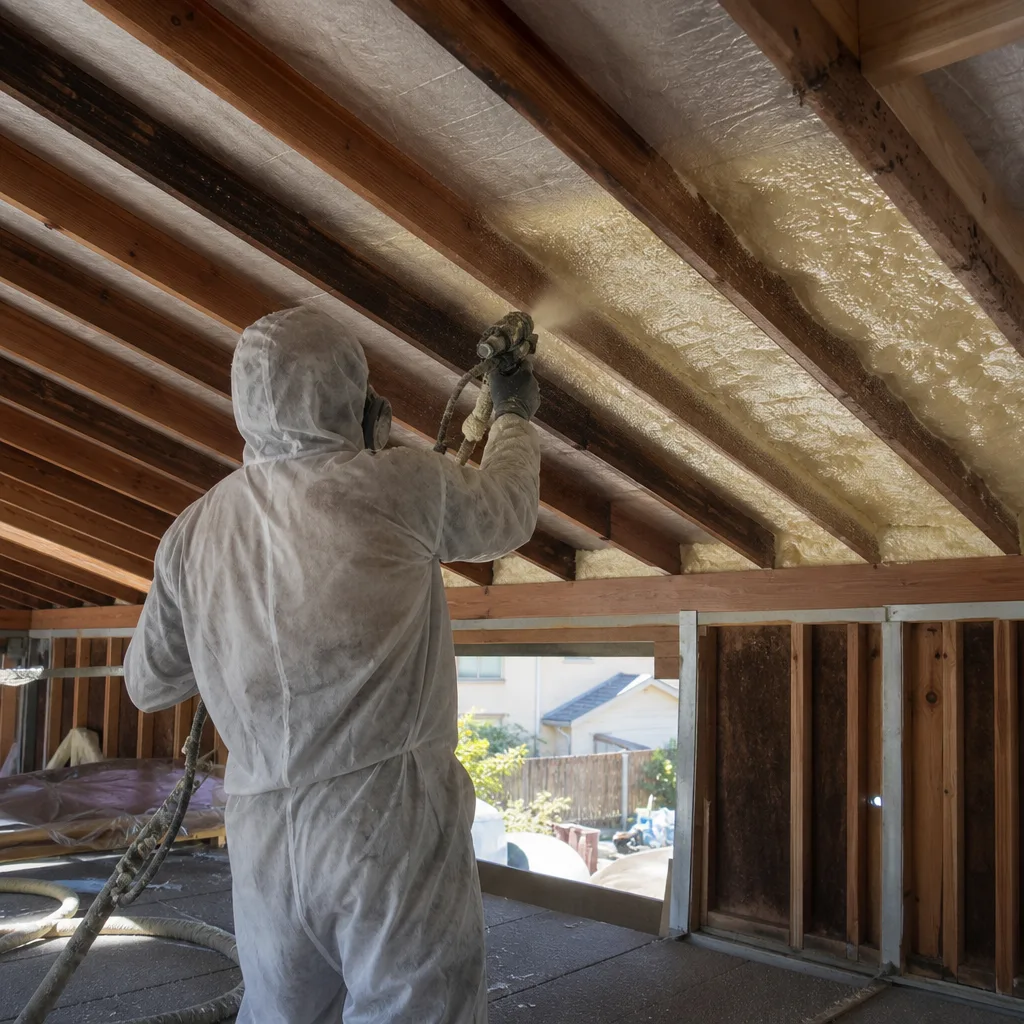
Homes with original clay tile roofs often have a fine reddish dust that works its way into the attic after decades of tile wear. Cleaning that out before adding new insulation prevents it from getting trapped in the new material and settling into air gaps. It’s a small step that most generalist crews skip.
What happens when you call
- 1
A real person answersNo phone trees — you reach a local pro.
- 2
You get an upfront price rangeHonest numbers before anyone is dispatched.
- 3
A background-checked tech heads outLicensed & insured, dispatched right away.
- 4
You approve before work beginsNothing starts until you say go.
Attic Mold Removal in San Marino
Attic Mold Removal in San Marino is most common in older plaster-walled homes where the original vapor barrier has failed or was never properly installed. Under a Mediterranean-style roof with limited eave venting, moisture from the living space rises into the attic and condenses on the underside of the sheathing. You’ll see dark staining on the wood, a musty smell in the hallway, and sometimes peeling paint near the ceiling. Our crew removes the affected insulation, treats the mold on the decking and framing, and corrects the moisture source so it doesn’t return. Attic mold remediation in San Marino typically runs $1,200 to $3,200 depending on the square footage and how far the growth has spread. If you’ve got original plaster walls and you’re noticing that smell, get it checked before it becomes a bigger repair.
Mold in Masonry and Plaster Homes
Plaster walls breathe differently than drywall. They hold moisture longer and release it slowly, which means attic mold in a 1925 Mediterranean can develop even in a dry climate like ours. The problem is almost always ventilation and air sealing, not just surface mold. We treat both.
When Cleaning Alone Won’t Fix It
If mold has spread into the insulation itself, you can’t just clean around it. The insulation has to come out. We bag it, remove it, treat the wood, and then rebuild the insulation layer properly. Skipping the removal step leaves spores behind and the problem returns within a year.
Trusted Brands We Service in San Marino
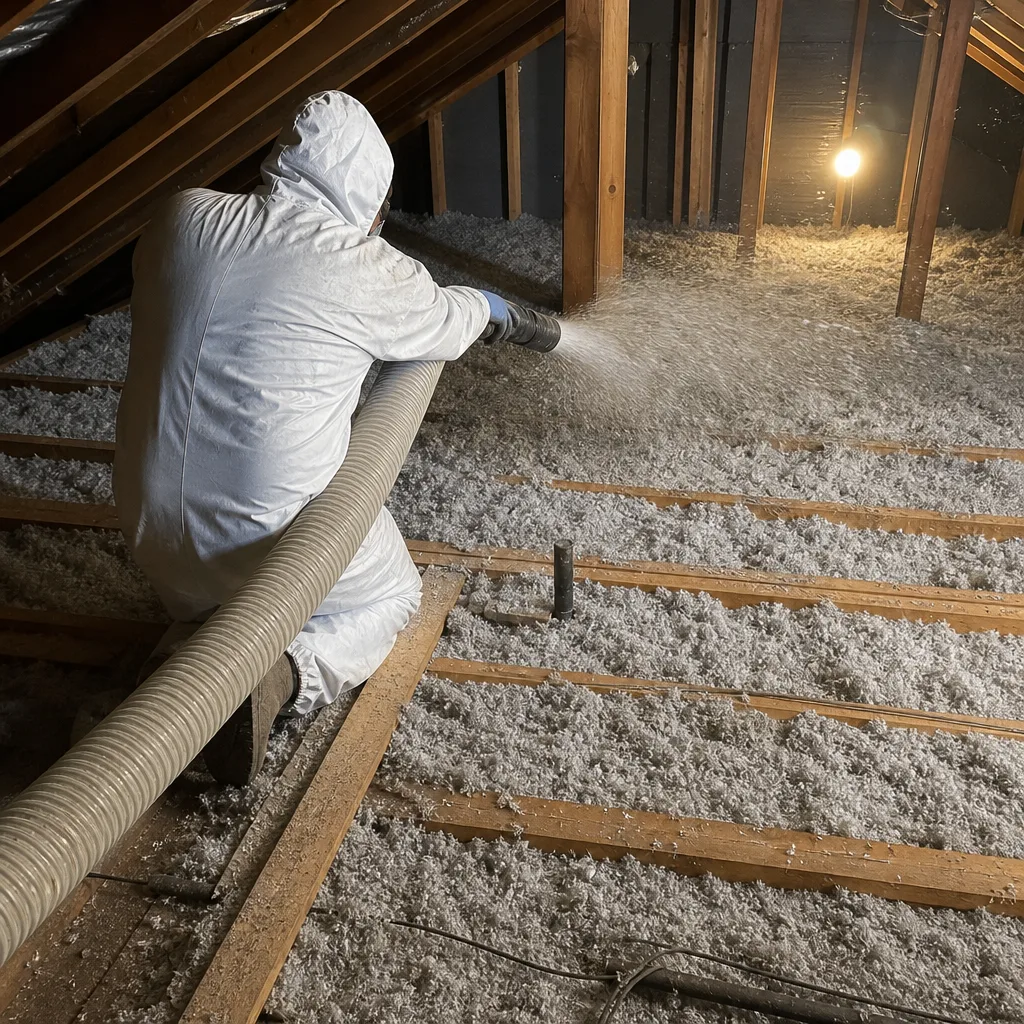
We’re authorized to install products from eight nationally recognized insulation manufacturers, and we stock the ones that make the most sense for San Marino’s housing. Attic Insulation jobs here often call for Owens Corning blown-in fiberglass because it fills irregular cavities well and hits high R-values without tearing open your plaster ceilings. Demilec open-cell and closed-cell spray foam handles the air sealing and radiant heat issues that plague bonus rooms and upper floors under tile roofs. GreenFiber cellulose gives San Marino homeowners with sustainability priorities a recycled-content option that still performs well in our climate. Carrying multiple brands lets us match the material to your home’s actual performance needs rather than whatever happens to be on the truck.
Common Attic Insulation Problems We See in San Marino Homes
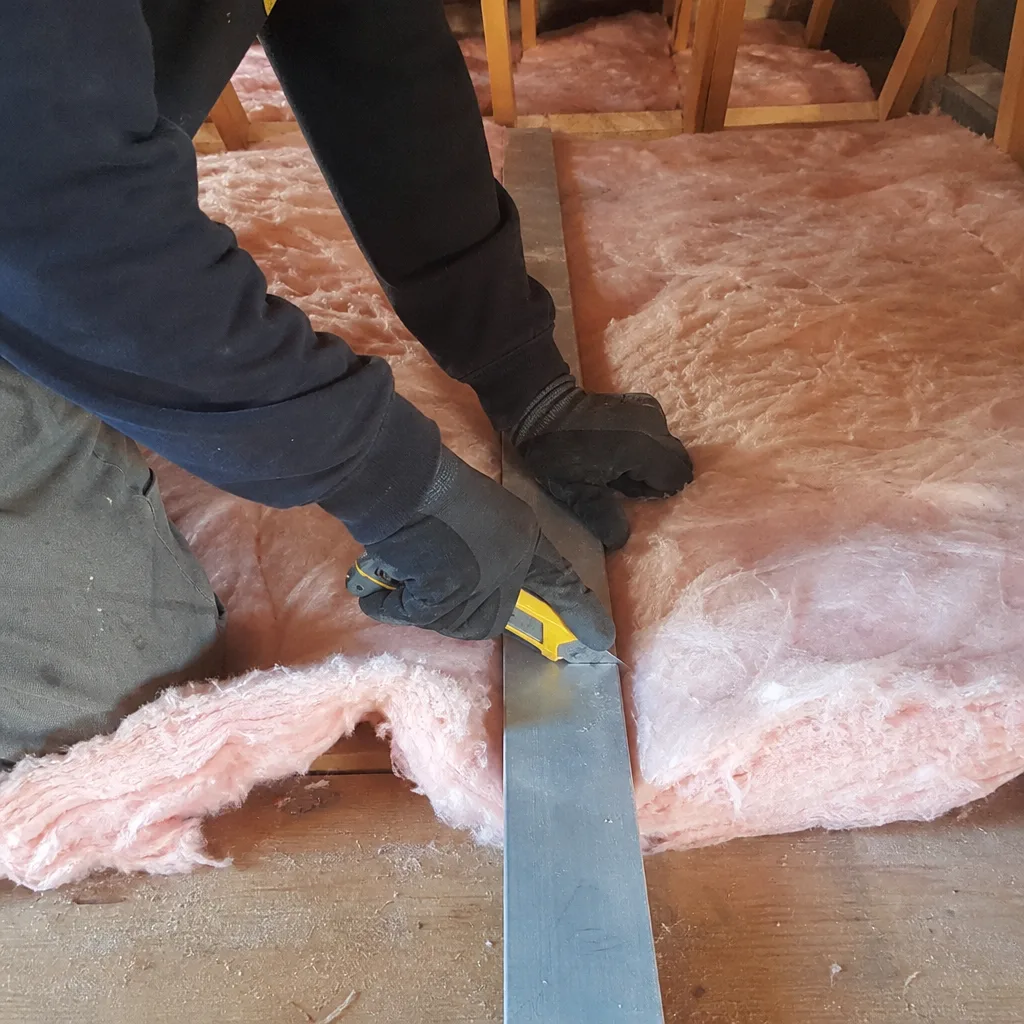
- Compressed or displaced original insulation. We regularly find attics in San Marino where a past re-roof knocked batts around, compressed them underfoot, or left bare spots entirely. The result is thermal bridging under those clay tiles and rooms that never cool off in summer.
- Radiant heat gain through unsealed penetrations. Can lights, wiring chases, and plumbing vents in heavily windowed upper floors let hot attic air pour into living spaces. Air sealing with spray foam around those penetrations is often the single biggest improvement we can make.
- Failed or missing vapor barriers in plaster homes. Original plaster walls don’t always have the vapor control we’d expect by modern standards. Moisture migrates up into the attic, and over time it shows up as mold, rusted nails, or softened decking.
- Uneven shade and debris from mature oaks and deodars. San Marino’s estate landscaping is beautiful, but it drops debris and shades roofs unevenly. That means some attic sections run hotter than others, and old insulation under the heavily shaded areas can stay damp longer after rain.
Pricing for Attic Insulation in San Marino, CA
For a typical San Marino attic between 1,200 and 2,000 square feet, you’re looking at roughly $2,200 to $4,800 for a full insulation replacement using blown-in fiberglass. If the job includes air sealing with spray foam, add $600 to $1,400. Attic cleaning runs $800 to $1,600, and mold remediation runs $1,200 to $3,200 depending on severity. Homes with original clay tile roofs sometimes carry an access premium because we use roof jacks and walk pads to protect the tile, which takes extra time. Bigger custom estates with complex roof lines will exceed these ranges. Every San Marino job starts with a free assessment, and you’ll get a written quote before any work begins. Call (855) 382-3451 to schedule yours.
We Also Serve Cities Near San Marino
While this page focuses on Attic Insulation in San Marino, our crews also cover San Gabriel, East San Gabriel, Alhambra, and East Pasadena. If you’re in one of those neighboring cities and dealing with the same older housing stock and hot attic problems, give us a call at (855) 382-3451 and we’ll get it sorted.
Serving San Marino, CA — Our Local Coverage Area
We’re based in the San Marino area and know this community well. Use the map below to see our service coverage — if you’re nearby, we can almost certainly help.
FAQs About Attic Insulation in San Marino
We use roof jacks and walk pads to distribute weight and never walk directly on the tiles themselves. On a 1925 Spanish Colonial Revival in the Oak Knoll neighborhood, we found original attic insulation that had been compressed and disturbed during a past re-roof, leaving gaps and reducing R-value. We used Owens Corning blown-in fiberglass to restore coverage to R-49, air-sealed around can lights and top plates with Icynene spray foam, and replaced damaged batts with Rockwool where access was tight. The homeowner noted cooler upstairs rooms immediately, and we protected the fragile clay tiles throughout. Call (855) 382-3451 and we’ll assess your roof before we ever set foot on it.
Yes, and we’ve done it many times. The key is staging the removal from inside the attic whenever possible and only accessing the roof when we have no other route. If we do need to go over the top, we use roof jacks and walk pads. The old insulation comes out in bags, and the new material goes in through the attic access or a temporary opening we cut in the decking, never through the tile itself.
Look for dark staining or discoloration on the underside of the roof sheathing, a musty odor that gets stronger near the ceiling, peeling paint or plaster cracks near the top plates, and rusted nail heads showing through the decking. In a plaster-walled home, moisture moves through the plaster slowly, so by the time you notice the smell, the mold has usually been growing for months. The fix involves removing the affected insulation, treating the wood, and correcting the ventilation and air sealing so the moisture stops accumulating. Call (855) 382-3451 for an assessment.
Because the original construction predates modern air sealing entirely. Those homes were built with the idea that attics should breathe, but they also have dozens of small openings around can lights, wiring chases, and top plates that let hot attic air pour into the living space. In a heavily windowed Spanish Colonial with upper-floor bedrooms, that’s the difference between a comfortable room and one that’s ten degrees hotter than the rest of the house. Air sealing closes those gaps before we add new insulation, and we use Icynene spray foam for the job because it expands and fills irregular spaces.
Yes. Original 1920s insulation is often thin, compressed, and contaminated with decades of dust, debris, and sometimes pest activity. We remove it all, clean the decking, and then install new insulation to current R-value standards. The cleaning process also gives us a clear look at the framing and wiring, which is useful in a house this old. Call (855) 382-3451 and we’ll schedule a free estimate to walk you through what we’d do in your attic.
Written by Ruben Castellano, Owner at Thermal Insulation Co, serving San Marino since opening our doors to this market.