
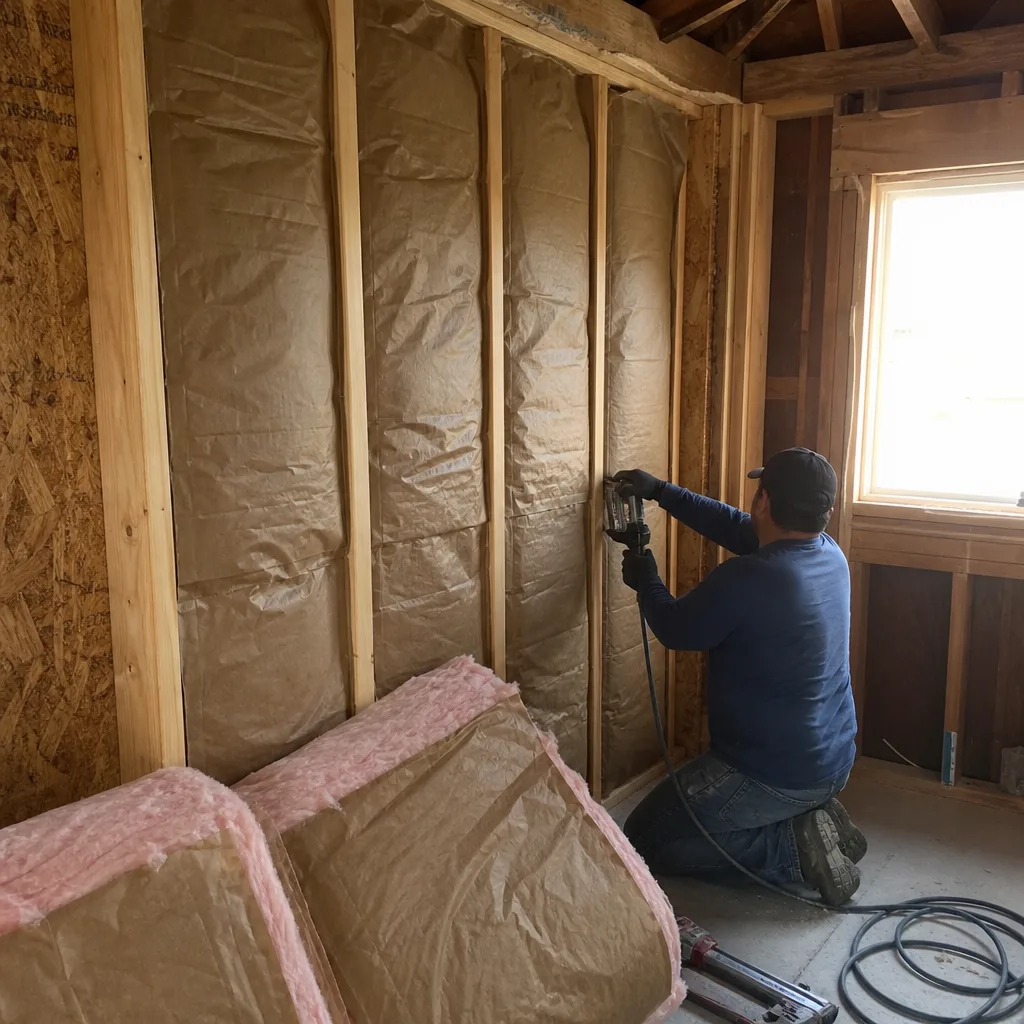
Insulation Company in Rancho Cucamonga, CA
Blown in insulation is the most common upgrade we perform in Rancho Cucamonga, and for good reason: most homes here were built between the 1980s and early 2000s with builder-grade fiberglass batts that have settled, compressed, or simply never met today’s R-value standards. The summer heat radiating through under-insulated attics pushes air conditioners hard from June through September, and the Santa Ana winds that rake down the Cucamonga foothills each fall exploit every gap and seam in those older attic assemblies. Thermal Insulation Co has served Rancho Cucamonga since 2012, matching the right material and method to each home rather than assuming one product fits every tract. Call (855) 382-3451 when you’re ready to talk through what your attic actually needs.
Why Rancho Cucamonga Homes Are Different
Rancho Cucamonga occupies a specific position at the base of the Cucamonga foothills, and that geography changes how insulation performs. The city’s hot, dry inland climate pushes summer highs routinely above 100°F, which means attic temperatures can climb 40 to 50 degrees hotter than the outside air. That intense solar load is the single biggest driver of cooling costs here, and it makes attic insulation performance, not just presence, the deciding factor in whether an air conditioner can keep up.
The housing stock compounds the issue. Most of Rancho Cucamonga is master-planned tract housing from the 1980s through the 2000s, concentrated in the 91730, 91737, and 91739 build-out years. Those homes were built to the energy codes of their era, and many still have the original fiberglass batts in their attics, now flattened and dusty and performing well below their labeled R-value. Older ranch-era homes near the 91701 corridors often have even less insulation, sometimes just a few inches of loose material spread thin over large ceiling cavities.
Then there’s the wind. The fall Santa Ana events don’t just make the air dry and gusty; they push debris and airborne embers through soffit and gable vents, especially in the north-end foothill tracts off the 210 corridor. Insulation in Rancho Cucamonga has to be wind-rated and properly sealed at the perimeter, not just thick in the middle. A batt that’s been peeled loose by a Santa Ana gust stops doing its job at the exact moment the attic needs to hold conditioned air inside. That combination of heat, older building practices, and wind exposure is what separates insulation work here from flat, still-air Inland Empire towns like Chino or Ontario.
Our Main Rancho Cucamonga Services
Two insulation methods account for most of the calls we receive from Rancho Cucamonga homeowners: attic insulation and spray foam. Each has a dedicated page covering the specifics for this city.
Attic Insulation in Rancho Cucamonga
Attic insulation is where most Rancho Cucamonga homes lose the most conditioned air, and it’s the first place we look when a homeowner tells us their upstairs rooms won’t hold temperature in August. The work involves removing or supplementing what’s already up there, air-sealing the ceiling plane, and installing the right R-value for a foothill climate that sees both triple-digit summers and cold winter nights below 40°F. Older tract homes in the 91737 and 91739 areas often have attic access through a hallway ceiling hatch, and that hatch itself is frequently uninsulated, which makes it a thermal hole we address during the job. Read the full breakdown at Attic Insulation in Rancho Cucamonga.
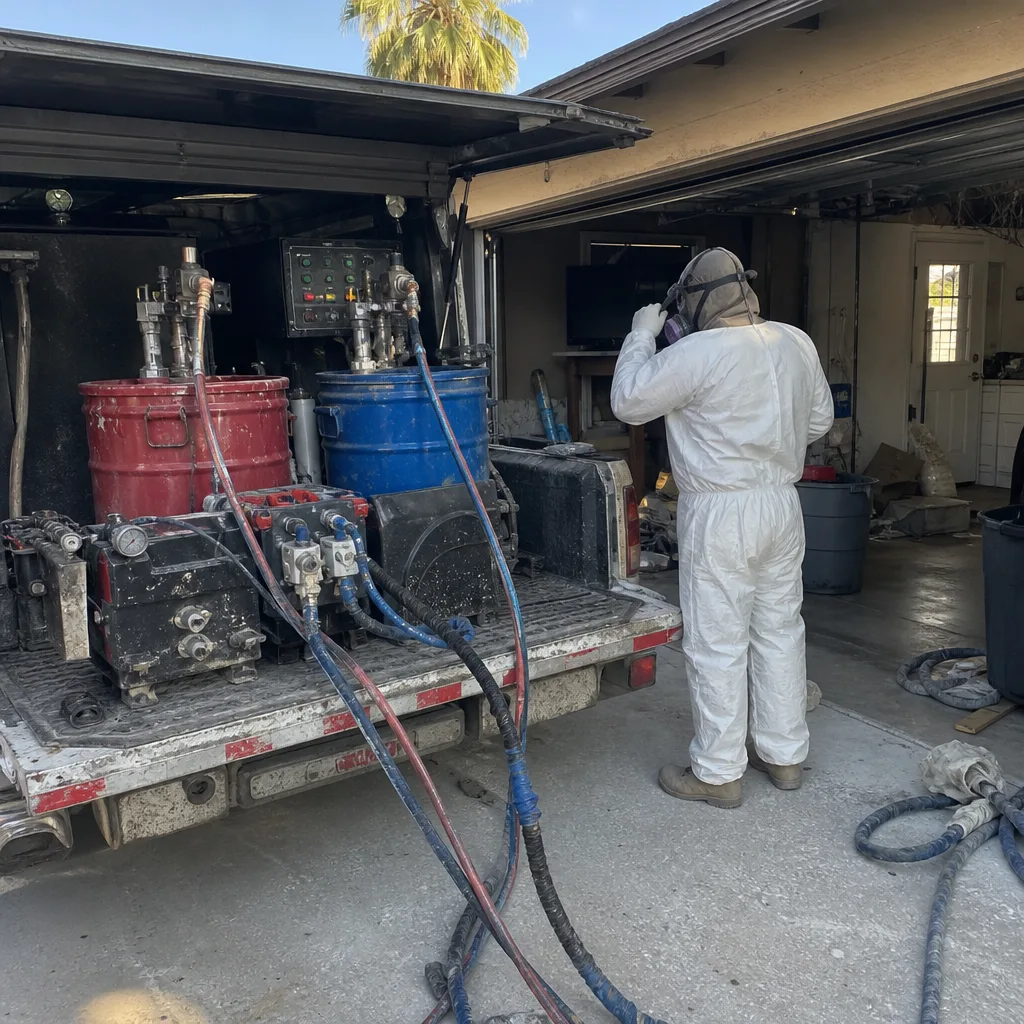
Spray Foam Insulation in Rancho Cucamonga
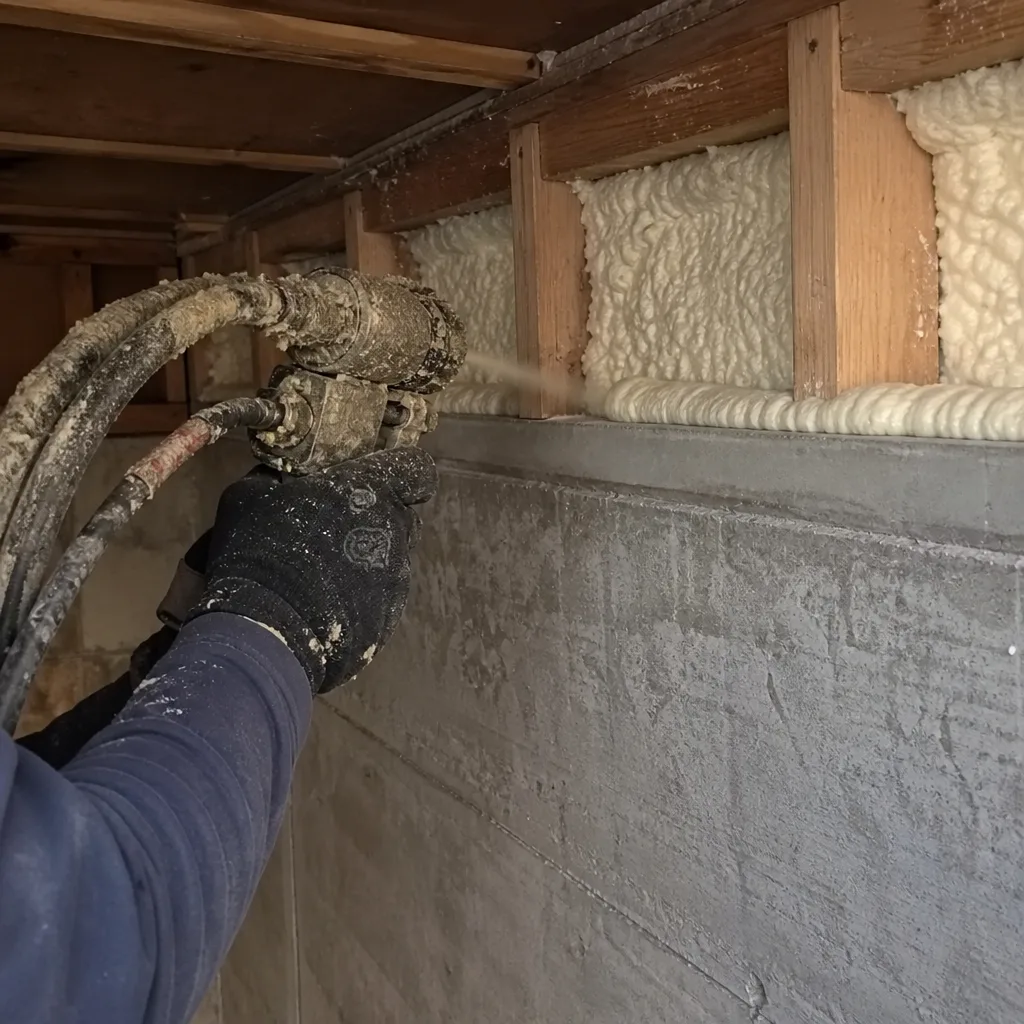
Spray foam earns its place in Rancho Cucamonga when a home needs air sealing and insulation in one step, particularly in cathedral ceilings, bonus rooms over garages, or attics that will house HVAC equipment. Closed-cell foam also adds structural rigidity and resists the wind-driven moisture that Santa Ana events can push into vented assemblies. We install both open-cell and closed-cell systems from Icynene and Demilec, and we’ll tell you directly which one actually makes sense for your roof geometry and budget rather than defaulting to the more expensive option. See the full method comparison at Spray Foam Insulation in Rancho Cucamonga.
What happens when you call
- 1
A real person answersNo phone trees — you reach a local pro.
- 2
You get an upfront price rangeHonest numbers before anyone is dispatched.
- 3
A background-checked tech heads outLicensed & insured, dispatched right away.
- 4
You approve before work beginsNothing starts until you say go.
Blown In Insulation in Rancho Cucamonga
Blown in insulation is the most direct fix for a Rancho Cucamonga attic that still has its original builder-grade batts, and it’s the method we recommend most often for homes built during the 91730, 91737, and 91739 tract build-out years. Blown-in material fills irregular cavities cleanly, covers the ceiling joists completely to prevent thermal bridging, and reaches a uniform depth that batts rarely achieve after a decade or two of settling. We carry and install both cellulose and fiberglass loose-fill products, which means the material choice is driven by your home’s conditions rather than what we happen to stock. For homeowners considering this upgrade, the Blown In Insulation method is built on a simple principle: fill the entire ceiling plane to the target R-value and seal the perimeter so Santa Ana winds can’t undo the work.
Cellulose Insulation
Signs you need it
Your attic shows bare or settled patches, your upstairs rooms run five to ten degrees warmer than the rest of the house in summer, and you can see the tops of the ceiling joists.
What it costs in Rancho Cucamonga
Loose-fill blown-in insulation for a typical Rancho Cucamonga attic typically runs $1.50 to $3.50 per square foot, with most full-attic cellulose jobs landing between $1,200 and $3,500 depending on the target R-value and attic access.
How we do it
We air-seal the ceiling penetrations first, then blow recycled cellulose to a uniform depth across the entire attic floor, raking it level and keeping it clear of the eave vents.
Blown In Attic Insulation
Signs you need it
Your existing attic insulation measures less than R-30, your energy bills climb every summer, and you can feel heat radiating through the ceiling on hot afternoons.
What it costs in Rancho Cucamonga
Blown-in attic insulation in Rancho Cucamonga is priced at $1.00 to $2.50 per square foot, putting most single-story tract homes in the $1,500 to $4,000 range before any removal of old material.
How we do it
We remove or assess the existing material, seal the top plates and penetrations, then blow loose-fill insulation across the full attic floor to the R-value specified for your home’s ceiling assembly.
What Blown In Insulation Costs in Rancho Cucamonga
| Item | Typical range in Rancho Cucamonga |
|---|---|
| Blown-in fiberglass (attic floor, R-30 to R-38) | $1.00 – $2.50 per sq ft |
| Blown-in cellulose (attic floor, R-38 to R-49) | $1.50 – $3.50 per sq ft |
| Full attic blow-in including air sealing | $1,200 – $3,500 typical home |
Is blown in insulation worth it in Rancho Cucamonga’s climate?
Yes, particularly for homes with original 1980s and 1990s batts. A full attic blow-in to R-38 or higher reduces the summer heat load that drives Rancho Cucamonga cooling bills. Call (855) 382-3451 for an honest read on whether your attic qualifies.
Can you blow insulation over existing fiberglass batts?
In many cases yes, as long as the old batts are dry and not rodent-damaged. We assess the existing material first, then blow loose-fill over it to reach the target R-value. Call (855) 382-3451 and we’ll tell you what your attic actually needs.
Brands We Service in Rancho Cucamonga
We’re authorized to install products from Owens Corning, Johns Manville, Knauf, and Rockwool, and we carry a working stock of each brand’s most common batt and loose-fill materials for Rancho Cucamonga job sites. Because we stock competing brands across the same categories, the recommendation you get is driven by your home’s R-value targets, moisture conditions, and space constraints rather than brand loyalty. Parts and materials arrive at most Rancho Cucamonga job sites within one to two business days. See the full material range on our brands page.
Pricing for Insulation Company in Rancho Cucamonga, CA
| Service | Typical range in Rancho Cucamonga |
|---|---|
| Blown-in fiberglass (attic floor) | $1.00 – $2.50 per sq ft |
| Blown-in cellulose (attic floor) | $1.50 – $3.50 per sq ft |
| Full attic blow-in including air sealing | $1,200 – $3,500 typical home |
| Attic air sealing | $400 – $1,200 per attic |
| Batt insulation (walls or attic, fiberglass) | $1.00 – $3.00 per sq ft installed |
| Batt insulation (mineral wool) | $1.50 – $4.00 per sq ft installed |
| Open-cell spray foam | $0.50 – $1.50 per board foot |
| Closed-cell spray foam | $1.00 – $3.00 per board foot |
Three things push Rancho Cucamonga quotes higher than flatland Inland Empire towns: attic access through tight hallway hatches, the need for extra air sealing along windward eave lines, and older homes in the 91701 corridors where original framing makes even coverage harder. Every quote we give is a fixed, upfront price; no allowances, no surprise line items after the work starts.
Neighborhoods We Serve in Rancho Cucamonga
We work throughout Rancho Cucamonga, from the 91737 and 91739 foothill tracts off the 210 to the older 91701 corridors near the central city and the 91729 areas south of the 10. Our crews know which developments were built in which years, and that matters when we’re quoting; a 2004 tract home and a 1978 ranch house need very different approaches even when they sit two blocks apart.
- Alta Loma
- Etiwanda
- Terra Vista
- Victoria
- Central Rancho (91701 corridors)
Most Rancho Cucamonga homes can be scheduled within three to five business days of a site visit, and emergency same-week slots are usually available during peak cooling season.
Service Area – Cities Near Rancho Cucamonga
Thermal Insulation Co also covers the foothill and valley communities around Rancho Cucamonga. We regularly work in San Antonio Heights, CA where homes sit directly against the Cucamonga foothills and face the strongest Santa Ana exposure. Upland, CA shares much of the same 1980s and 1990s housing stock as Rancho Cucamonga. Ontario, CA has older ranch-era inventory that often predates modern insulation codes, and Fontana, CA rounds out our coverage across the 10 and 210 corridors.
Serving Rancho Cucamonga, CA — Our Local Coverage Area
We’re based in the Rancho Cucamonga area and know this community well. Use the map below to see our service coverage — if you’re nearby, we can almost certainly help.
FAQs About Insulation Company in Rancho Cucamonga
Most homeowners schedule a site visit within three to five business days, and during summer peak season we add extra Rancho Cucamonga appointment blocks each week. Emergency and same-week slots are often available if you call directly at (855) 382-3451.
Attic and interior insulation work almost never triggers HOA review; what matters is the building code for your ceiling assembly and any local utility rebate requirements. If your HOA does have specific rules about rooftop or vent modifications, we’ll flag that before the job starts.
Yes. The ranch-era homes in central Rancho Cucamonga often have minimal original insulation, and the fix usually combines air sealing with a full attic blow-in rather than a patch job. We’ll assess what’s there and recommend the method that makes sense for the structure.
Call (855) 382-3451 for a free estimate on any insulation work in Rancho Cucamonga. We’ll walk the attic with you, explain what’s actually there, and give you a fixed price before any material is ordered.
What happens when you call
- 1A real person answersNo phone trees — talk to a local insulation pro.
- 2You get an upfront price rangeHonest numbers before anyone is dispatched. No surprises.
- 3A background-checked tech heads outLicensed & insured, typically same-day.
- 4You approve before work beginsNothing starts until you say go.
What Rancho Cucamonga Customers Say
"Work is good and the house is noticeably more comfortable. There was insulation debris left in the hall closet under the attic access that I had to clean up."
— Maya Singh"Attic was at maybe R-11 from the 1970s and blown in over the top would have just buried the problem. They removed the old material, air sealed the top plates and penetrations first, then blew in to R-49. The upstairs is a completely different house in August."
— Christine Park"Handled the utility rebate paperwork, which knocked a real amount off the final cost."
— Chris Kowalski