
Insulation Company in Corona, CA
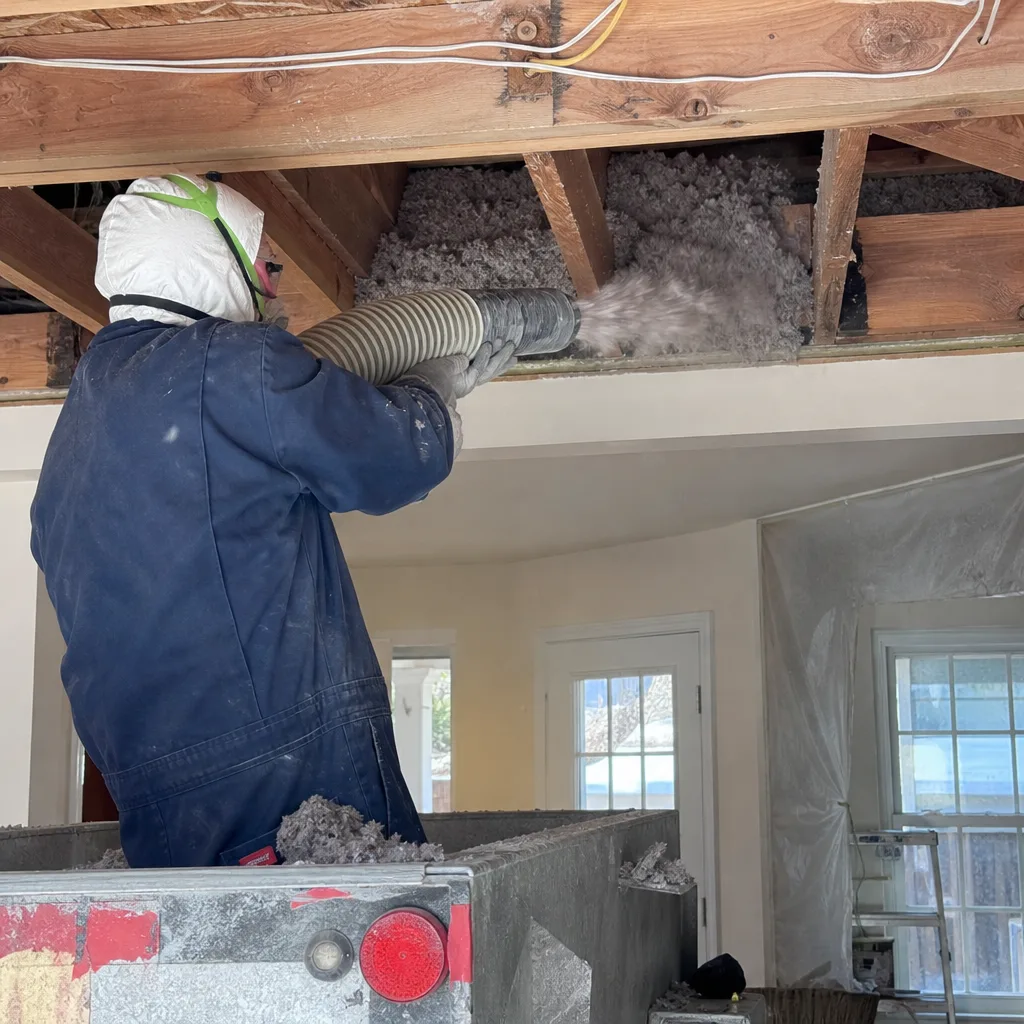
Blown in insulation is the most common upgrade we handle in Corona, and for good reason. Most homes here were built between the 1980s and 2000s with fiberglass batts that have settled, shifted, or were never installed to the depth needed for Corona’s summers that routinely cross 100°F. We’re Thermal Insulation Co, and we’ve served Corona since 2012, matching the right material and method to each home rather than quoting one product and calling it done. Call us at (855) 382-3451 when you’re ready to talk about what’s happening in your attic.
Why Corona Homes Are Different
Corona sits at the junction of three climate zones: the hot, dry inland valley, the windy Cajon Pass corridor, and the cooler foothills. That’s not a marketing line; it’s a physical reality that changes what insulation does inside a house. A tract home in the valley floor bakes under attic temperatures that can exceed 140°F in July, while the same style home in the south hills gets wind-driven dust and cool-air infiltration through attic vents. The insulation spec that works for one often fails for the other.
Much of the housing stock here is wood-frame construction with fiberglass batts in attics and walls. Older single-story ranch homes near the downtown circle often have settled or missing insulation in hard-to-reach spaces, and many have original insulation from the 1970s that has essentially stopped doing its job. Newer two-story developments in the east hills came with builder-grade batts that meet minimum code but leave rooms noticeably warmer on the second floor. Santa Ana winds push dry, dusty air into every gap in the building envelope, and homes near the Cajon Pass corridor get it worst. We account for all of this when we recommend a method.
Our Main Corona Services
Most Corona homeowners call us about two things: what’s going on in the attic, and whether spray foam makes sense for their situation. Here’s how each plays out locally.
Attic Insulation in Corona
Attic insulation is where most Corona homes lose the most energy, and it’s usually the first place we look. In a typical 1990s tract home, the existing batts have compressed to R-19 or less at the eaves, and the attic access hatch is rarely sealed. We inspect the full attic, identify gaps and settled areas, and build the system back to the R-value the home actually needs for its specific location in Corona. Attic Insulation in Corona covers the full scope of that work.
Spray Foam Insulation in Corona
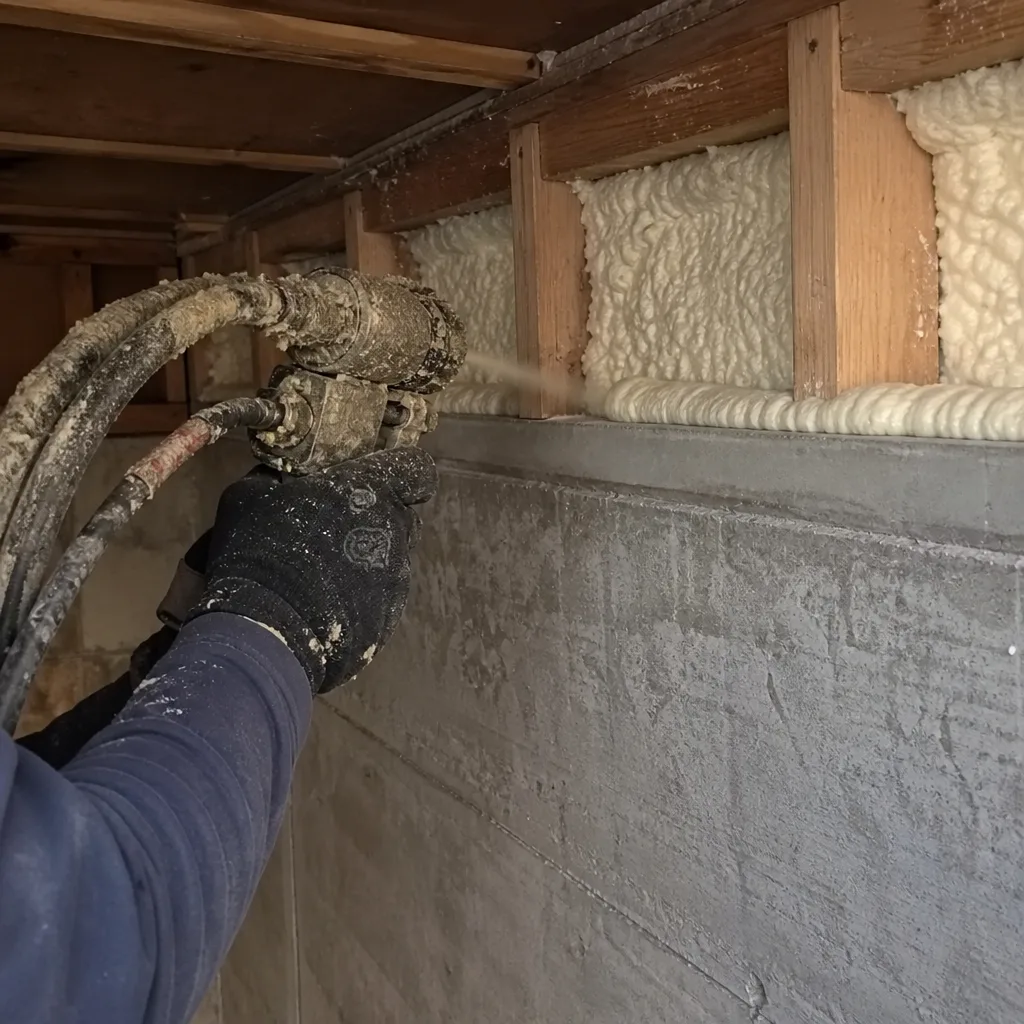
Spray foam works differently, and in Corona it’s often the right call for homes with unvented attics, ductwork running through unconditioned space, or rooms that never hold temperature. We install open-cell and closed-cell systems using Icynene and Demilec, and we’ll tell you when foam is overkill and a dense-pack cellulose job makes more sense. Spray Foam Insulation in Corona explains the differences and what we recommend for specific problems.
What happens when you call
- 1
A real person answersNo phone trees — you reach a local pro.
- 2
You get an upfront price rangeHonest numbers before anyone is dispatched.
- 3
A background-checked tech heads outLicensed & insured, dispatched right away.
- 4
You approve before work beginsNothing starts until you say go.
Blown In Insulation in Corona
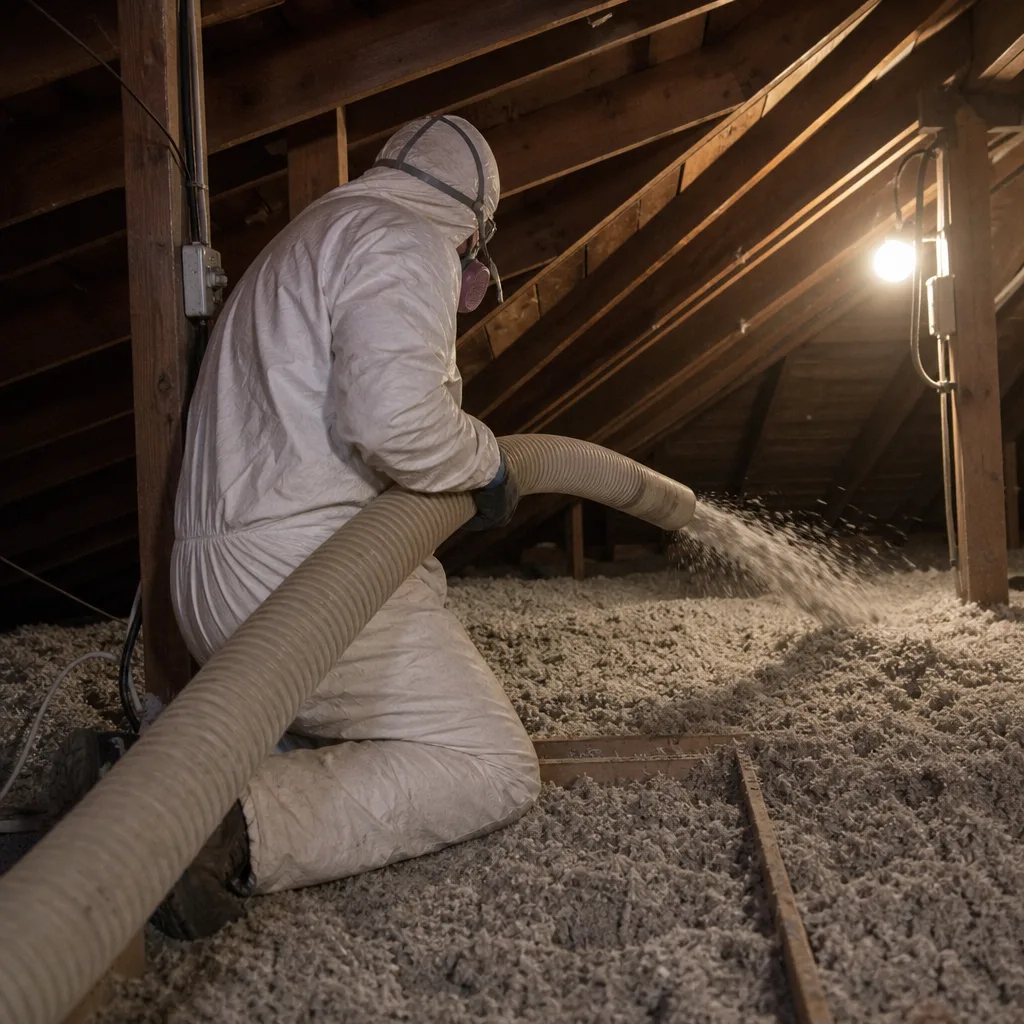
Blown in insulation solves a problem we see constantly in Corona: existing batt insulation that has settled, shifted, or was never thick enough to handle attic temperatures that hit 140°F in summer. We blow loose-fill material over the entire attic floor to a consistent depth, filling the gaps and voids where heat moves through. It’s the fastest way to bring an under-insulated Corona attic up to a proper R-value without tearing anything out. For a deeper look at how the method works, see Blown In Insulation.
Cellulose Insulation
Signs you need it
You can see the tops of your ceiling joists in the attic, your second floor stays hot in summer, and your energy bill climbs every July and August.
What it costs in Corona
Blown-in cellulose in Corona typically runs $1,800 to $4,000 depending on attic size and target depth.
How we do it
We air-seal the attic floor, install baffles at the eaves to preserve ventilation, and blow GreenFiber cellulose to an even depth that hits your R-value target.
Blown In Attic Insulation
Signs you need it
Rooms just below the attic are uncomfortable, ceiling fixtures feel warm, and your AC runs longer than it should on a normal Corona afternoon.
What it costs in Corona
Attic-only blown-in jobs in Corona generally fall between $1,500 and $3,600 depending on square footage and existing depth.
How we do it
We remove or level old material where needed, seal penetrations and top plates, then blow insulation to a uniform depth across the full attic.
Blown In Fiberglass Insulation
Signs you need it
Your attic has thin or patchy existing insulation, and you want a material that settles less than cellulose in a windy attic near the Cajon Pass.
What it costs in Corona
Blown-in fiberglass in Corona typically ranges from $1,600 to $3,900 based on depth and attic accessibility.
How we do it
We run the blower hose into the attic, distribute the fiberglass in even passes, and verify depth with marked measuring rulers placed before we start.
Loose Fill Insulation
Signs you need it
Your attic has awkward angles, low clearance, or hard-to-reach corners where batts won’t fit and gaps are letting heat through.
What it costs in Corona
Loose fill jobs in Corona run $1,400 to $3,500, with the lower end for topping off an existing layer and the higher end for a full bare-attic install.
How we do it
We use a two-person team, one running the blower and one directing the hose, to fill every corner and cavity to the specified depth without compressing the material.
What Blown In Insulation Costs in Corona
| Item | Typical range in Corona |
|---|---|
| Blown-in cellulose, full attic | $1,800 – $4,000 |
| Blown-in fiberglass, full attic | $1,600 – $3,900 |
| Loose fill top-off over existing insulation | $1,400 – $2,200 |
Two things push the price up in Corona: attic accessibility and how much air sealing is needed before we blow. Older homes near the downtown circle often have narrow attic hatches and uneven framing, which slows the job. Every estimate is upfront, fixed, and free.
How long does blown in insulation last in Corona?
Blown-in fiberglass and cellulose both hold their depth for 20 to 30 years if the attic stays dry and properly vented. Santa Ana dust can infiltrate over time, but that affects air sealing more than the insulation itself. Call (855) 382-3451 and we’ll assess what’s in your attic now.
Is blown in insulation enough for Corona summers?
Yes, when installed to the right depth. We size blown-in jobs to at least R-38 in most Corona attics, and R-49 where the attic gets full western exposure all afternoon. Call us at (855) 382-3451 for a free attic assessment.
Brands We Service in Corona
We carry Owens Corning, Johns Manville, and Knauf fiberglass because each performs differently in a blow-in application, and Rockwool for fire-resistance cases near the foothills. We stock batts, blown-in fiberglass, and cellulose locally for Corona jobs, so most projects start within days of your approval. See our brands for the full lineup.
Pricing for Insulation Company in Corona, CA
| Service | Typical range in Corona |
|---|---|
| Blown-in cellulose, full attic | $1,800 – $4,000 |
| Blown-in fiberglass, full attic | $1,600 – $3,900 |
| Loose fill top-off over existing insulation | $1,400 – $2,200 |
What pushes a Corona job toward the top of these ranges is usually attic size, how much old material has to come out first, and how much air sealing the space needs before new insulation goes in. Every quote is itemized, fixed, and given before we start, so there’s no surprise at the end.
Neighborhoods We Serve in Corona
We work across all of Corona, including the historic districts around the downtown circle, the tract homes along the 91 corridor, and the newer developments in the south and east hills. Our crews know the housing stock in each area and what it typically needs.
- Downtown Corona and the historic circle
- South Corona and the newer subdivisions
- Eastvale-adjacent neighborhoods near the 15
- Foothill communities near the Cleveland National Forest boundary
- The ranch-home neighborhoods west of the 91
Most Corona jobs can be scheduled within a week of your estimate, and we often have crews in the area several days a week.
Service Area – Cities Near Corona
We also serve homeowners in the surrounding communities. If you’re in Home Gardens, CA just to the northwest, El Cerrito Corona, CA to the south, Eastvale, CA across the 15, or Norco, CA to the north, we bring the same materials and the same honest assessment to your house.
Serving Corona, CA — Our Local Coverage Area
We’re based in the Corona area and know this community well. Use the map below to see our service coverage — if you’re nearby, we can almost certainly help.
FAQs About Insulation Company in Corona
Most Corona inspections happen within a few business days of your call. Attic insulation and blown-in jobs can often be scheduled within the following week, and we’ll give you a firm date at the estimate. Call (855) 382-3451 to get on the schedule.
In most cases, adding insulation to an existing attic doesn’t require a permit in Corona, but significant structural changes or HVAC work might. We’ll tell you during the estimate if anything about your project triggers a permit requirement.
We cover all four Corona ZIP codes: 92877, 92878, 92879, and 92880. That includes the downtown neighborhoods, the hillside communities, and everything in between. If you’re not sure whether we cover your address, call (855) 382-3451 and ask.
Call Thermal Insulation Co at (855) 382-3451 for a free estimate on blown in insulation, attic insulation, or spray foam in Corona. We’ll tell you what your home actually needs, and we’ll explain why before you spend a dollar.
What happens when you call
- 1A real person answersNo phone trees — talk to a local insulation pro.
- 2You get an upfront price rangeHonest numbers before anyone is dispatched. No surprises.
- 3A background-checked tech heads outLicensed & insured, typically same-day.
- 4You approve before work beginsNothing starts until you say go.
What Corona Customers Say
"Plastic laid from the front door to the attic hatch and they vacuumed the hallway afterward."
— Gabriela Rodriguez"Work is good and the house is noticeably more comfortable. There was insulation debris left in the hall closet under the attic access that I had to clean up."
— Maya Singh"Attic was at maybe R-11 from the 1970s and blown in over the top would have just buried the problem. They removed the old material, air sealed the top plates and penetrations first, then blew in to R-49. The upstairs is a completely different house in August."
— Christine Park