
Fast, Reliable Attic Insulation Across Walnut Park
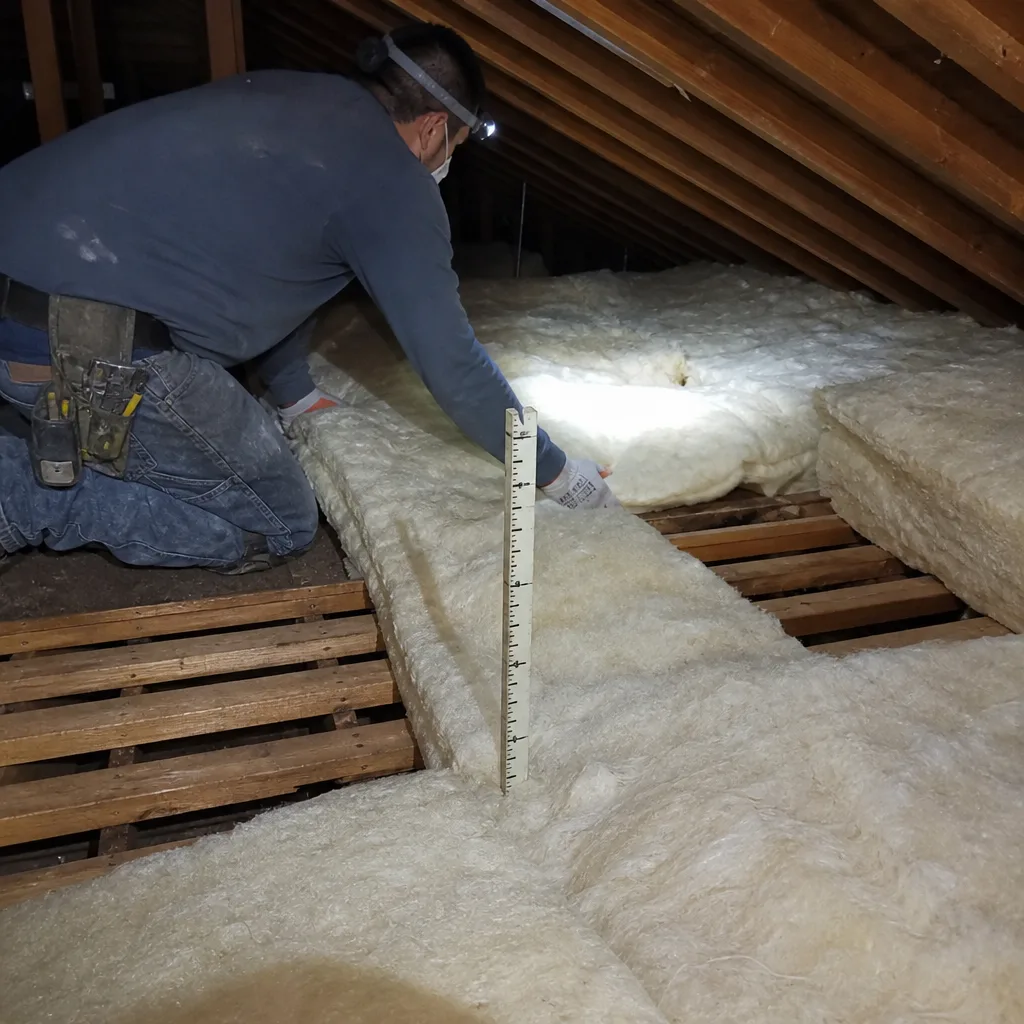
Attic insulation in Walnut Park usually means a retrofit, not a new build. The homes here were mostly put up between the 1920s and 1960s, and a lot of them still have the original attic: empty joist bays or a thin layer of batt that quit doing its job decades ago. We work in 90255 regularly and know what these houses ask for. Radiant barrier plus loose-fill, not cold-weather batting, is what actually cuts AC cost through a Walnut Park summer. If your upstairs rooms bake in August and your air conditioner never shuts off, call us at (855) 382-3451. We’ll tell you what’s in your attic now and what it needs, in plain terms.
Why Thermal Insulation Co Is Walnut Park’s Preferred Attic Insulation Company
We are a dedicated insulation contractor. That’s the whole trade. Not a roofer who also blows in fiberglass, not a generalist who carries one brand. Because we focus on attic insulation, blown-in, and spray foam, we can match the method to the house rather than forcing one product into every job. For Walnut Park specifically, that matters because the housing stock is older, the lots are narrow, and the attics tend to hide surprises.
Ruben Castellano, our owner, has built the company around the idea that a homeowner deserves to know why a material is being recommended. Fiberglass batt, blown-in cellulose, open-cell foam, closed-cell foam, mineral wool – each does something different in a mid-century stucco bungalow or a small duplex off Seville Avenue. We stock products from eight manufacturers, including Owens Corning, Rockwool, and GreenFiber, so the recommendation comes from what your attic needs, not what we happen to have on the truck. That range is uncommon in Southeast LA.
We’ve worked enough attics in Walnut Park to know the local building patterns. Small access scuttles in bedroom closets instead of hallway hatches. Original framing that hasn’t been touched since construction. And we plan for it. One trip, the right materials, and an honest read on whether old insulation should come out before new goes in.
Attic Mold Removal in Walnut Park
Attic mold removal in Walnut Park is a job we handle for homes where poor ventilation and the LA Basin’s warm, damp mornings have let moisture sit against the roof deck or the insulation itself. Mold in an attic here usually starts as a condensation problem: a bathroom fan venting into the attic, soffit vents blocked by decades of paint, or an old roof with no ridge vent. The mold grows into the insulation and the framing, and it won’t dry out on its own.
We remove the affected insulation, treat the surfaces, and correct the ventilation so the moisture doesn’t come back. In Walnut Park attics with limited clearance and closet scuttles, removal is careful work – we bag the material and pull it out without dragging contaminants through the living space.
Ventilation Correction
Removing mold without fixing airflow just sets up the next outbreak. We check soffit and ridge venting, add baffles where needed, and make sure bathroom and kitchen exhausts terminate outside the attic. In older Walnut Park homes, this often means cutting new vent openings and reworking original framing.
Moisture Source Identification
Before treating any surface, we find where the moisture is coming from. A leaky roof, a disconnected duct, or daily temperature swings condensing on the underside of the roof deck all produce different mold patterns. Fixing the wrong one wastes your money and leaves the mold alive.
Attic Insulation Removal in Walnut Park
Attic insulation removal in Walnut Park is the right move when the existing material is too far gone to top up: rodent damage, mold, water staining from an old roof leak, or original batts that have compressed to a fraction of their rated R-value. In homes built before 1970, the insulation often thinned out decades ago and no longer does much beyond holding dust and pests.
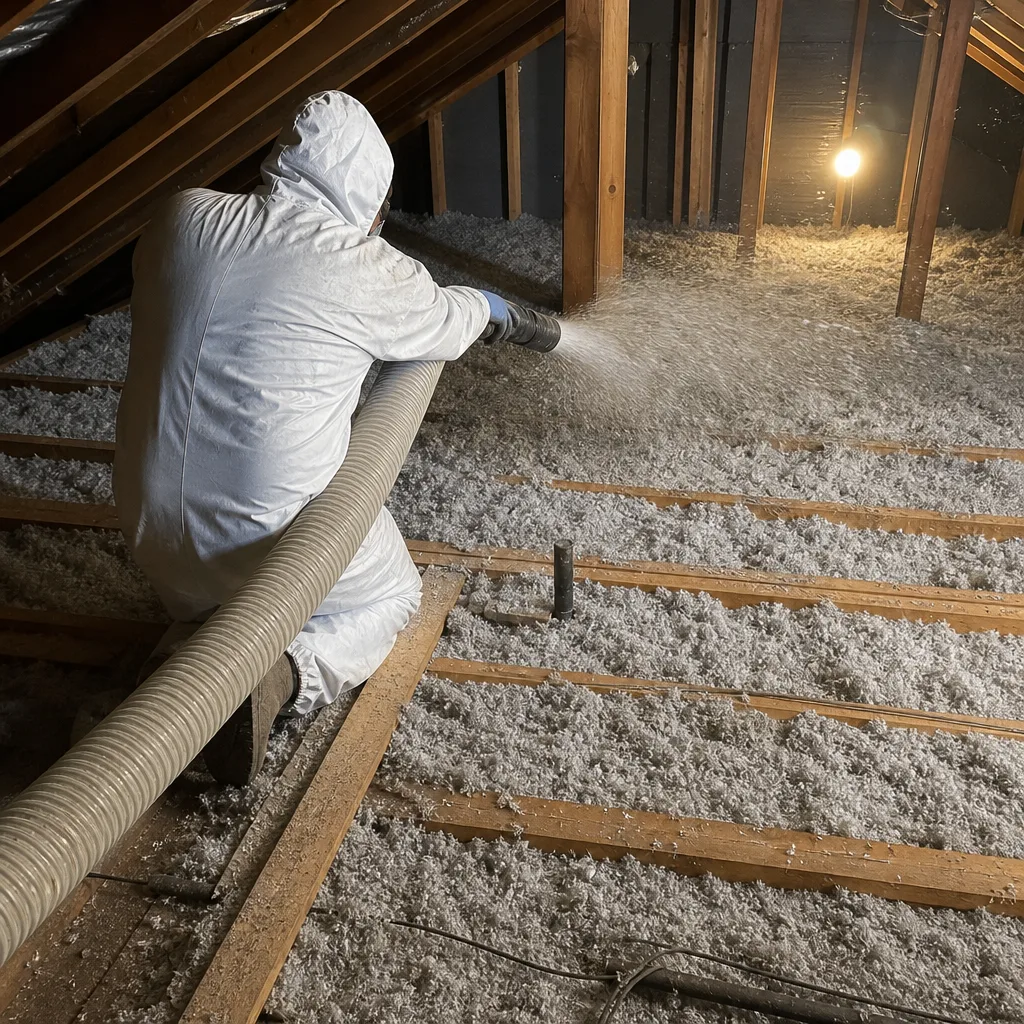
Removal in Walnut Park attics is a constrained-space job. Access is frequently a closet scuttle, so we work with vacuum systems and hand removal to pull the old material out cleanly without tearing up ceilings or walls. We’re careful around older wiring, which these homes often have.
A full removal and replacement for a typical 1,000-square-foot attic in Walnut Park runs roughly $1,800 to $3,400, depending on depth, contamination, and access difficulty. We’ll give you a fixed number after we see the attic. Estimates are free.
Closet Scuttle Access
Most out-of-area crews expect a hallway hatch they can lean a ladder into. Walnut Park’s bungalows and small duplexes often have the only attic opening in a bedroom closet, which changes how we stage equipment and how long the job takes. We plan for it from the first call and bring the right vacuum and containment setup for tight quarters.
Old Wiring Precautions
Knob-and-tube wiring is still present in a meaningful share of Walnut Park attics built before 1930. We inspect before any removal or blow-in. If the wiring is active and crossing joist cavities, the path has to be made safe first, which we coordinate with a licensed electrician. We don’t blow insulation over active knob-and-tube; it’s a fire risk and against code.
Trusted Brands We Service in Walnut Park
Because we stock multiple brands rather than a single line, our recommendations for Walnut Park homes are driven by the house, not by inventory. For loose-fill in an older attic with a scuttle access, we often suggest GreenFiber cellulose because it settles into odd joist cavities and carries a high recycled content. For homes needing a fire-resistance or moisture-resistance upgrade, Rockwool mineral wool outperforms standard fiberglass, and we carry it for exactly that reason. Owens Corning and Johns Manville fiberglass remain solid choices where the attic geometry is simple and the budget is tight. Having all of them on the roster means we don’t have to steer you into a product that’s wrong for your attic just because it’s what we stock.
Common Attic Insulation Problems We See in Walnut Park Homes
- Thin, crumbling original batts. Many Walnut Park attics still have the fiberglass that went in when the house was built, compressed to maybe R-8 or less. Topping them without addressing the radiant load from the roof deck leaves heat gain high through summer.
- Blocked or missing attic ventilation. Older stucco bungalows often have painted-over soffit vents or no ridge vent at all, which turns the attic into an oven. Installing baffles and opening proper air paths makes any insulation work better.
- Closet scuttle access. A small hatch inside a bedroom closet is standard in this housing stock, and it changes the whole job: how we move material, how we remove old insulation, and how long setup takes.
- Knob-and-tube wiring in the ceiling. Homes from the 1920s and 1930s in Walnut Park sometimes still have active knob-and-tube crossing the attic floor. It has to be cleared or decommissioned before blown-in insulation goes down.
Pricing for Attic Insulation in Walnut Park, CA
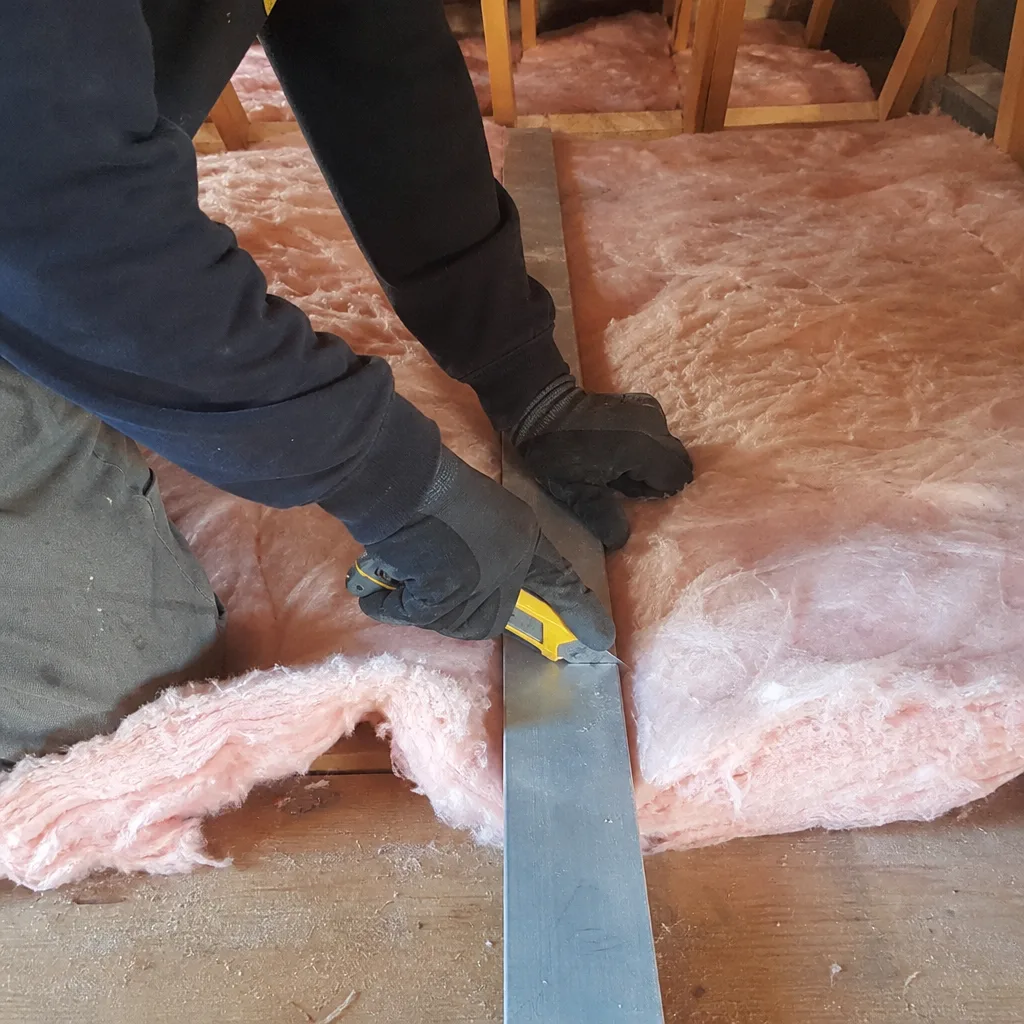
Because Walnut Park attics are almost always retrofits, pricing follows the existing conditions more than the square footage alone. Blown-in loose-fill over a bare attic in 90255 usually runs $1.50 to $3.00 per square foot for a typical job. Adding a radiant barrier before the loose-fill adds roughly $500 to $900 for a moderate-sized attic, and it’s almost always worth doing given how hot these roof decks get. Full removal of old insulation adds $1 to $2 per square foot, climbing when access is a tight closet scuttle or the old material is contaminated. Attic batt installation for small or unusually shaped attics runs $2.00 to $3.75 per square foot. A full top-up on an 1,100-square-foot attic typically lands between $2,200 and $4,000. Call (855) 382-3451 for a free, exact quote. We’ll walk the attic with you and give you a number, not a range dance.
We Also Serve Cities Near Walnut Park
Our crews work the whole Southeast LA corridor. In addition to Attic Insulation in Walnut Park, we serve Huntington Park, Bell, Cudahy, and Maywood, which share the same housing era and the same attic patterns: scuttle access, old framing, and summers that punish under-insulated houses. If you’re nearby, the same team and the same eight-brand material range apply. Call and we’ll schedule a look.
Serving Walnut Park, CA — Our Local Coverage Area
We’re based in the Walnut Park area and know this community well. Use the map below to see our service coverage — if you’re nearby, we can almost certainly help.
FAQs About Attic Insulation in Walnut Park
Because the dominant heat load here is solar, and it comes from the roof deck. Walnut Park’s summers run hot and dry, with frequent 90°F+ days, and the biggest energy win comes from reflecting radiant heat before it reaches the living space. Radiant barrier handles that reflection, and loose-fill covers the irregular joist bays and low-clearance cavities common in these older attics. Batting has a place, but it’s usually the wrong primary tool for a 1920s to 1960s Walnut Park attic. Call (855) 382-3451 if you want us to explain the difference on your specific roof.
Yes, and this is common enough in Walnut Park that we plan for it before arriving. A scuttle inside a bedroom closet means we stage equipment differently, use smaller material loads, and may run a vacuum line through the living space with containment already in place. We don’t treat it as a surprise. We’ve worked enough of these attics to keep the job moving without second trips.
We stop and assess. Active knob-and-tube running across joist cavities cannot be buried under cellulose or fiberglass, because the insulation traps heat and creates a fire hazard. If we find it, we coordinate with a licensed electrician to clear or decommission the wiring path before any blown-in material goes down. This is a known issue in older Walnut Park homes, and we check for it before committing to a scope, not halfway through the job.
Yes, because Walnut Park is an unincorporated area, permits and inspections run through LA County rather than a city building department. That affects how we document the job and what we can do without a permit. We’re familiar with the County’s expectations for insulation retrofits, and we’ll tell you before we start whether your specific job requires anything beyond the ordinary scope, including any plan for re-insulating after removing old material.
If the existing material is dry, uncontaminated, and reasonably intact, top-up is often fine. If it’s thin, moldy, water-stained, rodent-damaged, or compressed below useful R-value, removal is the better call. In Walnut Park attics with original batts from the 1940s or 1950s, removal plus new loose-fill and a radiant barrier usually delivers the biggest comfort change for the money. We’ll give you a straight recommendation after seeing the attic, not a default to the more expensive option.
Get an Honest Assessment of Your Walnut Park Attic
If your Walnut Park home’s upstairs rooms run hot through the summer, or your attic still has whatever insulation the original builder left, call (855) 382-3451. We’ll inspect the access, the framing, the wiring, and the existing material, then tell you what actually needs to happen: how much insulation should be there, whether radiant barrier makes sense, and what the job costs. Thermal Insulation Co serves Walnut Park and the surrounding Southeast LA cities with three installation methods and eight material brands, so the recommendation fits your house instead of fitting our inventory. Estimates are free, and the walkthrough is thorough.
Written by Ruben Castellano, Owner at Thermal Insulation Co, serving Walnut Park and Southeast LA.