
Fast, Reliable Attic Insulation Across Crestline
Attic insulation in Crestline, CA typically costs $1,800 to $4,200 for a full retrofit, depending on ceiling configuration and material choice. Most jobs are completed in one day. If you’re losing heat through your roof or seeing ice dams form along the eaves, call (855) 382-3451 and we’ll send a technician up the mountain within 48 hours.
We know Crestline’s building stock better than a flatland contractor ever could. The cabins and A-frames here weren’t built for year-round occupancy, and now that they are, the attics are usually the weakest thermal link. Our crew works from Lake Gregory up through the Valley of Enchantment and over toward Skyforest, so we can usually get to you the same week. Thermal Insulation Co is a dedicated insulation contractor – this is the only trade we do.
Why Thermal Insulation Co Is Crestline’s Preferred Attic Insulation Company
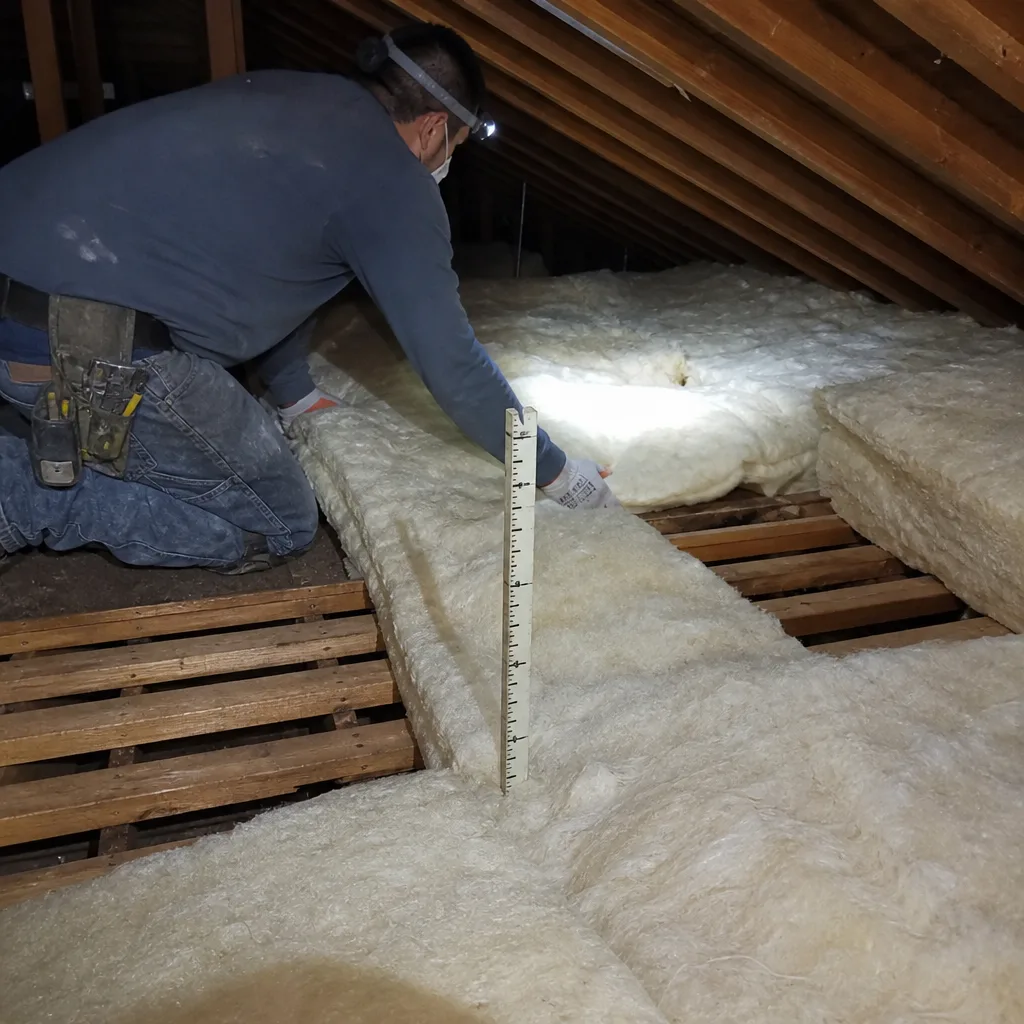
Crestline homeowners keep calling us back because we understand what 4,500 feet of elevation does to a building envelope. Freezing nights from October through April mean condensation collects in under-insulated attics, wetting the fiberglass and collapsing the air pockets that make insulation work. Our techs check for exactly that before quoting a single number.
We carry eight insulation brands across three installation methods, so when we walk into a 1960s A-frame on a steep lot off Waters Drive, we’re not stuck pitching whatever’s on the truck. Owens Corning fiberglass might be right for one attic while a closed-cell Demilec spray foam is the only sane option for a vaulted ceiling with no attic space at all. That range matters here more than anywhere.
Ruben Castellano leads our team, and he’s the one who reviews every Crestline quote before it goes out. If you call (855) 382-3451 with a question about your specific roofline, you’ll get a straight answer, not a sales script.
Attic Mold Removal in Crestline
Attic Mold Removal in Crestline means addressing the specific moisture source before treating the mold itself, because at this elevation, killing surface mold without fixing the condensation problem just means it comes back next winter. Poorly insulated attics let warm interior air hit a freezing roof deck, causing condensation that soaks insulation and feeds mold growth on the underside of the sheathing.
Mold removal in a Crestline attic typically runs $1,200 to $3,800 depending on the square footage and whether the insulation itself must be pulled. Many mid-century cabins here have never had proper attic ventilation, so the fix usually involves removing moldy insulation, treating the framing, then reinstalling with baffles that keep airflow moving year-round.
After remediation, the attic should be re-insulated to the correct R-value for this climate. We often see homeowners treat the mold but skip the insulation upgrade, only to have the same problem return the following spring. The two jobs go together.
Mold Testing and Identification
Not every dark stain in an attic is mold – sometimes it’s just staining from years of roof leaks or tannin bleed from cedar decking, which is common in Crestline’s older cabin stock. We identify what we’re dealing with before recommending treatment.
If testing confirms mold, we’ll explain the source. In Crestline attics, that’s almost always condensation from heat loss or poor soffit venting, not a leak. Treat the cause, then the symptom.
Post-Remediation Insulation Replacement
Once mold has been remediated and the framing has dried, the attic needs new insulation. Blown-in GreenFiber cellulose is a solid option here because it’s treated with borates that resist mold regrowth, and it’s a recycled-content material for homeowners who want that.
We also check the attic hatch and pull-down stair seals during this step. A surprising amount of warm, moist air leaks around the hatch, and sealing it is cheap insurance against the next condensation event.
Attic Insulation Removal in Crestline
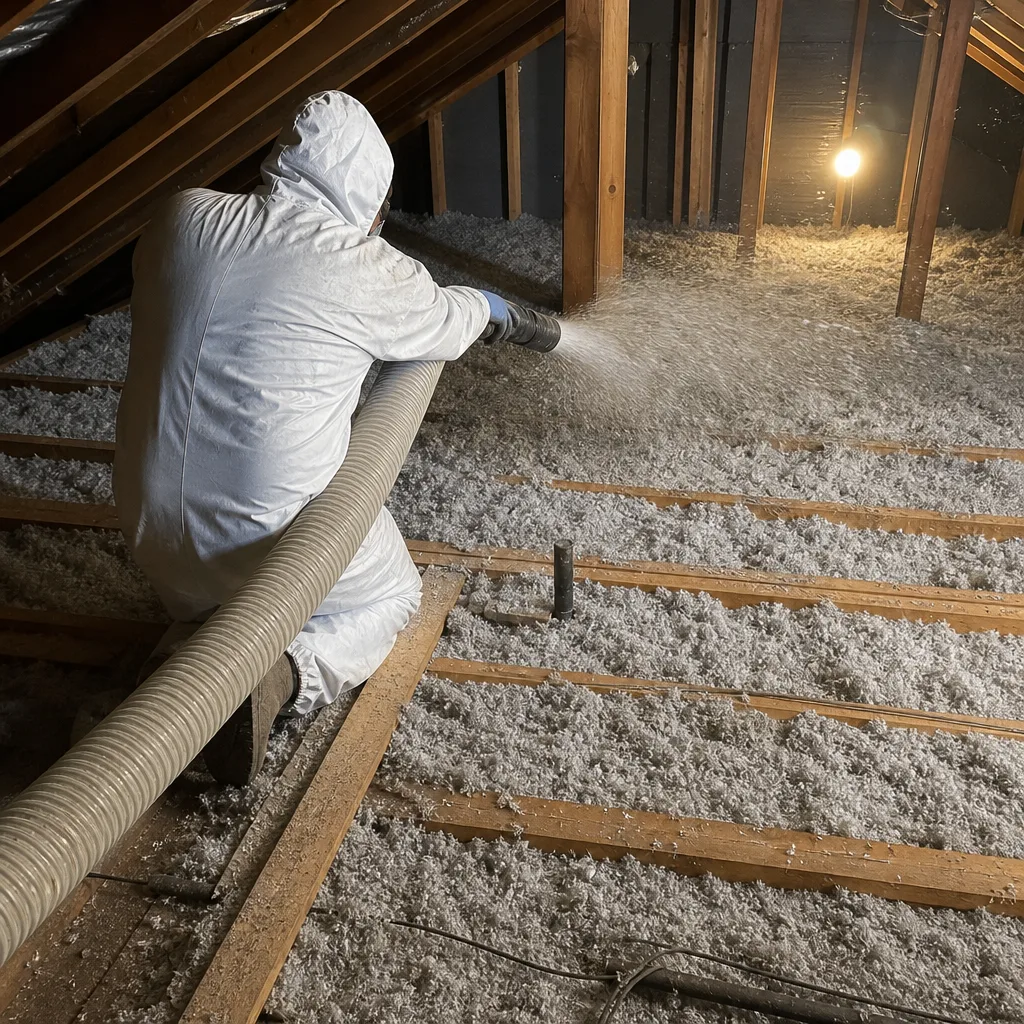
Attic Insulation Removal in Crestline means vacuuming out old, compressed, or contaminated material before installing fresh insulation. This is a job we do constantly in the San Bernardino Mountains, because many of these cabins were built in the 1950s through 1980s with thin fiberglass batts that have been flattened by decades of moisture and rodent activity.
Removal and disposal of old attic insulation in Crestline usually runs $900 to $2,500, with the final price tied to attic size, access difficulty, and what’s actually up there. Vermiculite insulation is a different conversation – we stop work and recommend testing before disturbing it.
Removal is also the right first step when there’s significant rodent or pest contamination, and that’s a real issue in mountain communities surrounded by forest. Squirrels and pack rats get into attics through gaps in soffits and around chimneys, and their droppings make the insulation unsanitary and ineffective.
When Removal Becomes Necessary
You need full removal when the existing insulation has absorbed so much moisture that it’s matted flat. Wet fiberglass doesn’t insulate. In Crestline, we see this on homes where ice dams have backed water under the shingles and into the attic.
Compression from HVAC equipment and contractor traffic also reduces the effective R-value of old batts. If the insulation is no longer performing and has been contaminated, pulling it out and starting fresh is usually more cost-effective than adding a top-up layer.
The Removal Process
We use commercial vacuum equipment with HEPA filtration, running hoses from the attic to a sealed collection unit outside. The process takes a few hours to a full day for larger attics or those with limited access.
Once the attic is clear, we inspect the ceiling joists and roof deck for damage, then move directly into air sealing and new insulation. The goal is to leave you with a clean, properly insulated attic that’s ready for a Crestline winter.
Trusted Brands We Service in Crestline
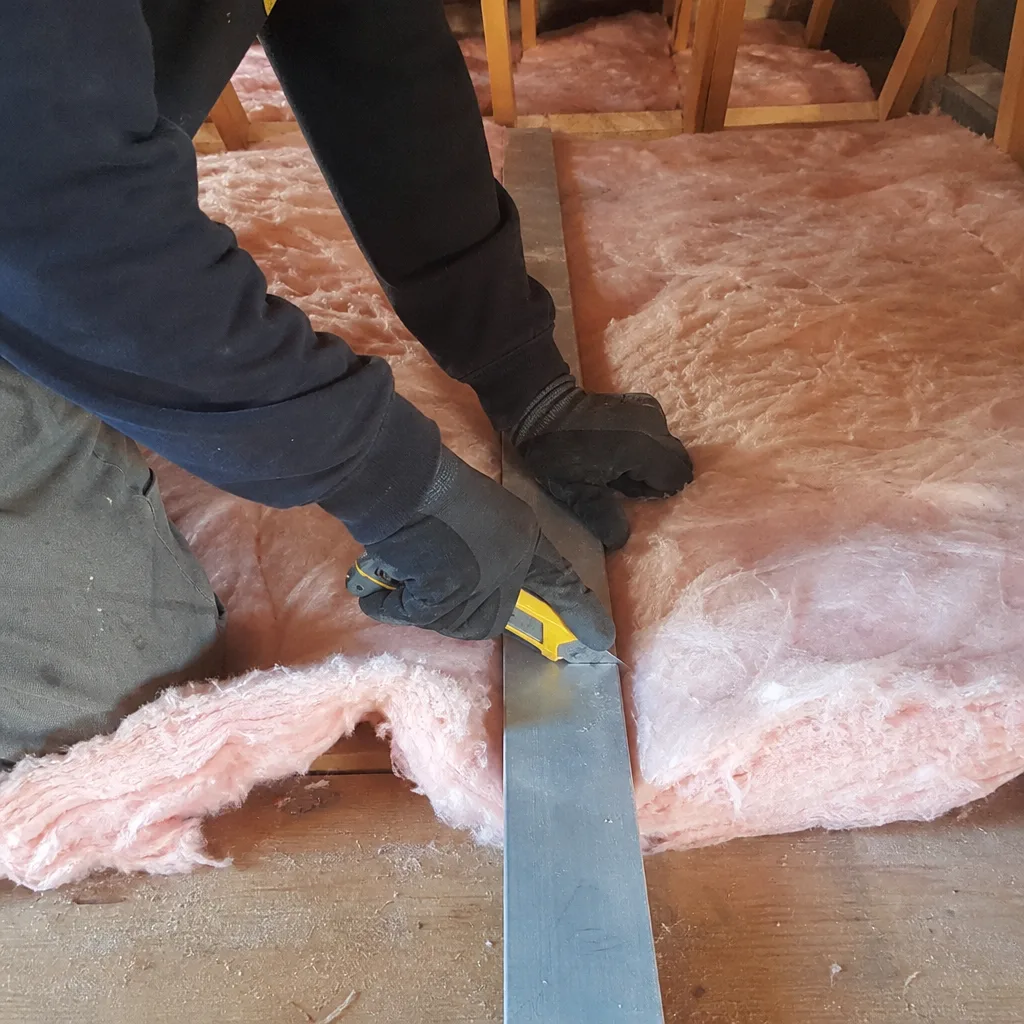
We carry Johns Manville and Owens Corning fiberglass because they’re the workhorse materials for standard attic retrofits in Crestline, and we stock them locally so we’re not waiting on a truck from down the hill. When a vaulted ceiling or tight roof deck calls for spray foam, Demilec is our go-to for closed-cell applications because it handles the cold-weather condensation problem better than fiberglass in unvented assemblies. For homeowners who want recycled content, GreenFiber cellulose is on our truck and available for any Crestline job. We stock replacement parts for these systems so turnarounds stay fast, even in winter.
Common Attic Insulation Problems We See in Crestline Homes
- Ice dams from heat loss through thin attic insulation. When warm air escapes through a poorly insulated ceiling, it melts snow on the roof deck, and that water refreezes at the colder eaves, creating ice dams. The fix is sealing the attic floor and getting to R-49.
- Compressed builder-grade batts in newer construction. In Crestline’s master-planned neighborhoods, builders often install the minimum code insulation, and HVAC crews walk over it during rough-in, compressing it to half its rated R-value. We see this constantly in homes under 10 years old.
- Ember entry through undersized or un-baffled soffit vents. Given Crestline’s location in the San Bernardino National Forest, attic vents must be screened with ember-resistant mesh. Many older cabins have open or missing screening, and that’s a fire-safety issue as much as an insulation one.
- No insulation at all in vaulted ceiling cavities. A-frames and cabins with exposed cathedral ceilings often have empty rafter bays. The only practical retrofit in those cases is spray foam against the roof deck, and it has to be closed-cell at this elevation to avoid condensation.
Pricing for Attic Insulation in Crestline, CA
Here’s what we tell Crestline homeowners to budget, before we’ve seen the attic. A standard blown-in fiberglass or cellulose attic retrofit to R-49 runs $1,800 to $3,200 for a 1,200 to 1,500 square foot attic. Closed-cell spray foam against a vaulted ceiling is $4,500 to $9,000 depending on square footage and access. Attic insulation removal before a new install adds $900 to $2,500. These are the numbers we quote regularly here, and the estimate is free – call (855) 382-3451 and we’ll give you a firm price after a walkthrough.
We Also Serve Cities Near Crestline
Our service area includes Attic Insulation work in Lake Arrowhead, where lakefront cabins have their own moisture challenges. We also cover Muscoy, San Bernardino, and Highland, and you can learn more about our mountain coverage on our Crestline page. If you’re in any of these communities, call (855) 382-3451 for the same flat-rate pricing.
Serving Crestline, CA — Our Local Coverage Area
We’re based in the Crestline area and know this community well. Use the map below to see our service coverage — if you’re nearby, we can almost certainly help.
FAQs About Attic Insulation in Crestline
At 4,500 feet, we recommend an attic R-value of R-49 minimum for fiberglass or cellulose, and R-30 to R-38 for closed-cell spray foam. That’s a step above what flatland code requires, and it’s because Crestline’s annual heating degree days are much higher than nearby communities like San Bernardino. A properly insulated R-49 attic prevents most ice-dam formation and keeps your furnace from running around the clock. Call (855) 382-3451 for a specific recommendation based on your roofline.
Yes, and we do this combination job regularly in Crestline’s newer developments. Builder-grade openers struggle in freezing temperatures, and the garage-to-attic interface is a major heat-loss path. We’ll insulate and air-seal the attic while swapping the opener for a Wi-Fi-enabled myQ unit rated for cold-weather operation, so both problems get solved in one visit.
It changes the specification dramatically. In Crestline we spec Class A fire-rated, ember-resistant assemblies around all attic vents and soffits, and we often recommend mineral wool or closed-cell foam in wildfire-prone areas because they outperform standard fiberglass in fire conditions. Down the hill in San Bernardino, this isn’t a consideration. Up here, it’s the difference between an ember finding fuel and an ember finding nothing.
Yes, whenever the existing insulation is wet, compressed, rodent-contaminated, or so thin it hasn’t been doing its job for years, which describes most pre-1980 Crestline cabins. Full removal adds $900 to $2,500 to the project, but it’s the only way to fix moisture problems and get a clean thermal envelope. We’ll inspect and tell you honestly whether a top-up will work or a full remove-and-replace is the right call.
Closed-cell spray foam applied directly to the underside of the roof deck is the only method that works well on vaulted or cathedral ceilings, and we use Demilec foam for that application. It insulates, air-seals, and eliminates the condensation risk that plagues A-frame rafter bays in freezing temperatures. Fiberglass batts can’t be installed in those shallow cavities without sagging and losing performance.
Call (855) 382-3451 for a free estimate on attic insulation in Crestline. We’ll walk your attic, show you what’s there, and give you a firm written quote for the fix that actually fits your home.
Written by Ruben Castellano, Owner at Thermal Insulation Co, serving Crestline and the San Bernardino Mountains.