Fast, Reliable Attic Insulation Across Rancho Cucamonga
Attic insulation in Rancho Cucamonga has to do two jobs that most inland cities never deal with at the same time. It has to hold back 100-degree summer heat blasting through your roof deck, and it has to stay put when the Santa Ana winds slam down off the Cucamonga foothills each fall. That’s the reality our crews work in every week, from the 91739 tracts off the 210 to the older 91701 neighborhoods near Foothill Boulevard. We’re Thermal Insulation Co, and we’re a dedicated insulation contractor that carries eight brands and installs three methods. If your attic is under-insulated or wind-damaged, call (855) 382-3451 for a free estimate.
Why Thermal Insulation Co Is Rancho Cucamonga’s Preferred Attic Insulation Company
Homeowners in Rancho Cucamonga keep calling us for one reason: we don’t just add R-value and walk away. We look at how this city’s wind and heat actually behave inside an attic. A house in Rancho Cucamonga that backs up to the foothills gets hit by downslope gusts that a flatland house in Upland or Ontario never feels. That changes where insulation fails, how vents should be sealed, and which materials belong in the assembly.
Our Attic Insulation crews work the full ZIP spread here: 91730, 91737, 91739, and 91701. We know the difference between a 1980s tract home with original builder-grade batts and a 2000s build with open spider-web trusses. Ruben Castellano, our owner, set up Thermal Insulation Co to be a specialist shop, not a generalist contractor that happens to insulate. That’s why we stock Owens Corning fiberglass for one application, GreenFiber cellulose for another, and Johns Manville for a third. The home picks the material, not our inventory sheet.
Insulation Contractors in Rancho Cucamonga
Insulation Contractors in Rancho Cucamonga get called for two very different types of jobs: full attic replacements on 1980s and 1990s tract homes, and top-ups on newer houses that were under-insulated at original build. Most of the 91730 and 91739 housing stock went up during a building boom when code minimums were far lower than what makes sense for this climate. Blow-in or batt replacement on a typical 1,500 to 2,500 square foot Rancho Cucamonga attic now runs $2,200 to $5,600 depending on square footage, existing depth, and whether we’re pulling out the old material first. Top-ups run $1,100 to $2,800 when the existing insulation is still functional but thin.
Batt and Blown-In Applications
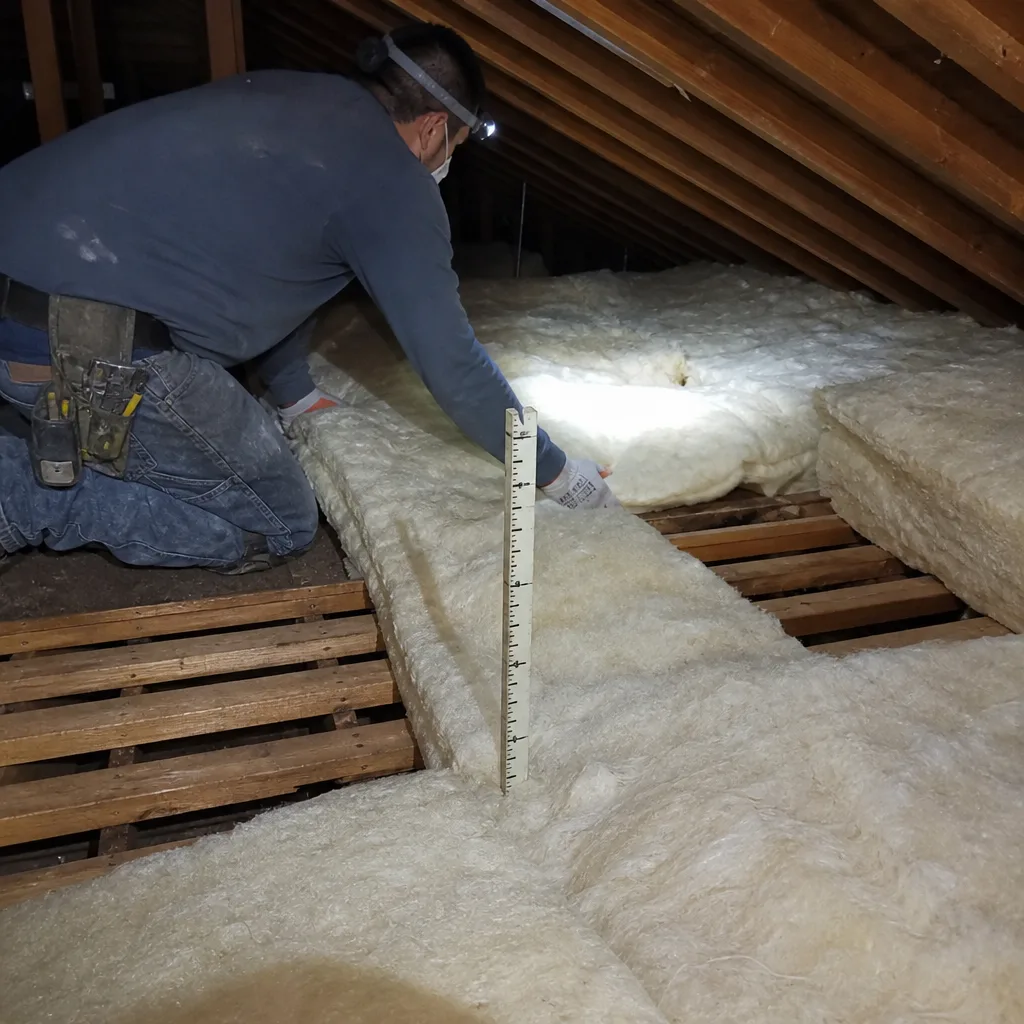
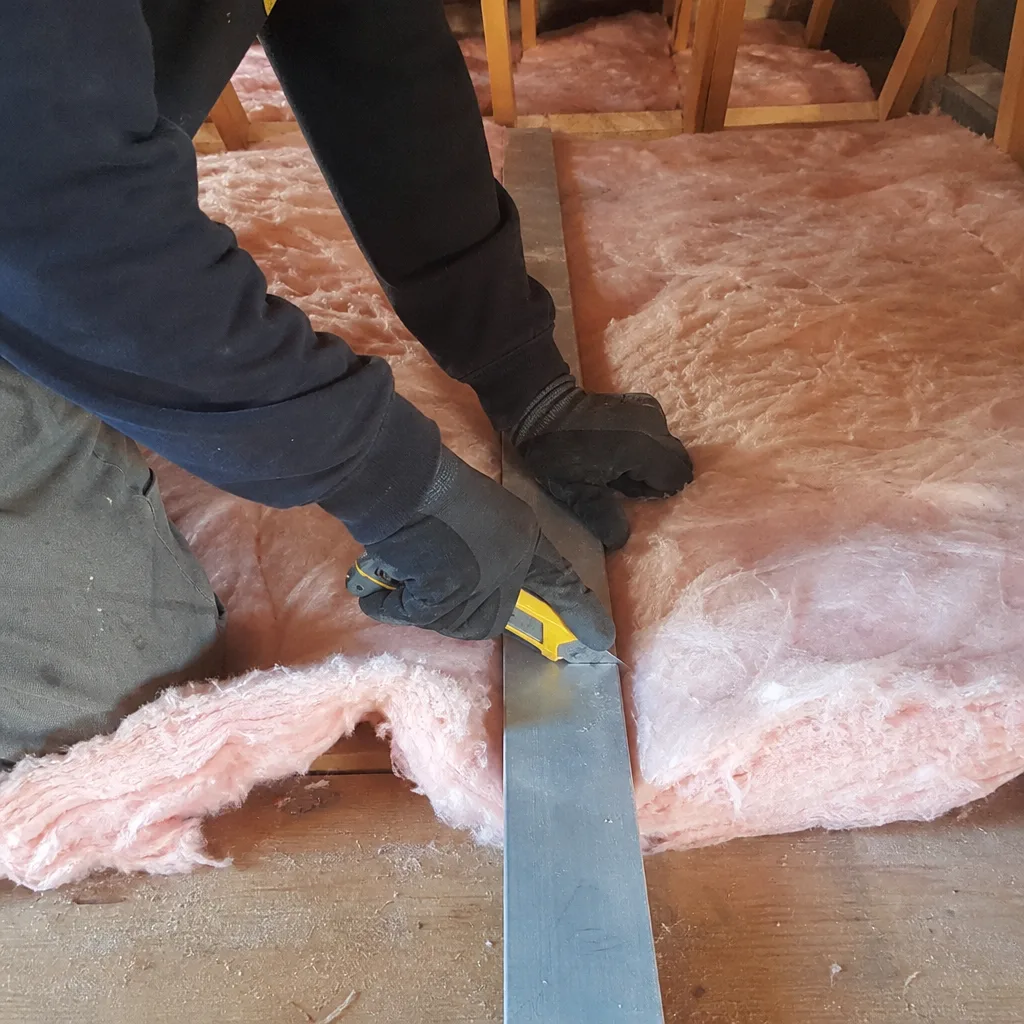
Foothill tract homes in the 91737 ZIP get wind-hammered during Santa Ana events, so loose batts that are simply laid into joist bays often blow out of position. For those homes we recommend a denser wind-rated fastening pattern with Rockwool batts, which has enough mass to hold position and adds fire resistance. Flat-lot homes in 91701 with sealed soffit runs can often use blown-in GreenFiber cellulose at a lower installed cost per square foot.
Top-Ups and Replacement
A top-up only makes sense when the existing insulation is physically intact and the attic is dry. If the material is compressed, rodent-soiled, or blown into piles against the gable ends, replacement is the honest call. We tell Rancho Cucamonga homeowners the truth: adding R-38 on top of failed R-19 does not give you R-57 performance. The old layer is stealing heat loss through air gaps no top layer can fix.
Attic Ventilation in Rancho Cucamonga
Attic Ventilation in Rancho Cucamonga is not a generic box-check item. It’s the difference between an attic that stays dry and intact through a Santa Ana wind event, and one that gets sand, debris, and embers driven through its soffit and gable vents every fall. Proper vent sealing and airflow design on a Rancho Cucamonga home runs $400 to $1,200, depending on the number of vents, accessibility, and whether fire-rated mesh and sealants are required. On foothill-side homes in 91737, that upgrade is often more important than going from R-30 to R-38.
Wind-Sealed Ventilation
Standard soffit and gable vents are passive openings. When a 50-mph downslope gust hits a hillside house, those openings turn into intake scoops. We install fire-rated mesh over vent openings and seal the perimeters with intumescent sealant that swells under heat. This keeps embers out during fire-weather days and stops wind-driven sand from blasting insulation out of position.
High-Solar-Load Attic Prep
Rancho Cucamonga summers routinely push past 100°F for weeks. An attic that is insulated but under-ventilated becomes an oven that superheats your ceiling drywall and forces the HVAC to run longer. We evaluate ridge and soffit airflow balance before adding insulation. Trapping heat is not the same as holding R-value, and we fix both on the same visit.
Trusted Brands We Service in Rancho Cucamonga
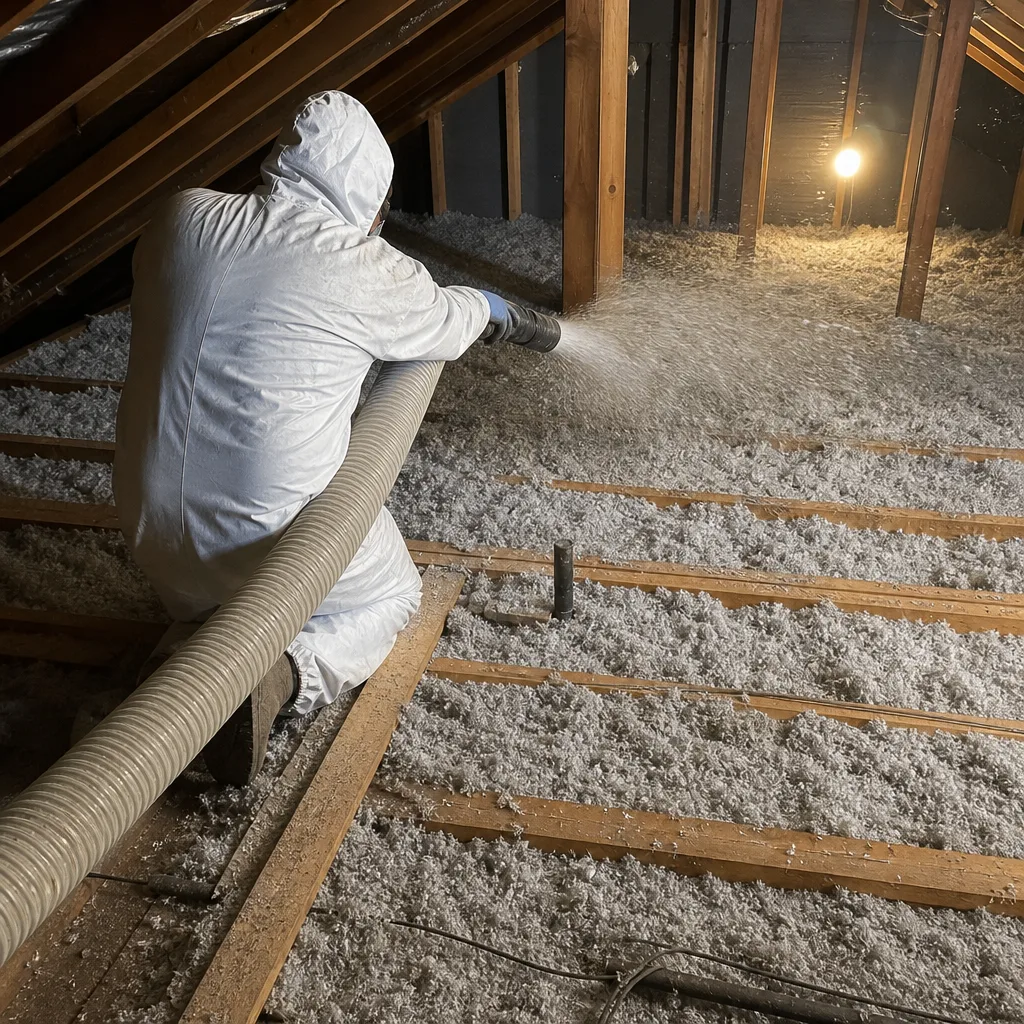
We run Rancho Cucamonga jobs with the material that fits the house, not the brand we happen to have on the truck. Authorized to install from eight national manufacturers, we stock Owens Corning fiberglass for standard attic fills, GreenFiber cellulose for blown-in retrofits and recycled-content priorities, and Johns Manville for builders who want spec-grade product on multi-unit work. Rockwool mineral wool gets used on foothill homes where fire resistance and wind stability matter more than fiberglass can deliver. Demilec spray foam covers open-cell thermal envelopes and closed-cell air-sealing applications. Because we carry competing brands in the same category, our recommendation is driven by your attic’s conditions, not a distributor’s rebate.
Common Attic Insulation Problems We See in Rancho Cucamonga Homes
- Wind-displaced batts in foothill tracts. On a 1990s tract home in the 91737 foothill area, we found original builder-grade fiberglass batts blown loose and piled against the gable vent after a fall Santa Ana event. We removed the damaged batts, sealed the soffit and gable vents with fire-rated mesh and intumescent sealant, and installed Rockwool batts with a wind-rated fastening pattern. The attic now holds its R-value through gust events and meets local WUI code for ember resistance.
- Compressed builder-grade fiberglass in 1980s to 2000s homes. The master-planned tracts across 91730 and 91739 were built fast. Batts that looked acceptable at inspection have now compacted under years of heat cycling and foot traffic, leaving edge gaps that rob effective R-value. We see this on nearly every original-insulation attic we open.
- Degraded radiant barrier and insulation facings. Attic temperatures in Rancho Cucamonga regularly exceed 140°F in July and August. Reflective facings delaminate and lose their reflectivity after a decade of that exposure. Heat gain then transfers into the insulation layer, and the AC runs longer to compensate.
- Ember and debris intrusion through unsealed vents. On the north-end foothill side of Rancho Cucamonga, wind-driven debris pushes through soffit and gable vents during Santa Ana events. Even without an actual fire, the material that gets in – pine needles, sand, leaves – reduces airflow and creates dry fuel accumulation inside the attic cavity.
Pricing for Attic Insulation in Rancho Cucamonga, CA
A full attic insulation replacement in Rancho Cucamonga typically runs $2,200 to $5,600 for a standard single-family home, based on square footage, attic accessibility, and whether old material must be removed first. Blown-in attic insulation usually lands between $1,800 and $4,200. An attic insulation top-up over existing, functional material runs $1,100 to $2,800. Attic baffles and ventilation prep add $400 to $1,200 depending on the vent count and sealant requirements. Foothill homes that need the wind-and-ember sealing package will trend toward the upper end. Call (855) 382-3451 for an exact quote. Estimates are free, and we line-item everything so you can see where each dollar goes.
We Also Serve Cities Near Rancho Cucamonga
Our crews cover Attic Insulation in Rancho Cucamonga and all the bordering communities, including San Antonio Heights, Upland, Ontario, and Fontana. If you’re in one of those cities and need an attic inspection, we route a crew from our Rancho Cucamonga schedule. Same response standards apply.
Serving Rancho Cucamonga, CA — Our Local Coverage Area
We’re based in the Rancho Cucamonga area and know this community well. Use the map below to see our service coverage — if you’re nearby, we can almost certainly help.
FAQs About Attic Insulation in Rancho Cucamonga
Santa Ana winds damage attic insulation by driving debris and embers through unsealed soffit and gable vents, physically displacing loose batts and blowing them into piles against roof framing. On foothill-side homes in the 91737 ZIP, the wind load is strong enough to peel poorly fastened fiberglass out of joist bays and create cold or hot gaps along exterior walls. Sealing vents with fire-rated mesh and switching to denser, wind-stable insulation like Rockwool batts prevents this. Call us at (855) 382-3451 if your attic shows signs of wind scouring.
A 1990s tract home in 91737 typically needs three upgrades: removal of original builder-grade fiberglass that has compressed or blown loose, installation of dense Rockwool batts with a wind-rated fastening pattern, and sealing of all soffit and gable vents with fire-rated mesh and intumescent sealant. Radiant barrier replacement may also be warranted if the original facing is delaminated. These upgrades protect against ember intrusion while restoring full R-value retention through gust events. We provide a free inspection for Rancho Cucamonga homeowners at (855) 382-3451.
Rancho Cucamonga enforces California Title 24 energy and wildfire urban interface provisions, and homes in designated WUI foothill zones must meet ember-resistance and ignition-resistance standards that affect insulation and vent detailing. That means batts must be installed to resist displacement, and vent openings must be screened and sealed to prevent ember entry. We treat every foothill-side 91737 job as a WUI-compliance job, not just an R-value job. Call (855) 382-3451 and we will check your compliance status during the inspection.
Radiant barrier reduces attic heat gain by reflecting solar radiation off the roof deck before it enters the insulation layer. In Rancho Cucamonga’s summer climate, where attic temperatures exceed 140°F, a high R-value batt without a functioning radiant barrier still allows significant radiant heat transfer into insulation and eventually into the living space. When the barrier degrades under years of intense solar load, your AC works harder even though the R-value on paper hasn’t changed. We check barrier condition on every Rancho Cucamonga attic inspection.
Look for batts that are bunched, piled against gable ends, or shifted away from eaves. Check for debris such as pine needles, sand, or ash accumulating near the vents, and inspect the soffit screens for tears or gaps. If you have a radiant barrier, look for peeling or delaminated-facing anywhere on the attic floor. These are wind and ember intrusion signs, and they mean your effective R-value is already compromised. Call (855) 382-3451 for a professional Rancho Cucamonga attic assessment, free.
Text Us for a Free Rancho Cucamonga Estimate
Written by Ruben Castellano, Owner at Thermal Insulation Co, serving Rancho Cucamonga and the surrounding Inland Empire.