Fast, Reliable Attic Insulation Across Northridge
Attic insulation in Northridge is not a comfort upgrade here. It’s the difference between a house that holds 78°F and one that climbs past 90°F by 4 p.m. between June and October. Our techs work in Northridge weekly, from the 1950s tracts off Reseda Boulevard to the newer condo complexes near CSUN in 91325 and the bigger-lot ranch homes up toward 91327. We know the housing stock, we know what the Valley heat does to an under-insulated attic deck, and we can usually get a crew to your door within one to two business days. Call (855) 382-3451 and we’ll schedule a free attic assessment.
Why Thermal Insulation Co Is Northridge’s Preferred Attic Insulation Company
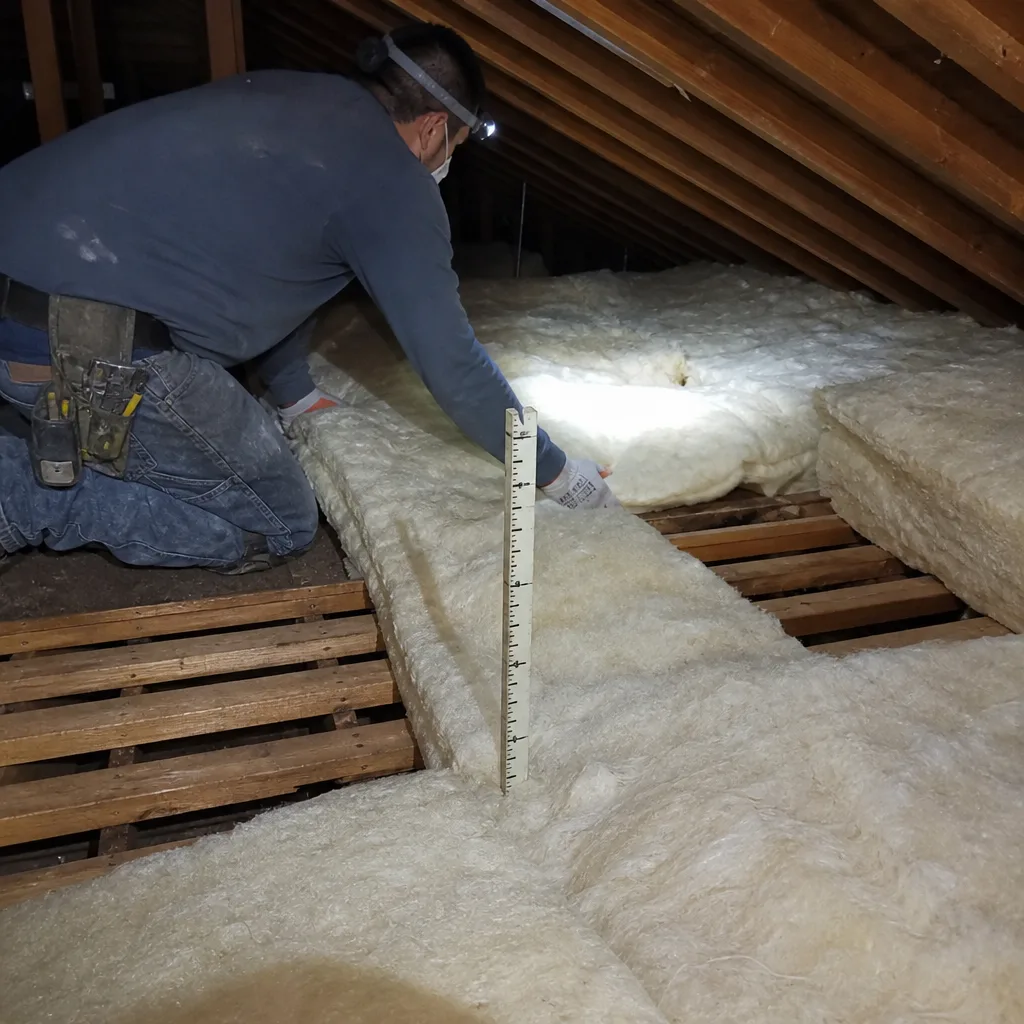
Most insulation contractors treat Northridge as just another stop in the Valley. We don’t. We’ve worked enough homes here to know the post-1994-earthquake retrofit history changed what’s actually inside the walls and attic cavities, and those changes don’t show up on any permit record. When a Northridge homeowner calls us, the first thing Ruben Castellano’s crews do is probe the existing insulation, map the cavity depths, and figure out what’s actually there before quoting anything. That’s not a sales tactic. It’s the only honest way to price work in a city where the paper record and the physical attic often tell two different stories.
We’re a dedicated Attic Insulation contractor. We don’t do plumbing, we don’t do roofing, we don’t do windows. Insulation is the whole trade. That focus is why we carry eight material brands and three installation methods under one roof, and why we’ll tell you exactly which one makes sense for your specific attic rather than selling you whatever’s in the warehouse. Northridge homeowners call us back for the same reason: the number we quote is the number that matches what’s actually in their house, and the material we recommend is the one that performs in Valley heat.
Attic Ventilation in Northridge
Attic Ventilation in Northridge is the part of the job most contractors skip, and it’s arguably the most important step in a Valley attic. When your attic deck hits 150°F and there’s no air moving through the cavity, the insulation becomes less effective no matter what R-value it’s rated at. Proper ventilation moves that superheated air out and pulls cooler air in, which extends the life of your roof decking, keeps your ductwork from baking, and lets any insulation we install do its actual job. In Northridge’s housing stock, that usually means checking that eave soffits are open, adding baffles where needed, and sizing ridge or gable vents to the attic square footage.
Ventilation Checks We Run First
Before we blow in or batt anything, we look at what’s already moving air. A 1960s ranch off Reseda Boulevard might have had venting adequate when it was built, but decades of re-roofing have a way of covering eave vents or crushing baffles. We probe the soffits, check for blocked vent channels, and verify that the air path from eave to ridge actually exists.
When to Add Baffles or Re-Vent
If the attic’s been re-insulated in the past without baffles at the eaves, the insulation has likely drifted over the soffit vents and choked off the intake air. That’s common in Northridge homes that got a quick top-up before a sale. Adding baffles restores the intake path so the ridge vent can actually pull air through. Typical re-vent work with baffles on a standard Northridge ranch runs $350 – $700 depending on attic length and how many bays are blocked.
Radiant Barrier in Northridge
Radiant Barrier in Northridge is the single best material upgrade for the specific problem this city has: a 150°F-plus attic deck radiating heat straight down through whatever insulation sits below it. A radiant barrier stapled to the underside of the rafters reflects a significant share of that radiant heat back out of the attic before it ever reaches the insulation layer or your ceiling. For a 91324 stucco tract home with a dark comp shingle roof and little shade, that’s a meaningful drop in upstairs room temperature during the worst of August. We typically install radiant barrier in Northridge attics at $1.50 – $2.75 per square foot of attic floor area, and we always pair it with an insulation top-up or replacement rather than treating it as a standalone fix.
What Radiant Barrier Actually Changes Here
The Valley heat isn’t like coastal heat. It’s dry, it’s relentless, and it radiates. Radiant barrier attacks the radiative load specifically, which is what makes it worth more in Northridge than it would be in, say, Santa Monica. We’ve measured attic decks above 150°F on clear August afternoons here. A radiant barrier drops the surface temperature of whatever sits below it enough to matter, and it keeps working every summer for the life of the home.
Pairing Barrier With Top-Up or Re-Blow
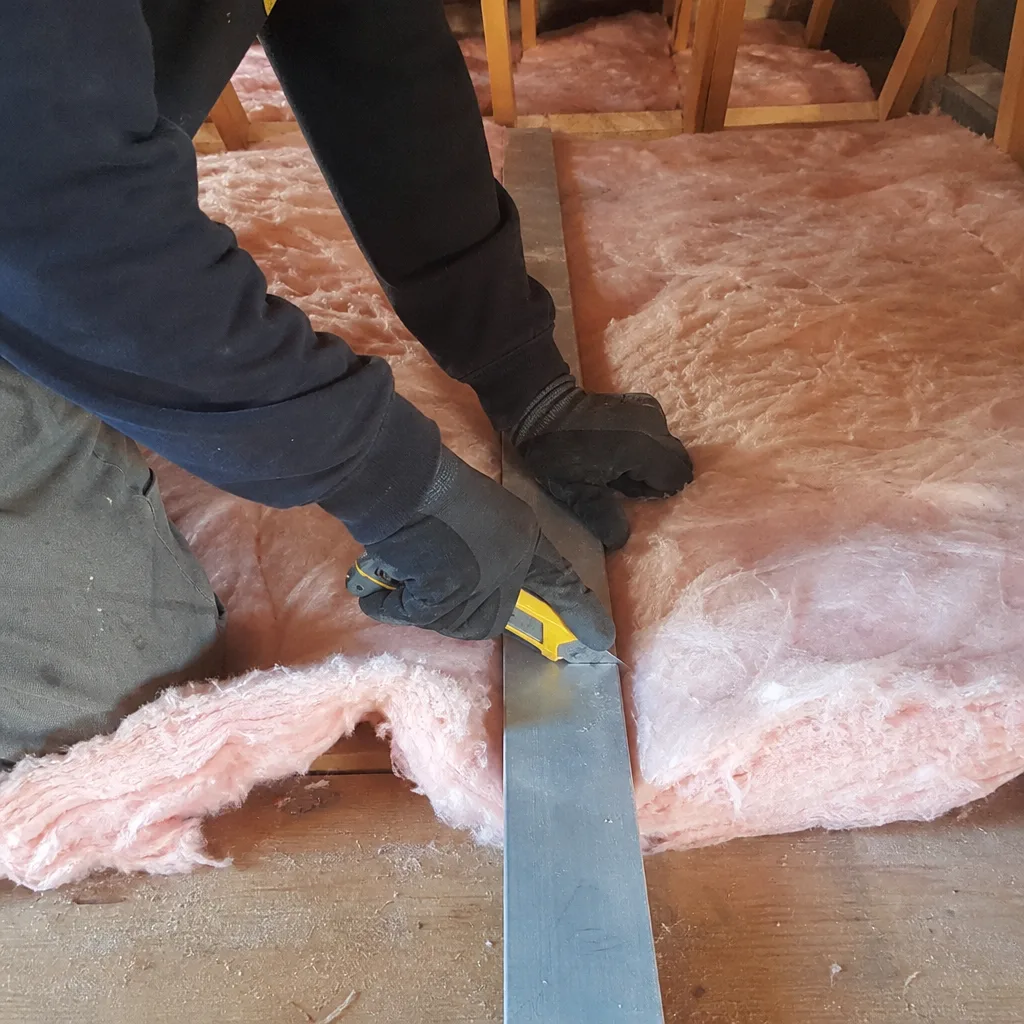
Radiant barrier by itself will not fix an attic that’s sitting on R-11 batts that fell off the eaves 30 years ago. It’s a system. We pair the barrier with either a blown-in top-up to bring the floor insulation back to spec, or a full re-blow where the existing material has settled past usefulness. On a 1960s Northridge ranch, that combo is what actually moves the needle on cooling bills and room-to-room temperature differences.
Trusted Brands We Service in Northridge
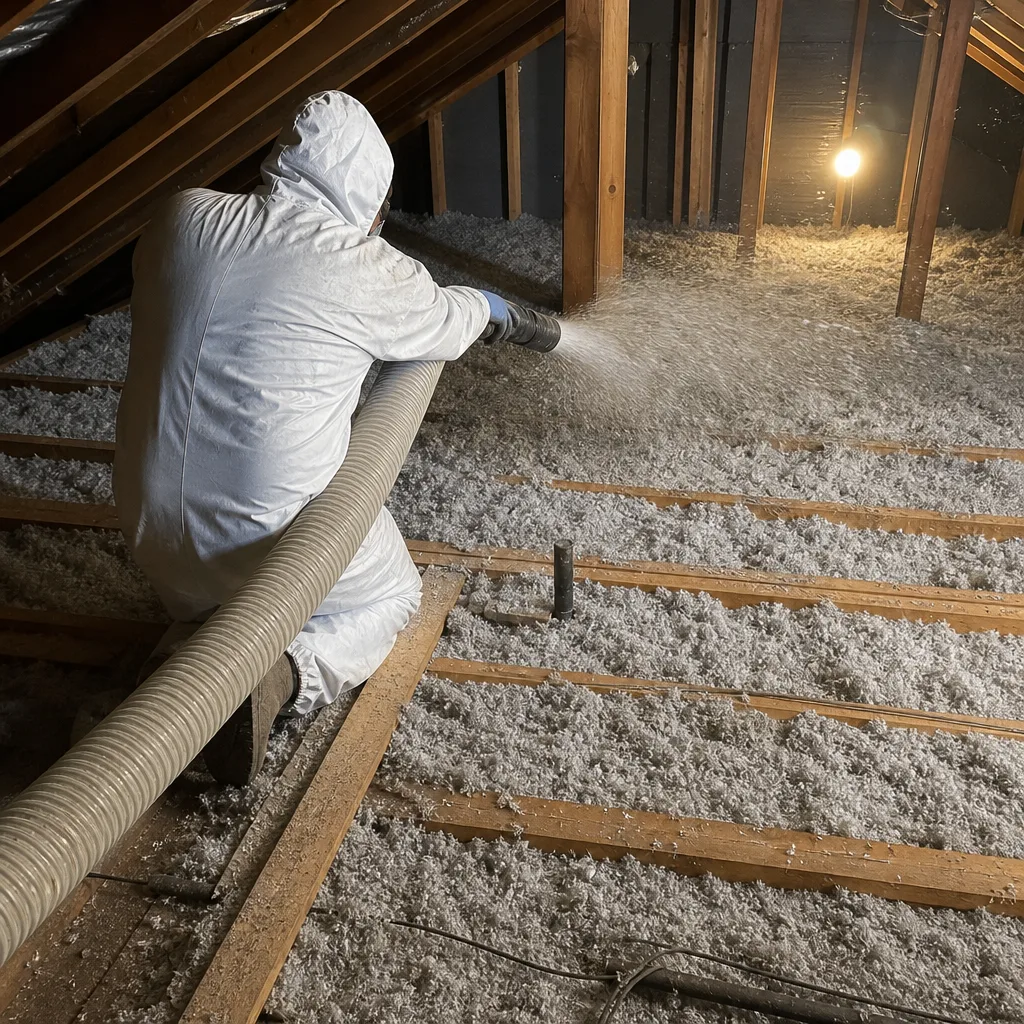
We install products from eight manufacturers, and we stock the ones Northridge’s housing stock actually calls for. Owens Corning and Johns Manville fiberglass batts and blown-in product cover most 1950s – 1970s tract cavities. GreenFiber cellulose is what we reach for when a post-earthquake re-drywall job left cavities with odd depths that standard batts won’t fill cleanly. Demilec spray foam handles the tight, irregular corners around retrofitted additions and CSUN-era condo units where air sealing is the whole problem. Because we’re authorized to work with all three, we’re not steering you toward a brand. We’re steering you toward the material that fits your attic’s actual condition. Stock is kept locally, so turnaround on a Northridge job doesn’t wait on a warehouse shipment.
Common Attic Insulation Problems We See in Northridge Homes
- Post-1994 re-stucco and re-drywall covered up disturbed cavities. After the earthquake, contractors repaired and refinished walls and attics, but the insulation behind those surfaces wasn’t always reinstalled to the original spec. The permit record says the home was “restored.” The attic says otherwise. We probe first, quote second.
- Original 1950s – 1970s batts pulled loose at the eaves. The standard ranch houses that dominate Northridge were built with fiberglass batts that degrade, settle, and slide over decades, especially where re-roofing jobs left the eave line uncovered. That leaves a bare thermal gap exactly where the roof deck radiates the hottest.
- Detached workshops and oversized garages create second envelopes. Northridge’s larger lots often include a detached garage, a workshop, or a converted outbuilding. These unconditioned spaces leak air and heat in their own way, and a top-up on the main house alone won’t fix a home where the shop’s unconditioned air is bleeding into the shared wall or roofline.
- Ductwork baked by the attic deck. The flex duct in a 1960s Northridge ranch is often running through a 150°F attic uninsulated, which means the air conditioning system is losing cooling capacity before air ever reaches the vents. We wrap and seal exposed duct as part of the attic job when it’s needed.
Pricing for Attic Insulation in Northridge, CA
A standard blown-in top-up over existing insulation on a 1,200 – 1,600 sq ft Northridge ranch runs $900 – $1,600. A full attic replacement, where we remove settled or damaged material and re-blow to current code levels, lands between $2,200 and $4,200 depending on attic size and how much removal is needed. Adding radiant barrier typically adds $1,500 – $3,300 for the same footprint. Attic ventilation and baffle work falls in the $350 – $700 range on its own. The wildcard in Northridge is what we find behind post-earthquake repairs. If the original build record says R-19 but the actual cavity holds R-11 that’s slipped to the floor joists, we’ll show you with photos before we requote anything. Estimates are free, and we welcome you to stand in the attic with us while we map what’s there. Call (855) 382-3451 and we’ll schedule it.
We Also Serve Cities Near Northridge
Thermal Insulation Co covers the whole central and west San Fernando Valley. Beyond Northridge, we work regularly in North Hills, Encino, Van Nuys, and Valley Glen. If you’re in one of those areas and your attic hasn’t been looked at since the 1990s, the same probe-first approach applies. Same crew, same brands, same one-trip service.
Serving Northridge, CA — Our Local Coverage Area
We’re based in the Northridge area and know this community well. Use the map below to see our service coverage — if you’re nearby, we can almost certainly help.
FAQs About Attic Insulation in Northridge
Because your build records are from before 1994, and Northridge had an earthquake that year that changed what’s actually inside your walls and attic. Re-stucco and re-drywall work often left insulation disturbed, settled, or missing entirely, and the permit records rarely note it. We probe cavities and physically map what’s there before quoting because quoting off a 1962 spec sheet would be guessing. Call (855) 382-3451 and we’ll put a borescope in your attic, not just a ladder.
Yes. We treat the workshop or detached garage as part of the same thermal envelope problem, not an add-on. We’ll map the house attic, then probe the shop’s roof and wall assembly the same day, and quote both as one job. One crew, one trip, one clean-up.
On a clear August afternoon, a Northridge attic deck will routinely exceed 150°F, and that heat radiates straight down through whatever sits beneath it. That changes your insulation requirements in two ways: you need enough floor insulation to block conductive and radiative heat, and you need a ventilation path that moves the superheated air out. We’ll show you the temperature reading from your own attic when we’re in there.
For a 1960s stucco tract home in 91324 with an unshaded roof and dark shingles, a radiant barrier is one of the highest-impact dollars you can spend on thermal comfort. It reflects heat before it reaches your insulation layer, which matters more in the Valley than almost anywhere else in LA County. We’ll pair it with a top-up or re-blow so you’re not reflecting heat away from dead insulation underneath.
We install Owens Corning and Johns Manville fiberglass, GreenFiber recycled cellulose, and Demilec spray foam, among our full eight-brand lineup. What we recommend for your attic depends on the cavity depths we measure, the condition of the existing material, and whether there are irregular spaces from post-earthquake repairs. We carry all of them, so the recommendation is driven by your attic, not our inventory.
Call Thermal Insulation Co for Your Northridge Attic
If your attic hasn’t been opened since before 1994, or you’re noticing upstairs rooms that won’t hold temperature this summer, the fastest way to a straight answer is a free assessment. We’ll probe the cavities, show you what’s actually there, and quote the work at the number that matches your house, not a catalog. Ruben Castellano’s crews have been in enough Northridge attics to know what the permit records miss. Call (855) 382-3451 and we’ll schedule your free estimate this week.
Written by Ruben Castellano, Owner at Thermal Insulation Co, serving Northridge and the San Fernando Valley.