
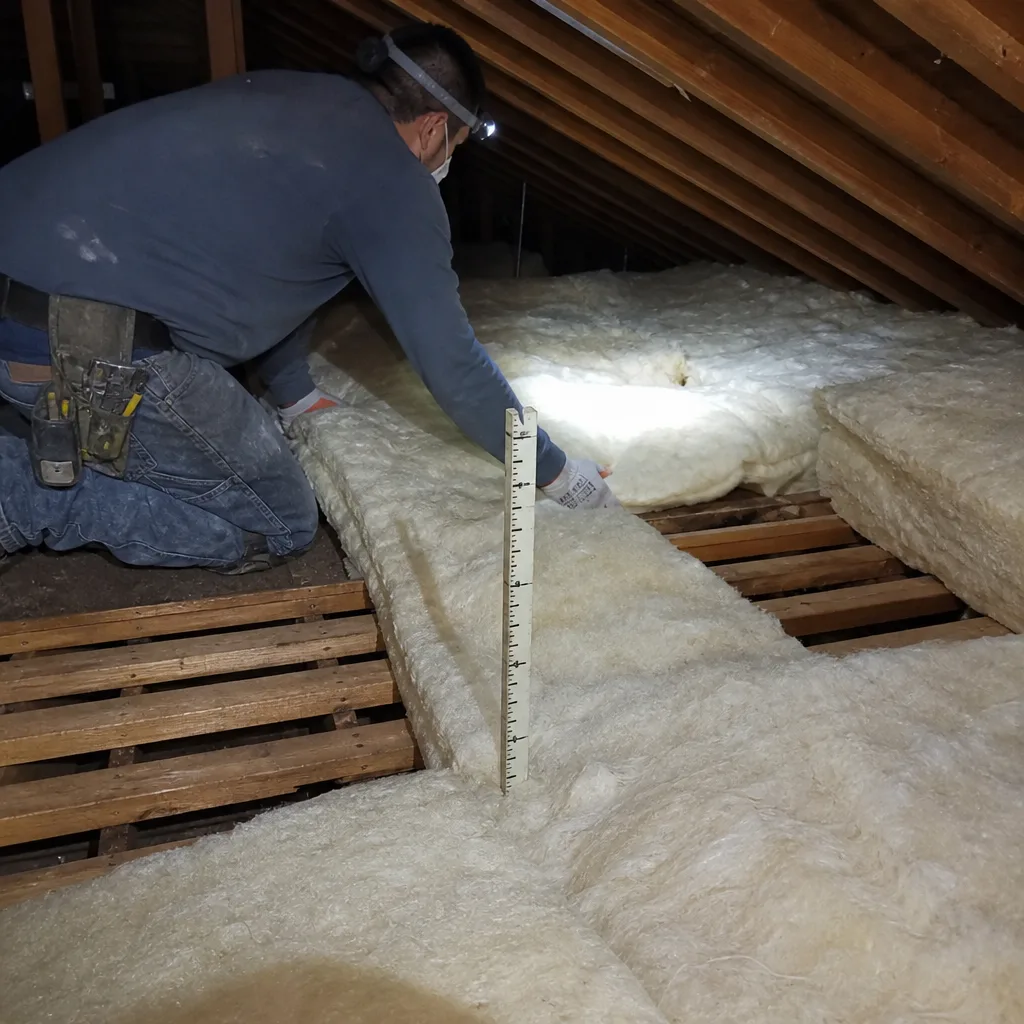
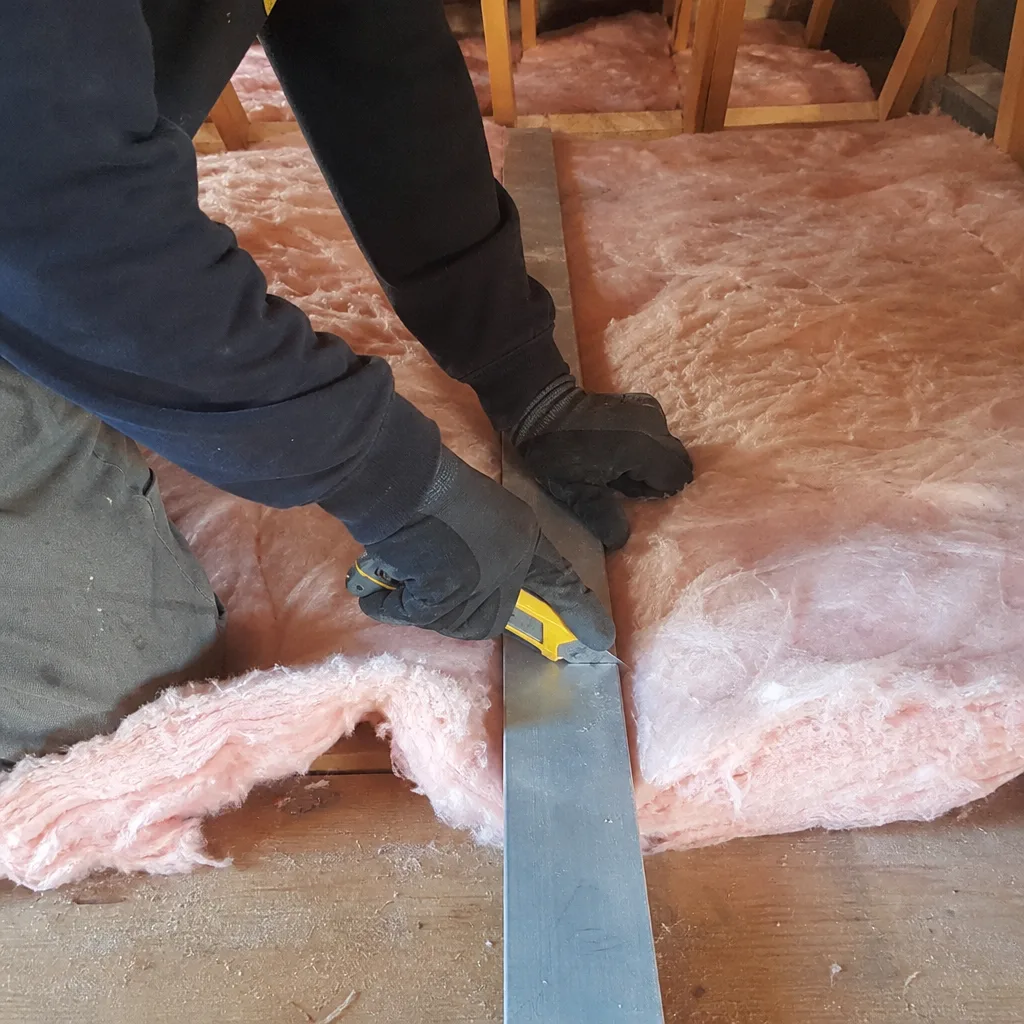
Fast, Reliable Attic Insulation Across Morongo Valley
Attic insulation in Morongo Valley isn’t a one-size-fits-all job. The homes here, many of them built between the 1950s and 1970s, sit at the mouth of Morongo Canyon where the wind doesn’t just blow, it funnels. That means heat loss through the attic happens faster than in the tract homes down in Palm Springs or over in Yucca Valley. We’ve worked on cabins, homesteads, and manufactured homes throughout the 92256 zip code long enough to know exactly where the problems hide. If your energy bills spike in winter and your ceiling feels warm in August, call us at (855) 382-3451. We’ll come out, look, and tell you straight what’s needed.
Why Thermal Insulation Co Is Morongo Valley’s Preferred Attic Insulation Company
We’re a dedicated insulation contractor, not a generalist who happens to carry a few batts in the truck. Insulation is the only trade we work in, and that focus shows up in the way we approach Morongo Valley homes. Ruben Castellano built this company around a simple idea: match the material and the method to the house, not the other way around. That matters here because the wind-driven heat loss through attics along Highway 62 and the dirt lanes off Morongo Canyon requires a different approach than a sealed-up stucco tract home in Desert Hot Springs.
Our crews know Morongo Valley. We know the older cabins with pier-and-beam floors that let air move under the house and up through the attic. We know the single-pane windows that leak heat no matter how much insulation sits overhead. And we know the Santa Ana winds that strip attic insulation from gable ends and pile it against one side of the roof. When you call Thermal Insulation Co, you get someone who already understands what your attic is up against. That’s the local knowledge that saves you money and gets the job done right the first time.
Response time to Morongo Valley from our Van Nuys base is typically within one to two business days for standard calls, and we prioritize emergency work where a roof has been compromised or mold has been discovered. For a town this size, having a real insulation specialist willing to drive up the pass and do a full assessment makes a difference. Our Morongo Valley customers tell us the same thing: they’d rather wait a day for someone who knows the house type than get same-day service from a crew that doesn’t understand canyon wind.
Attic Cleaning Services in Morongo Valley
Attic Cleaning Services in Morongo Valley means more than running a shop vac across a few boards. The attics here collect decades of blown-in desert dust, rodent nesting from pack rats that love the high desert, and the kind of compacted, wind-scoured insulation that looks like a gray mat instead of a fluffy blanket. When insulation compacts, its R-value effectively drops toward zero in those spots. You’re paying to heat and cool air that’s leaking through bare ceiling. A full attic cleaning in Morongo Valley costs $1.50 to $3.00 per square foot depending on the attic’s condition, and that includes removal of old insulation, debris, and pest waste.
Blown-In Wind-Scoured Piles
After a Santa Ana event, we routinely find insulation that was once spread evenly across the attic floor mashed into a dense pile against the downwind gable end. That leaves half the ceiling with no thermal barrier at all. We vacuum the compacted mat, inspect what’s underneath, and prep the attic for fresh blown-in or batt insulation that will actually stay put.
Pre-Installation Prep and Air Sealing
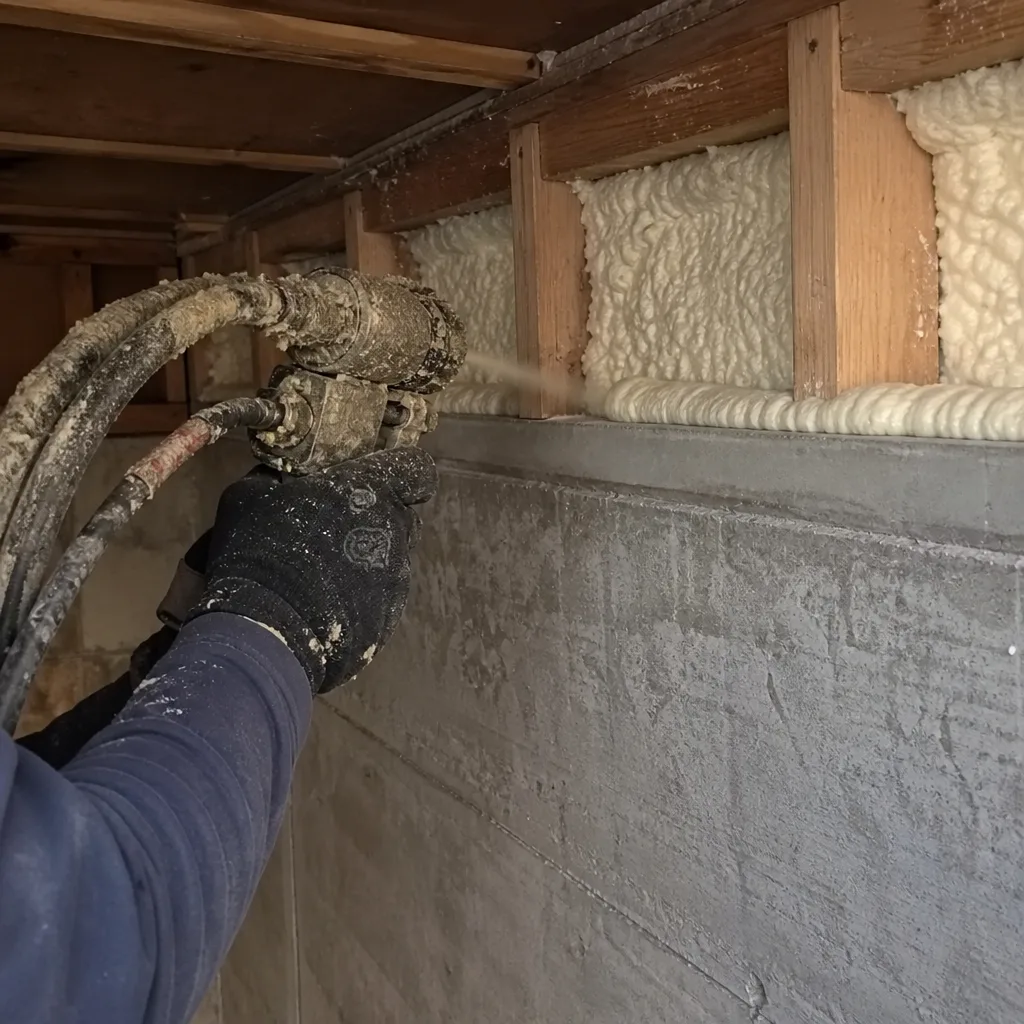
Cleaning is the right moment to seal the gaps that Morongo Valley attics always seem to have: plumbing chases, wiring penetrations, and gaps where interior walls meet the ceiling. If you’re going to add new insulation, sealing those air leaks first is the difference between an upgrade that works and one that just costs money. A clean, sealed attic is also a far safer workspace for our crew and a far less attractive environment for pests.
What happens when you call
- 1
A real person answersNo phone trees — you reach a local pro.
- 2
You get an upfront price rangeHonest numbers before anyone is dispatched.
- 3
A background-checked tech heads outLicensed & insured, dispatched right away.
- 4
You approve before work beginsNothing starts until you say go.
Attic Mold Removal in Morongo Valley
Attic Mold Removal in Morongo Valley gets complicated by one thing: wind-driven rain. When canyon wind pushes rain sideways under the eaves and around roof edges, moisture gets where flashing and shingles were never designed to stop it. Add warm attic air meeting cool roof deck at night, and you get condensation. Mold follows. In Morongo Valley, attic mold removal costs between $2,000 and $6,000 for a typical 1,000 to 1,500 square-foot attic, depending on the extent of coverage and whether decking needs treatment or replacement.
Wind-Driven Moisture Intrusion
We look first at the gable ends and the eave edges, which is where Morongo Valley’s wind punches moisture past imperfect seals. We check the roof deck for staining and check the insulation itself, because mold feeds on the paper facing of old fiberglass batts. The fix isn’t just spraying bleach and walking away. The moisture source has to be found and stopped, or the mold returns with next season’s winds.
Treatment, Removal, and Prevention
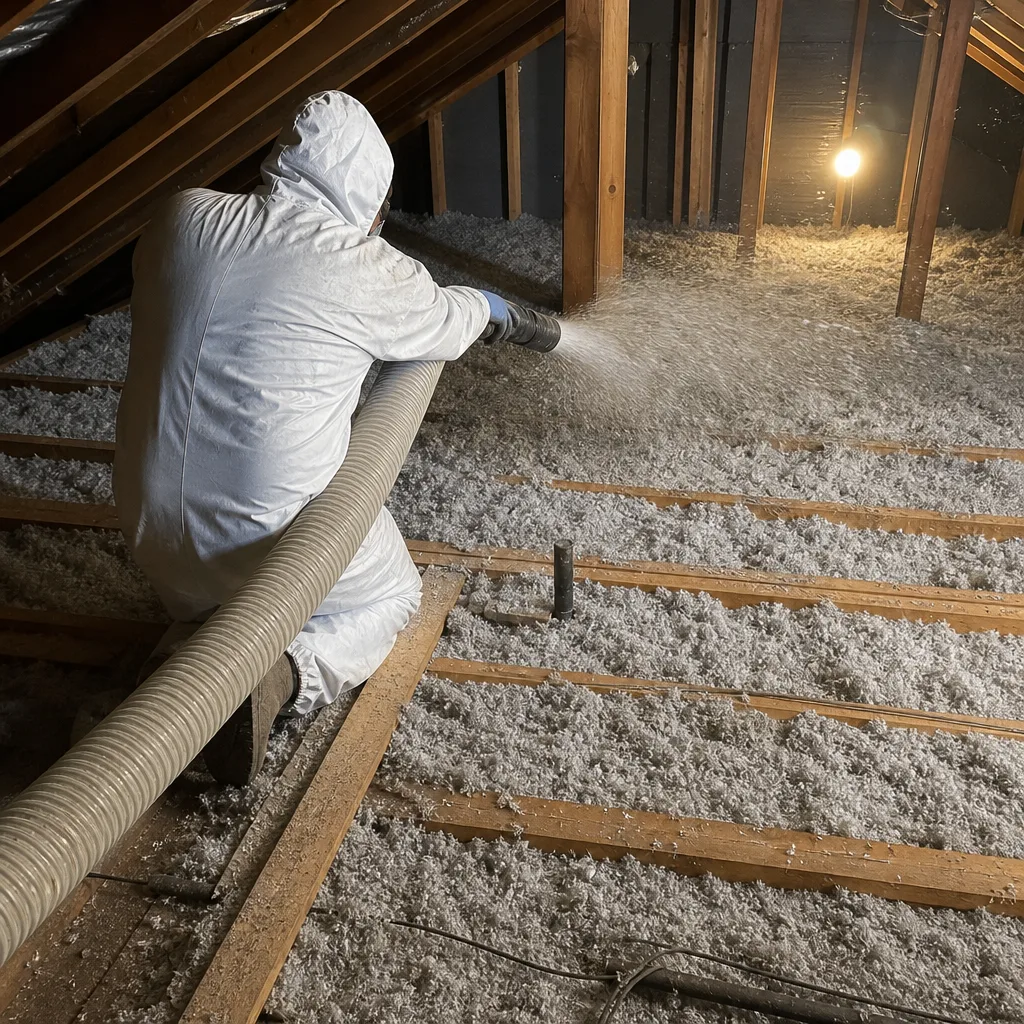
When we find mold, we ventilate properly, remove contaminated insulation, treat the decking with the right antimicrobial product, and then prep the attic for new insulation that resists moisture better than what was there. In Morongo Valley, we lean toward mineral wool products like Rockwool for sections of the attic prone to dampness; it doesn’t hold water the way fiberglass does and it won’t feed mold. The whole job takes two to four days for a typical cabin attic, and we document everything so you know what was done.
Trusted Brands We Service in Morongo Valley
We carry Owens Corning, Johns Manville, and GreenFiber for Morongo Valley homes because each does something specific. Owens Corning fiberglass gives you predictable R-value at a sensible price, which works for standard attics with decent access. Johns Manville offers another solid batt and blown-in option, and we stock it because some crews and homeowners prefer its handling characteristics. GreenFiber is the one we recommend most often in Morongo Valley’s wind-prone attics; it’s a recycled cellulose product that settles into a dense, interlocking mat that resists the scouring that Santa Ana winds do to loose fiberglass. We stock parts and material for Morongo Valley jobs locally when we can, and we bring the rest up the pass with us so turnaround stays fast.
Common Attic Insulation Problems We See in Morongo Valley Homes
- Wind scouring along gable ends. Morongo Canyon acts like a wind tunnel, and after a strong Santa Ana, attic insulation that once covered the whole floor gets shoved into a compressed pile against one end. The roofline edges end up bare, and you lose heat through the exposed ceiling right at the coldest point of the house.
- Original 1950s and 60s batts that have sagged or settled. Many of the cabins and homesteads out here have never had insulation upgraded. The original fiberglass batts, if they were installed at all, are thin, torn, and compressed after sixty years. Their effective R-value is a fraction of what the label says.
- Air infiltration through exposed framing and pier-and-beam floors. A house on piers with open skirting lets cold air move under the floor in winter. That cold air pushes warm air up and out through the attic. Insulating the attic without considering the air path below means you only solve part of the problem.
- Single-pane windows and uninsulated ducts in the attic. We’ve been inside enough Morongo Valley attics to know that the ductwork up there is often uninsulated or poorly sealed. The attic could be insulated to R-38 and you’d still feel the loss through the ducts and windows. A real fix looks at the whole heat path.
Pricing for Attic Insulation in Morongo Valley, CA
A full attic insulation job in Morongo Valley runs between $2,500 and $6,500 for a typical cabin or older home, depending on method and material. Blown-in GreenFiber loose-fill costs about $1.50 to $3.00 per square foot installed. Fiberglass batt insulation runs $2.00 to $3.50 per square foot installed. An Attic Insulation Top-Up where existing insulation just needs additional depth is the least expensive route, typically $1,200 to $2,800 for a 1,000-square-foot attic. Attic Cleaning Services adds $1.50 to $3.00 per square foot on top of any new insulation work, and we always recommend it here where wind has already compacted what’s up there. The high-desert climate, the age of the housing stock, and the wind factor all shape the final number. Call (855) 382-3451 and we’ll give you a free estimate based on your actual attic, not a square-footage guess over the phone.
We Also Serve Cities Near Morongo Valley
Our crews regularly work in Morongo Valley and the surrounding desert communities. We serve Desert Edge, Garnet, Desert Hot Springs, and Yucca Valley, and we know the differences in housing stock and wind exposure across that stretch of Highway 62. The problems in a Yucca Valley tract home are not the same as a Garnet homestead, and we plan accordingly. If you’re in any of those towns and need Attic Insulation done right, the same crew that works Morongo Valley will come to you.
Serving Morongo Valley, CA — Our Local Coverage Area
We’re based in the Morongo Valley area and know this community well. Use the map below to see our service coverage — if you’re nearby, we can almost certainly help.
FAQs About Attic Insulation in Morongo Valley
That’s wind scouring, and it’s the most common attic problem we see in Morongo Valley. When Santa Ana winds come through Morongo Canyon, they push air through the attic through gable vents, eave vents, and any gap in the framing. Loose insulation, especially old fiberglass batts or blown fiberglass, gets lifted and carried toward the downwind side. The result is a dense compressed pile against one gable end and bare ceiling at the other. The fix is installing baffles at the eave vents to redirect airflow, air-sealing the attic floor, and switching to a blown-in material like GreenFiber cellulose that knits together and resists movement. Call (855) 382-3451 and we’ll inspect the scouring pattern and tell you what’s needed.
If the original insulation is 1950s-to-1970s fiberglass that’s compressed, torn, or wind-scoured, repairing it means adding more on top of a bad base. That’s money spent on a compromised system. For cabins near Morongo Canyon, we usually recommend full Attic Insulation Replacement: clean out the old material, air-seal the attic floor, install baffles at the eaves, and blow in new insulation to a consistent depth. The upgrade cost is $2,500 to $6,500 for a typical cabin, and the improvement in winter warmth and summer heat resistance is immediate. You’ll feel the difference in the first week, especially on cold desert nights when the temperature drops twenty degrees after sunset.
Yes, absolutely. Wind-driven rain in Morongo Valley doesn’t fall straight down; it comes in at an angle during canyon wind events and gets pushed under eave edges, around gable vents, and through gaps in older roof flashing. Once that moisture gets into the attic, condensation forms on the underside of the roof deck during cold nights. That’s a mold environment. We find mold on roof decking, on the paper facing of old batts, and on wooden trusses in attics that face the full force of the canyon wind. Attic Mold Removal here runs $2,000 to $6,000, and the key is finding where the water is getting in, not just treating the visible mold. We check the wind-exposed side of the roof first, every time.
Once a year, and twice a year if you’re in the wind path off Morongo Canyon. The telltale sign is uneven insulation: a thick pile against one gable end and a bare stretch at the other. We tell our Morongo Valley customers to pop the attic hatch every fall and every spring, look for gaps, and check for dark staining on the roof deck. If you see any of that, the insulation has been working against the wind and losing. A quick phone estimate at (855) 382-3451 beats waiting until your winter gas bill tells you something’s wrong. Most homesteads need a top-up or a redistribution every five to seven years, and the wind here makes that cycle shorter than it is in town.
Yes, and it’s a point most generalists miss. Manufactured homes have shallow attic cavities, thinner roof decking, and often a belly board or skirting system below that changes how air moves through the structure. Blown-in loose-fill usually works better than batt insulation in these shallow spaces because it conforms to the irregular framing. We also check the belly insulation and rim joists, because air moving under a mobile home will push heat out through the attic no matter how well the roof is insulated. The attic is where most heat leaves a manufactured home, but the fix has to account for the floor below and the walls in between. We’ve worked on enough Morongo Valley mobile homes to know exactly where to look.
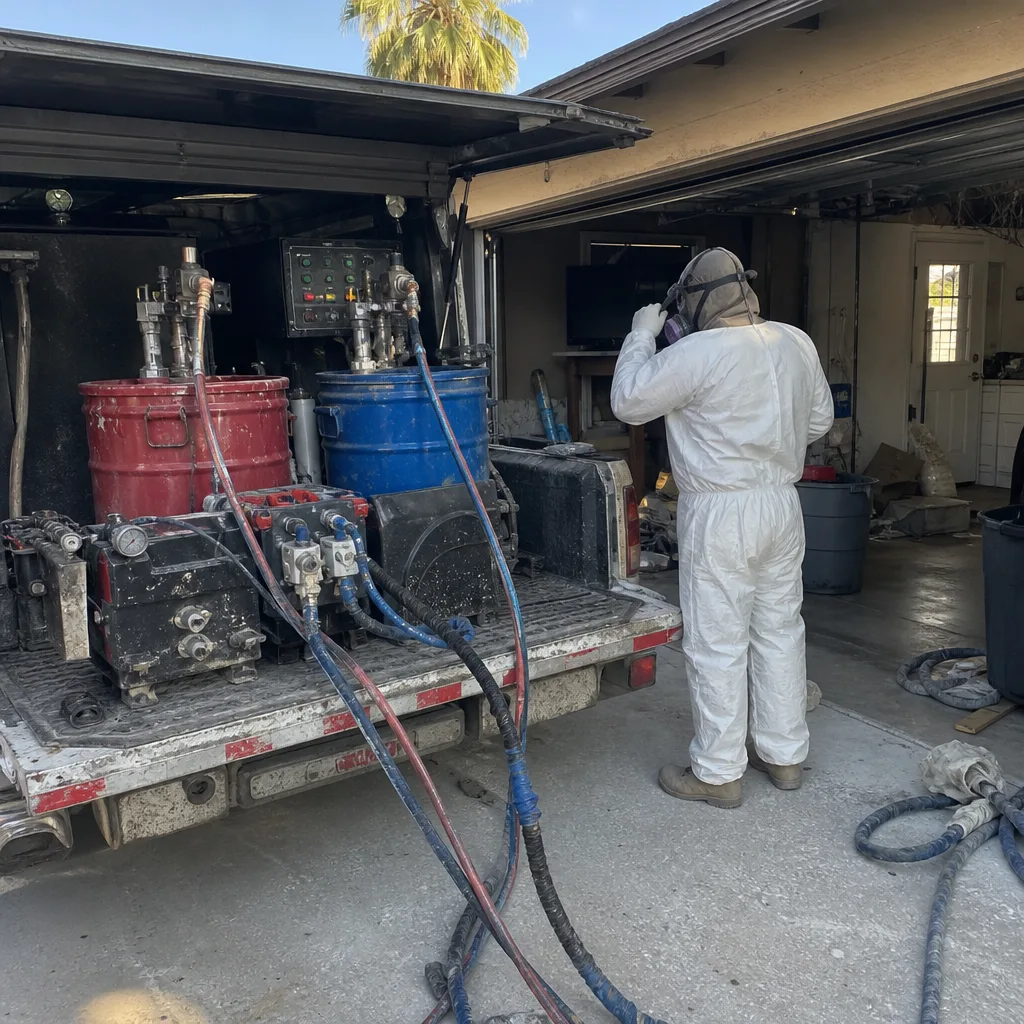
Written by Ruben Castellano, Owner at Thermal Insulation Co. We’ve been serving Morongo Valley and the surrounding desert communities with attic insulation, blown-in insulation, and spray foam for years, and we understand what canyon wind and old desert framing do to a home’s thermal envelope. Call (855) 382-3451 for a free estimate.