
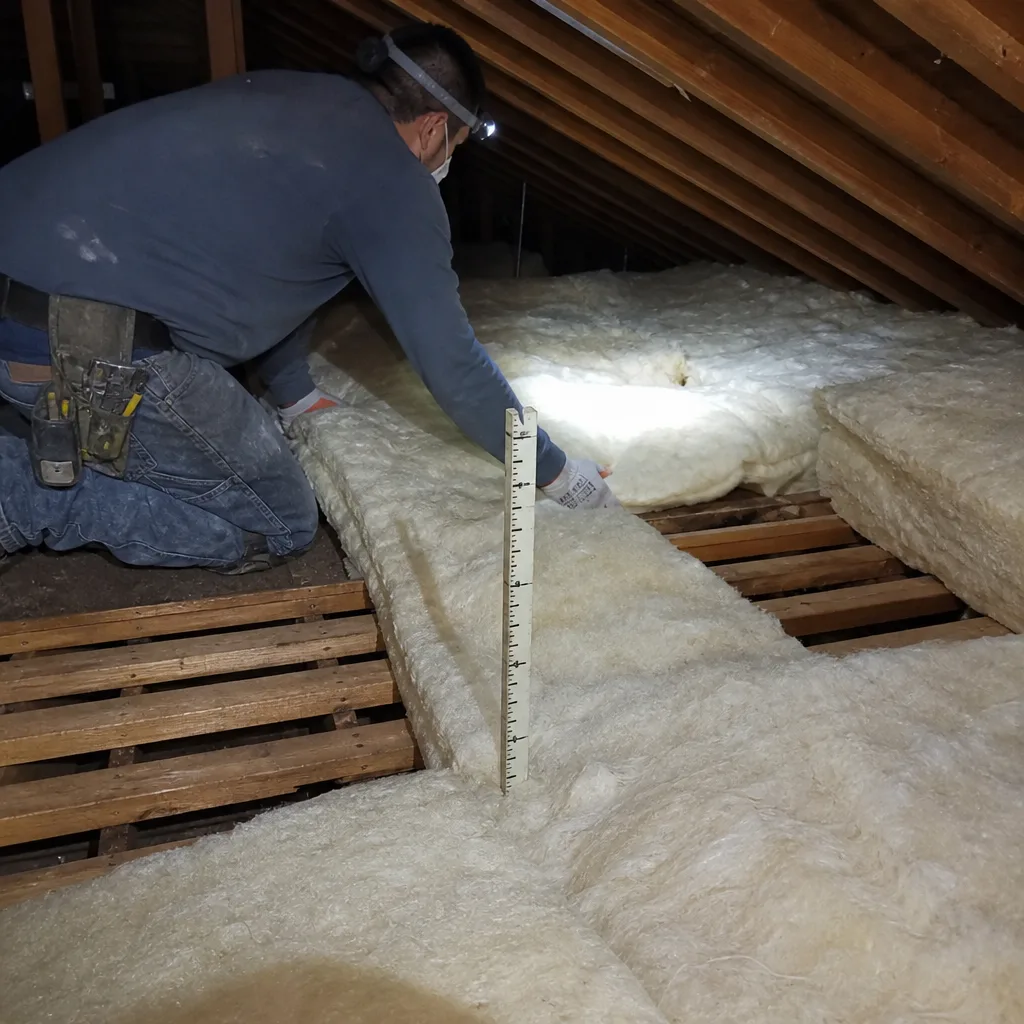
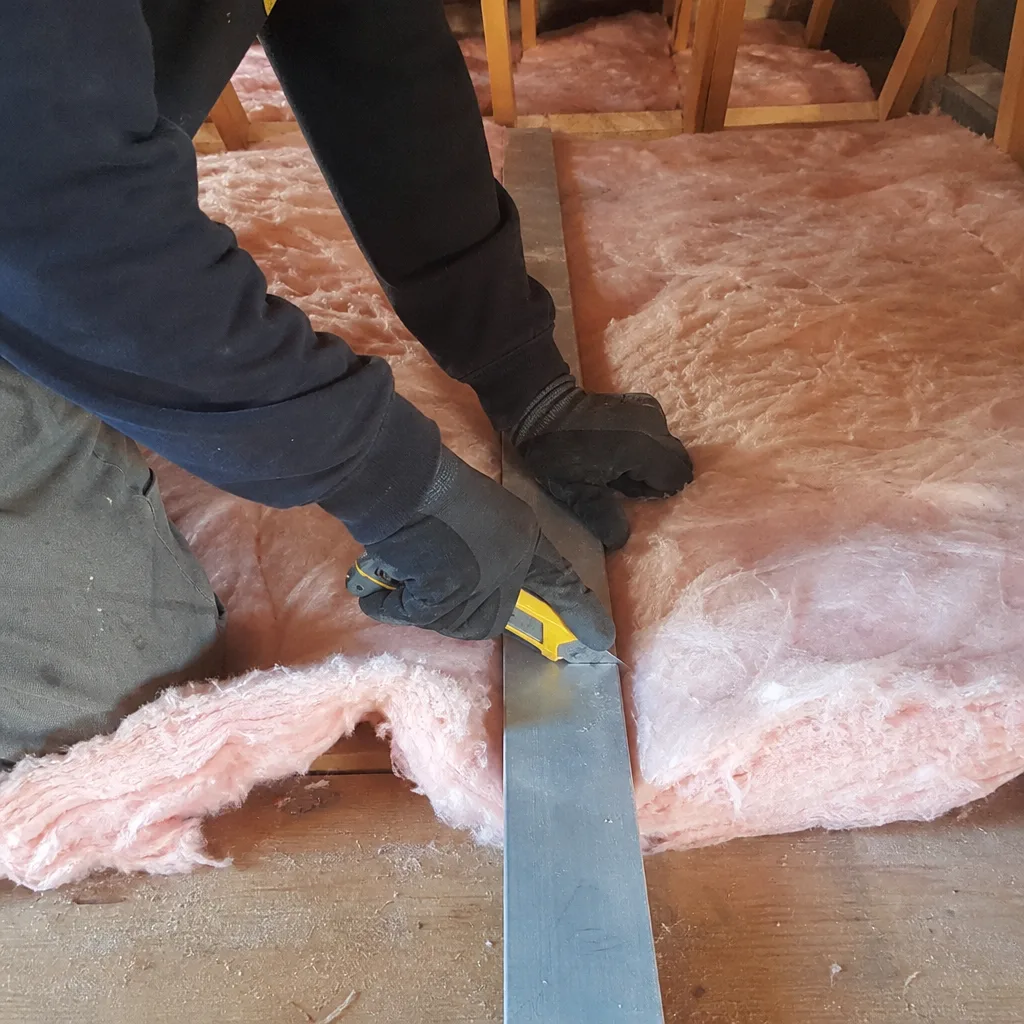
Fast, Reliable Attic Insulation Across Culver City
Attic insulation in Culver City typically costs $2,200 to $5,800 for a full retrofit on the 1920s-1950 homes that dominate the city, with most jobs completed in a single day. The work here isn’t driven by brutal winters or scorching summers the way it is inland. Culver City homeowners call us because aircraft from Santa Monica Airport rattle their ceilings and the I-405 hum never fully fades. We know this housing stock, we know these noise sources, and we know how to spec insulation that actually solves the problem. Call (855) 382-3451 to get a straight answer on what your attic needs.
Why Thermal Insulation Co Is Culver City’s Preferred Attic Insulation Company
This is our specialty, and our Attic Insulation team has worked through enough Culver City attics to know what hides above those lath-and-plaster ceilings. We’re a dedicated insulation contractor. Not a remodeling outfit that sidelines into insulation. Ruben Castellano built this company around one trade because a 1936 Spanish Colonial bungalow in Sunkist Park doesn’t need the same fix as a 2000s tract house in Westchester. Our crews respond to Culver City within 24-48 hours for estimates, and we’ve handled everything from crawlspace-to-attic retrofits to single-room top-ups on Blair Hills properties directly under the SMO departure path.
Culver City homeowners keep calling us because we explain the physics before quoting a number. When we tell you dense-pack cellulose makes more sense than blown fiberglass for your east-facing bedroom wall, we can point to the flight schedules, the stucco thickness, and the condensation pattern in your walls. You’ll find our trucks in 90230, 90231, 90232, and 90233 on a regular basis. Insulated attics are not a side project for us. It’s the entire job.
Attic Ventilation in Culver City
Attic Ventilation in Culver City matters more than most homeowners realize because the marine layer pushes moist air into attic cavities from May through July, and unventilated attics turn that moisture into condensation on the underside of the roof deck. A typical attic ventilation job – intake and exhaust baffle installation, soffit vent clearing, and passive roof venting – runs $450 to $1,200 in Culver City depending on attic size and access. Aged Spanish-style homes often have original vent patterns that made sense in 1930 but starve a modern sealed attic of airflow.
Why Old School Vent Math Fails These Homes
The 1920s-40s bungalows in Culver City were built with passive gable vents and no soffit intake. Add blown-in insulation on the attic floor, and the airflow path gets blocked at the eaves. We install baffles before we blow anything in, otherwise the insulation chokes the vents and the attic cooks. You can’t shortcut this step on Culver City’s west-facing attics.
Marine Layer and Mold Risk
When the June gloom sits over Culver City for three weeks straight, a poorly vented attic holds humidity above 70%. That feeds mold on the wood sheathing and rusts exposed hardware. Proper ventilation keeps the attic dry enough that insulation keeps its R-value and the roof deck doesn’t become a biology project. If you’ve seen white fuzz on the underside of your roof, call us at (855) 382-3451 and we’ll tell you what’s actually happening up there.
Radiant Barrier in Culver City
A Radiant Barrier in Culver City is a reflective foil installed on the underside of the roof deck, and it’s one of the most effective upgrades we do for west-facing stucco homes that absorb afternoon sun through unshaded roof planes. Pricing for radiant barrier installation in Culver City typically runs $1.50 to $2.75 per square foot of attic floor area, or $1,800 to $3,600 for a standard 1,200-square-foot home. The barrier reflects radiant heat before it ever reaches the insulation, which matters here because a 2×4-framed attic with original single-pane windows can hit 140°F by 3 p.m. in August.
Why West-Facing Roof Decks Need It
Culver City’s residential streets run in a grid that leaves thousands of roofs angled southwest, fully exposed from noon to sunset. Without a radiant barrier, the insulation in those attics absorbs heat all afternoon and slowly releases it into living spaces after dark. The barrier cuts that cycle at the source. It’s not a replacement for insulation. It works alongside it.
The Lath-and-Plaster Complication
Installing radiant barrier in a 1930s attic with lath-and-plaster ceilings requires more care than in a newer drywall home. Every staple point, every penetration through the ceiling plane, sends dust down into the rooms below. We tarp and seal before we start, and we move slower through these attics than we would in a 1990s build. The result is the same. The process is not.
Trusted Brands We Service in Culver City
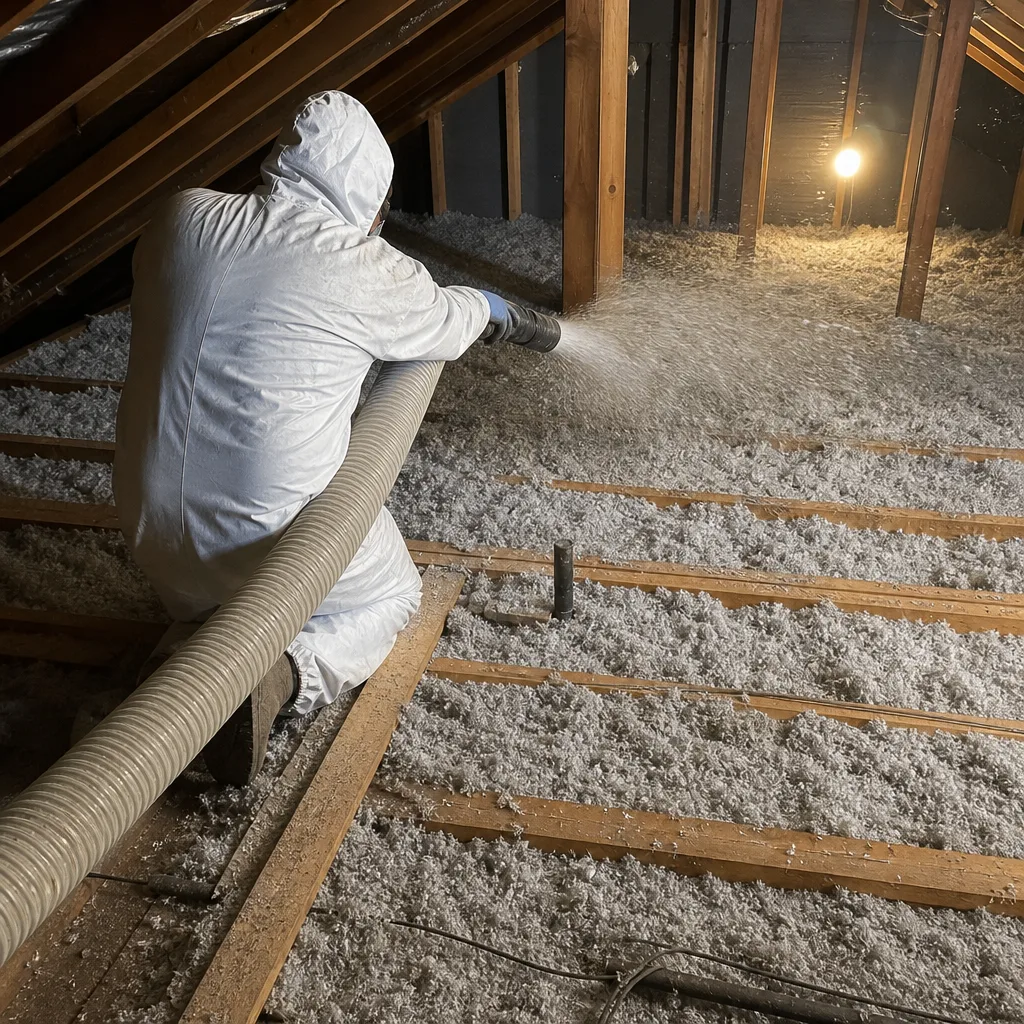
We carry GreenFiber because Culver City’s damp winters and noise-driven retrofits call for dense-pack cellulose that fills irregular lath-and-plaster cavities better than batts ever will. We carry Owens Corning because their blown fiberglass performs consistently across Culver City’s range of attic shapes, including the converted garages and room additions that wreck normal insulation cavities. And we stock Johns Manville batt products for standard open attics where a straightforward R-38 or R-49 job is all the home needs. Having all three within reach means we don’t force one product line onto a house that needs another. Local parts and materials are available to our Culver City crews without a multi-day warehouse wait.
Common Attic Insulation Problems We See in Culver City Homes
- Empty wall cavities under the flight path. Houses built between 1920 and 1950 in Sunkist Park and Blair Hills often have completely uninsulated exterior walls. Aircraft noise from Santa Monica Airport’s departure corridor comes through those cavities nearly unfiltered, and no amount of attic insulation fixes it until the walls are dense-packed.
- Air leakage through original ceiling planes. Lath-and-plaster ceilings from the knob-and-tube era were never air-sealed. Marine-layer moisture and I-405 road noise travel straight through the gaps around ceiling fixtures, top plates, and old vent penetrations. Insulation laid on top of an unsealed ceiling just filters the air, it doesn’t stop it.
- Converted garages with no thermal boundary. Culver City has a high number of garage-to-living-space conversions from the 1950s-70s. The attic above a converted garage often has no insulation at all, or a thin layer of compressed fiberglass that does nothing. These spaces become the hottest rooms in the house by mid-afternoon.
- West-facing attics with cooked insulation. Stucco homes on streets like Higuera and Braddock that face southwest get direct sun on the roof deck for six-plus hours a day. Without a radiant barrier, the attic insulation absorbs that heat and radiates it down into bedrooms and living spaces long after sunset.
Pricing for Attic Insulation in Culver City, CA
Here are the ranges we see on Culver City jobs. A full attic insulation replacement on a 1,000-1,500 square foot home runs $2,200 to $4,800 depending on the existing insulation’s condition and the access type. Blown-in attic insulation for the same size runs $1,800 to $3,400. An attic insulation top-up (adding R-19 to R-38 on top of existing fiberglass) runs $900 to $1,800. Radiant barrier installation runs $1,800 to $3,600. Attic baffle and ventilation prep runs $450 to $1,200. Your exact number depends on attic square footage, access difficulty, and whether the ceiling plane needs air sealing first. Estimates are free, and we’ll walk the attic with you before we quote anything. Call (855) 382-3451 for a precise number on your Culver City home.
We Also Serve Cities Near Culver City
Our crews work throughout the Westside, from the tree-lined streets of Ladera Heights to the dense condo clusters of Century City, the coastal humidity of Venice, and the larger hillside properties in Beverly Hills. If your home sits in one of these nearby communities, the same team that handles Culver City attics can reach you just as fast. We know the building stock and the noise patterns across this whole basin.
Serving Culver City, CA — Our Local Coverage Area
We’re based in the Culver City area and know this community well. Use the map below to see our service coverage — if you’re nearby, we can almost certainly help.
FAQs About Attic Insulation in Culver City
The weather is mild, so temperature control is rarely the main reason Culver City residents call us. Aircraft noise from Santa Monica Airport and road noise from the I-405 are the real drivers, especially in 90232 homes under the flight path. The second most common reason is condensation and moisture control during the damp winter months, when uninsulated walls and ceilings hold moisture against lath and plaster. An attic insulation upgrade addresses both, but you need the right material and the right air sealing for it to work. Call (855) 382-3451 and we’ll tell you what’s actually going on in your attic before we quote a fix.
Yes, it’s done carefully and with specific methods. We work from the attic side, which means the lath-and-plaster ceilings stay intact below. The key is slow, deliberate work: we air-seal from above, place baffles without dislodging ceiling plaster keys, and use dense-pack techniques that don’t vibrate or hammer the framing. Dust is the real enemy, so we tarp, seal, and run negative air when needed. The finished attic has new insulation, and the rooms below look exactly as they did before.
It matters differently here. In Culver City, the marine layer is a bigger player than temperature extremes. Morning fog and low clouds from May through July push humid air into attic cavities, and without proper intake and exhaust ventilation, the moisture condenses on the roof sheathing and insulation. That condensation degrades fiberglass effectiveness, feeds mold, and rots the wood deck over time. Proper ventilation in a Culver City attic is not optional if you want the insulation to keep working.
A radiant barrier reflects solar heat away from the attic before it reaches the insulation. On a west-facing Culver City roof that gets direct sun from noon to sunset, the attic can hit 140°F or more in late summer. The insulation absorbs that heat and radiates it down into the home for hours after dark. A radiant barrier on the underside of the roof deck stops most of that heat at the source. It’s installed as a foil layer with an air gap, and it’s one of the highest-impact upgrades for these older stucco homes.
Converted garages in Culver City almost never have a proper thermal boundary above them. The original garage had no attic insulation, and when someone framed in the space and added drywall, the attic above often stayed empty or got a thin layer of compressed fiberglass. That room becomes the hottest in the house in summer and the coldest on winter nights. The fix is to treat the converted garage attic as a separate zone: air-seal the ceiling plane, run proper ventilation, and install insulation to match the rest of the home. Call (855) 382-3451 to schedule an attic walkthrough and we’ll map out exactly what that conversion needs.
If your attic has been ignored since the Roosevelt administration, or if you’re tired of hearing jets at 6 a.m. through your ceiling, call Thermal Insulation Co at (855) 382-3451 today. We’ll inspect the attic, explain what’s actually going on up there, and give you a free, written estimate with no pressure and no vague language. Serving Culver City and the surrounding Westside communities.
Written by Ruben Castellano, Owner at Thermal Insulation Co, serving Culver City attics from our Van Nuys base.