
Fast, Reliable Attic Insulation Across Venice
Attic insulation in Venice, CA typically runs $1,800 to $4,600 for a full retrofit on the city’s older bungalows, with blown-in jobs starting around $1,400 and spray foam running higher. Our crews know the 90291 and 90294 blocks well, from the walk streets west of Abbot Kinney to the canal-adjacent lots off Dell Avenue. Salt air and morning fog change what works here, which is exactly why we treat every Venice attic as a moisture-management problem before we treat it as an R-value problem. Call (855) 382-3451 and we’ll give you a straight answer within a day.
Why Thermal Insulation Co Is Venice’s Preferred Attic Insulation Company
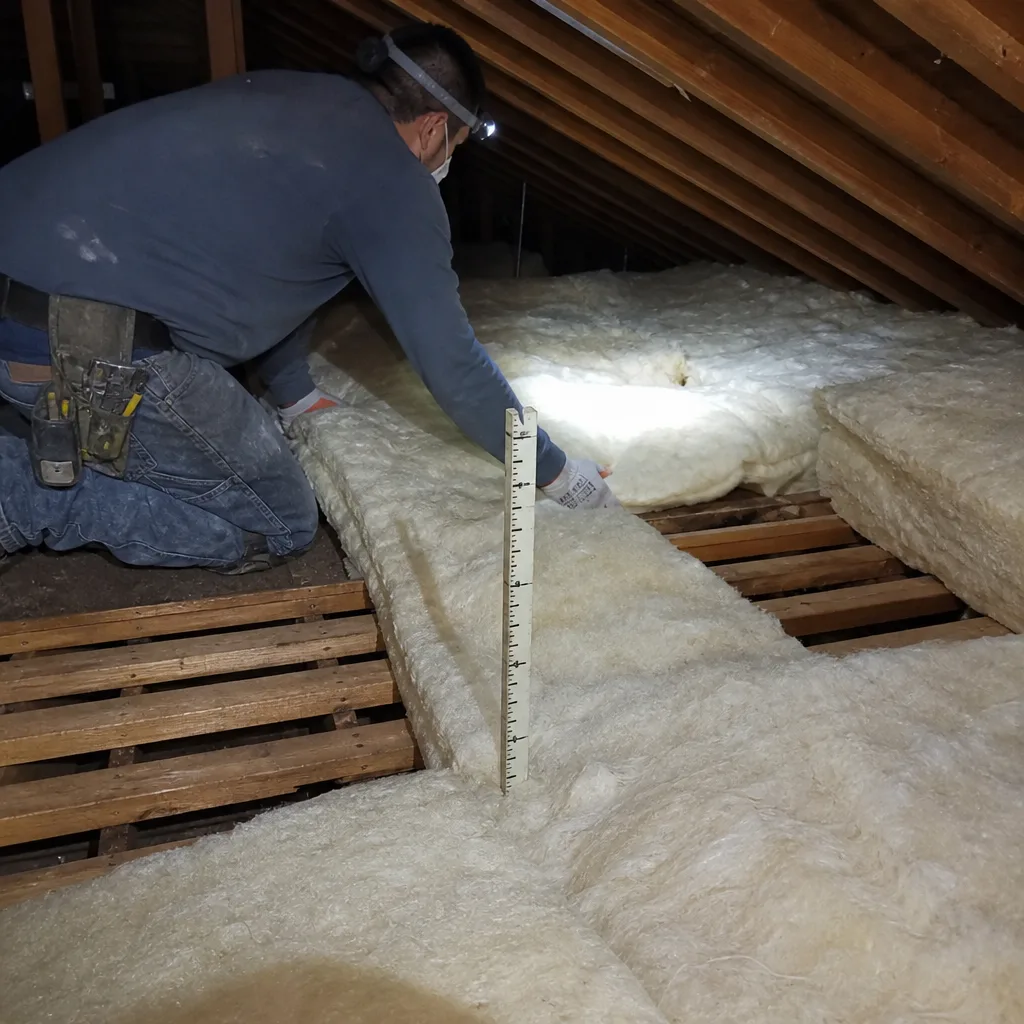
We work on Venice attics every week, so we know what’s behind those pre-1950 stucco walls. Ruben Castellano built Thermal Insulation Co around a simple principle: match the material and method to the structure, not to whatever is sitting in the warehouse. That’s why our Attic Insulation crews carry fiberglass, mineral wool, cellulose, and spray foam systems, and why we’re just as comfortable dense-packing a 1920s Craftsman near Ozone Park as we are air-sealing a mid-century build off Lincoln Boulevard.
We’re a dedicated insulation contractor, not a generalist. That focus matters in Venice, where the wrong material choice – say, unfaced fiberglass against a cold, damp stucco cavity – creates condensation problems that take years to surface. Our customers in Venice include owner-occupants restoring original bungalows and landlords managing older rental stock near Rose Avenue. They call us because we diagnose before we quote.
Attic Ventilation in Venice
Attic Ventilation in Venice is often the real fix behind “cold house” complaints that get blamed on thin insulation. When moist onshore air gets trapped in an attic that was never vented properly, condensation settles into fiberglass and compressed cellulose, dropping effective R-value and inviting mold into ceiling drywall. On older Venice bungalows, our first move is usually to verify intake and exhaust balance, then correct it before any new material goes in. A typical Venice attic ventilation package, including baffled intake near the eaves and passive or powered exhaust, runs $600 to $1,400 depending on roof configuration.
Baffles and Soffit Prep on Venice Roofs
Many Venice roofs have low-slope sections and shallow soffits that complicate standard baffle installs. We cut and install baffles to keep the insulation from blocking the intake path.
Where the original rafter bays are tight or uneven, we prep the soffit openings so airflow actually reaches the upper attic. That detail is what separates a working ventilation system from one that only looks right on paper.
Marine-Layer Condensation and Vent Upgrades
Fog and mist off the Pacific push moisture into attics constantly in Venice. Proper vent upgrades move that air through before it can condense against the underside of the roof deck, which keeps the insulation dry and the roof sheathing intact longer. Homes within a few blocks of the oceanfront need this more than almost anywhere else in the city.
Radiant Barrier in Venice
Radiant Barrier in Venice does one specific thing well: it reflects radiant heat before it soaks into the attic floor and radiates down through the ceiling. But on this side of the 405, it’s a secondary tool rather than the main event, because Venice’s cooling load is modest compared to the moisture load. We recommend it selectively, and only after ventilation and air-sealing are already correct. A radiant barrier install across a typical Venice attic runs $900 to $2,200 for foil-faced sheathing or stapled reflective material over existing insulation.
When a Radiant Barrier Makes Sense Near the Canals
If you have old wood shake or composition shingles with no reflective capacity, and the attic is properly vented and dried, a radiant barrier can knock a real difference off August afternoons. We see the best results on west-facing rooflines and on homes where the attic has been air-sealed first. Without dry conditions, the added interior temperature drop is marginal.
Sequencing a Radiant Barrier With Ventilation
Adding a radiant barrier before fixing ventilation in Venice just means you’ll trap more moist air under the foil. We always sequence it: vents first, moisture check second, barrier third. That order protects the material and keeps any existing insulation from degrading behind the shiny new layer.
Trusted Brands We Service in Venice
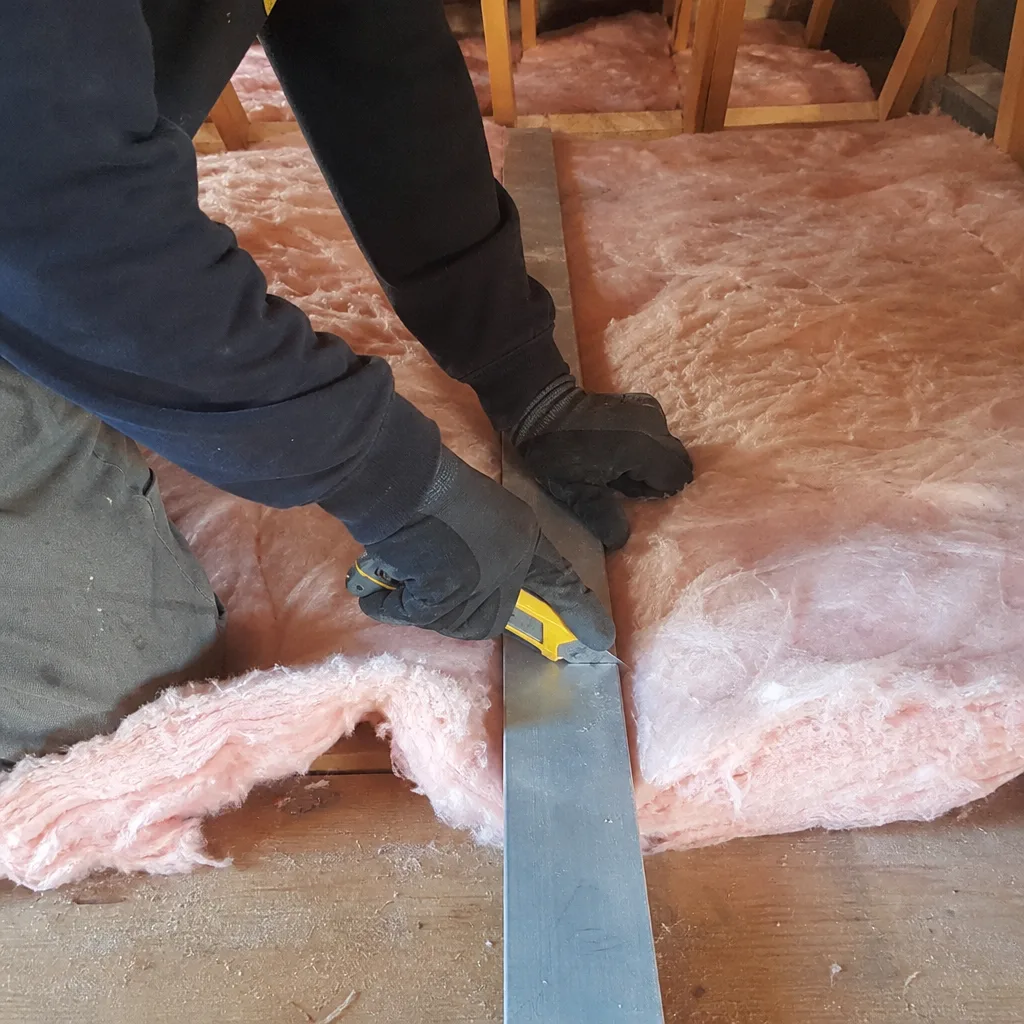
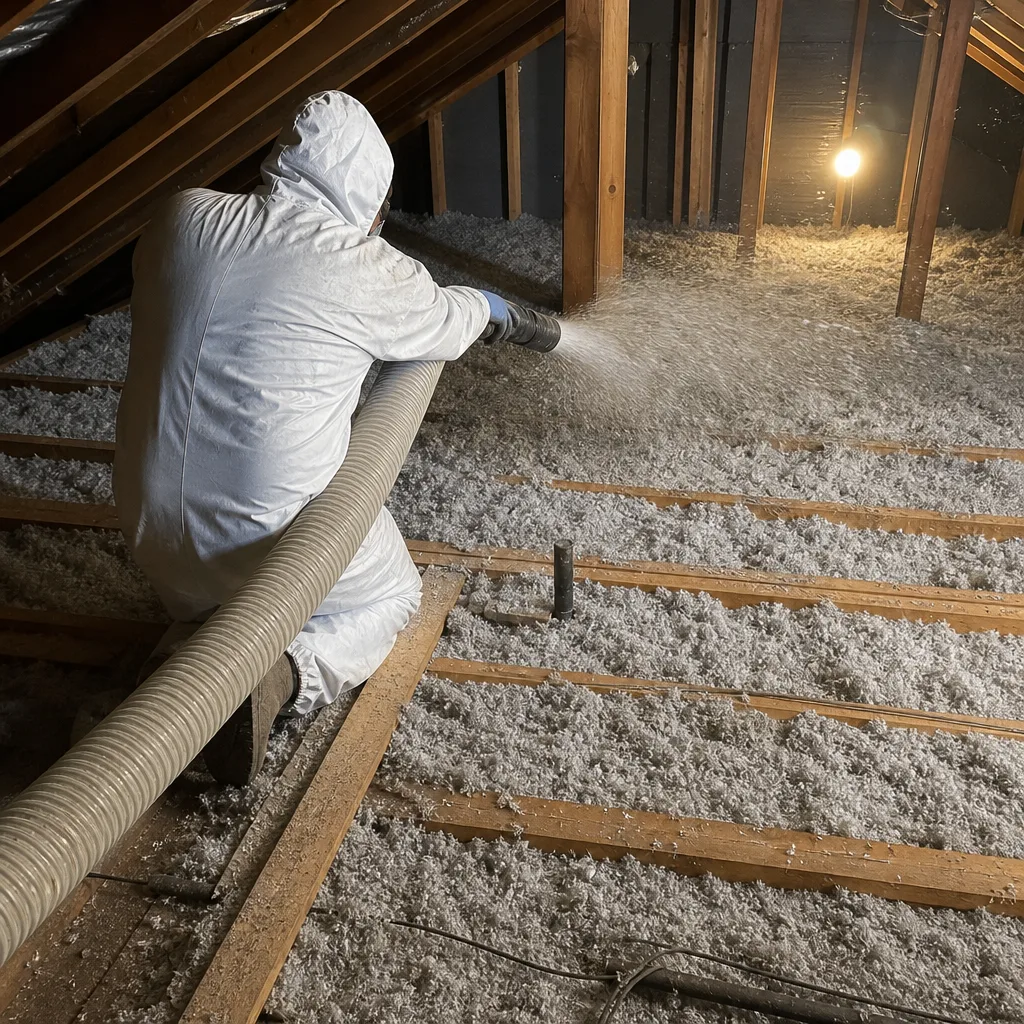
We stock and install product lines from multiple manufacturers so the recommendation follows the house, not our supply chain. For Venice’s moisture-heavy coastal environment, we lean on GreenFiber cellulose for dense-packing older wall cavities where its hygric buffer is an asset. Rockwool shows up on canal-adjacent jobs where moisture resistance and fire ratings matter. When sealing and thermal performance are the priority, we install Demilec open- and closed-cell spray foam. We carry what Venice’s building stock actually needs, so turnaround is fast and we’re never pushing a single brand into a house that calls for something else.
Common Attic Insulation Problems We See in Venice Homes
- Wet, compressed original batts behind exterior walls. The marine layer keeps many stucco bungalows damp on the interior, and the 1920s – 1940s fiberglass that builders installed is often soaked and doing nothing. Adding R-value over it traps moisture instead of fixing the problem.
- Open crawlspaces and unsealed top plates pulling salt air into attics. Venice’s narrow-lot bungalows often have open crawlspaces and gaps where framing meets the ceiling. Onshore flow pushes humid air up through those openings, corroding fasteners and undermining loose-fill performance.
- Condensation against cold stucco walls. Homes without a vapor-aware assembly get blown-in insulation installed, then develop damp ceilings within a couple of seasons. The repetitive “redo the attic” call is almost always a moisture detailing failure, not an R-value shortage.
- Shallow roof pitches leaving no room for standard batts. Venice’s low-slope roofs and tight rafter bays often make standard R-30 or R-38 blanket insulation impossible. Blown-in or spray foam becomes the practical route, especially on pre-war construction.
Pricing for Attic Insulation in Venice, CA
A basic attic insulation top-up in Venice, adding 6 to 8 inches of blown-in fiberglass or cellulose over an existing dry layer, typically runs $1,200 to $2,400 depending on access from the ceiling hatch or through a cramped attic. Full attic insulation replacement, including removing wet or contaminated material and air-sealing, runs $2,800 to $4,600 on the city’s older bungalows. Open-cell spray foam across a Venice attic runs $3,800 to $7,200 and delivers the strongest air-sealing, but it demands a dry substrate first. Batts and mineral wool replacements on the existing rafter bays usually land between $1,900 and $3,600. Every estimate includes a written material recommendation and a moisture assessment, and you’ll get a final number before any work starts. Call (855) 382-3451 for a free same-week assessment.
We Also Serve Cities Near Venice
Our insulation crews run the westside corridor, so we’re on jobs in Venice neighborhoods off Abbot Kinney one day and over in Santa Monica, Culver City, Ladera Heights, and Century City the next. The same coastal moisture rules apply along the shore, and the same eight-brand material range is on the truck wherever the job is. If your home is within twenty minutes of our Venice service area, the commute doesn’t change your price.
Serving Venice, CA — Our Local Coverage Area
We’re based in the Venice area and know this community well. Use the map below to see our service coverage — if you’re nearby, we can almost certainly help.
FAQs About Attic Insulation in Venice
Because the marine layer here keeps many pre-1950 stucco bungalows cold and damp on the interior, so attic crews routinely find wet, compressed original batts that must be removed and the cavities dried before any new R-value goes in. Blowing fiber over a damp substrate in Venice locks the moisture in place, and you’ll be redoing the attic within a few years. We start with a moisture assessment on every Venice job, then remediate, seal, and only then install new material. Call (855) 382-3451 to schedule that first look.
Yes. Salt-laden air accelerates corrosion on fasteners and air-sealing tapes, so we select materials that tolerate humidity and don’t hold moisture against wood framing. Rockwool mineral wool resists moisture and fire, while GreenFiber cellulose handles humidity better than standard fiberglass in dense-packed applications. The brand choice follows the house, not the truck inventory.
In most cases, yes. We dense-pack GreenFiber cellulose into existing wall cavities through small exterior or interior openings, which works well on 1920s and 1930s stucco construction. On the attic floor, blown-in material goes in from the ceiling hatch or a temporary roof access, leaving your walls intact. Each retrofitting route gets the same moisture check first. Call (855) 382-3451 for an exact assessment of your home’s framing.
Usually yes. Venice sits in the marine layer zone with persistent morning fog and high humidity, so the priority is moisture exclusion, condensation control, and air movement rather than maximum R-value. A well-vented attic with modest insulation outperforms a heavily insulated but sealed-tight attic in this climate. That’s the opposite of advice written for inland LA, and it’s why our Venice estimates lead with ventilation rather than bag counts.
It can help in specific situations, but only if the attic is already dry and well-ventilated. A radiant barrier reflects a portion of radiant heat before it soaks into the insulation and works best on west-facing rooflines near the oceanfront blocks. Without prior ventilation and air-sealing, the benefit fades fast, so we sequence it last. Call (855) 382-3451 and we’ll tell you whether your attic would actually benefit.
If your attic in Venice is damp, drafty, or just impossible to keep comfortable, the right fix starts with an honest look at what’s already up there. We’ll document what we find, show you the moisture readings, and quote only the work that follows from the diagnosis. Call (855) 382-3451 for a free estimate, or to talk through whether your 90291 or 90294 home needs ventilation, air sealing, insulation, or all three. Ruben and the crew know these houses because we’re in them every week.
Written by Ruben Castellano, Owner at Thermal Insulation Co, serving Venice since day one.