
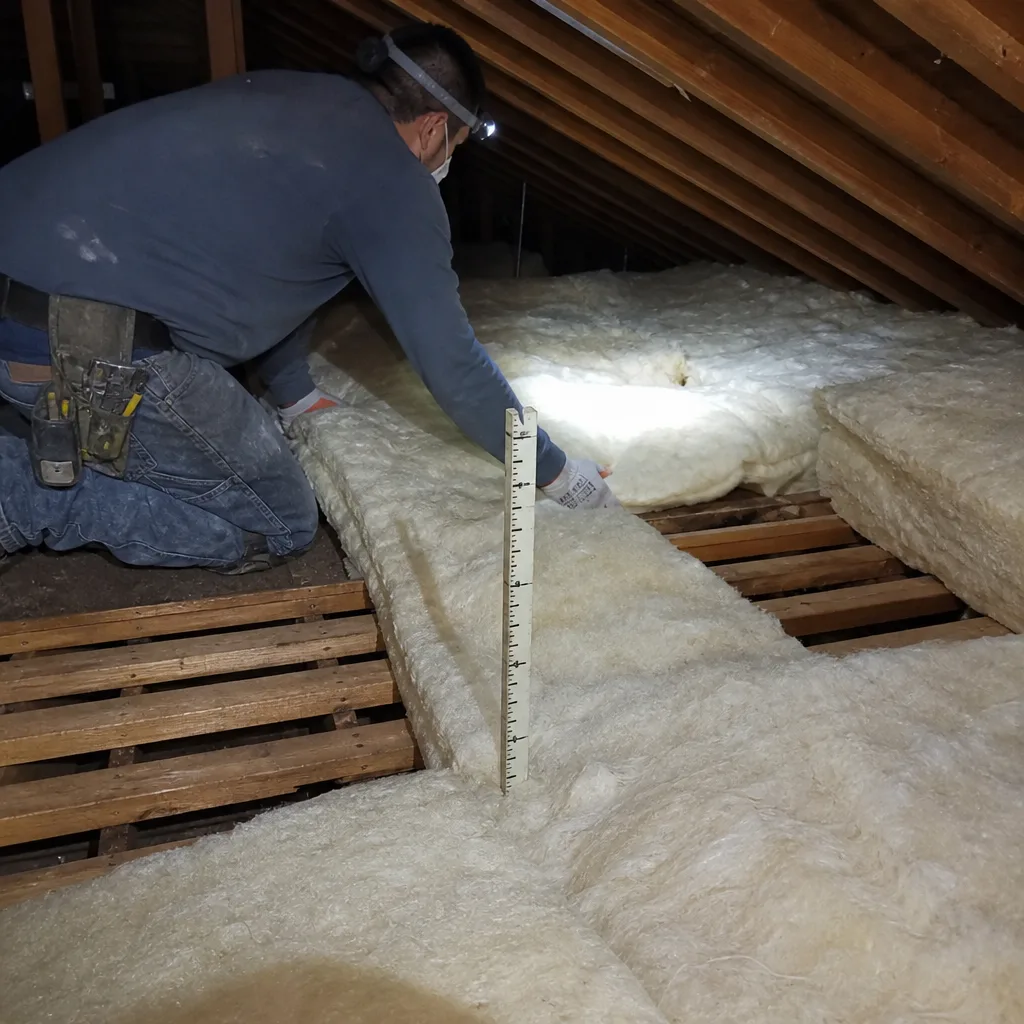
Insulation Company in Rolling Hills Estates, CA
Blown in insulation is the most common fix we perform for Rolling Hills Estates homeowners, and the reason is simple: most homes here were built between the 1950s and 1970s, and their original attic insulation has compressed, shifted, or gone missing entirely. The marine layer off the Pacific adds a complication few inland contractors think about: damp air moves through attics and settles into insulation, which reduces its effectiveness and can lead to condensation problems. We’ve been addressing these specific conditions since 2012, and the right fix here is rarely just “add more.” Call us at (855) 382-3451 to talk through what’s happening in your attic.
Why Rolling Hills Estates Homes Are Different
Rolling Hills Estates sits on the Palos Verdes Peninsula, and the work we do here reflects that geography. Morning fog rolls in off the Pacific and lingers in vented attics, so moisture control matters as much as R-value. On canyon-edge and ridge-edge lots, we routinely find wind-washed insulation: the same prevailing breeze that keeps your patio cool has been pushing through soffit vents for decades, compacting fiberglass at the windward side of the attic. That leaves bays with almost no thermal resistance while other bays stay full. The fix involves sealing and baffling the windward side before any new insulation goes down – skip that step and you’re just laying product over a problem.
The housing stock compounds the challenge. Mid-century ranch and split-level homes on generous hillside lots often have attics that were insulated to 1960s code, if that. Many have vaulted or cathedral ceilings with limited cavity depth, which rules out certain retrofit approaches. And the large lot sizes mean attics are bigger than you’d find in a typical South Bay tract home, so coverage and depth consistency matter. We also work in 90505, the sole ZIP for Rolling Hills Estates, which keeps our scheduling tight and predictable.
Our Main Rolling Hills Estates Services
Two services generate most of the calls we get from Rolling Hills Estates homeowners, and they’re distinct enough that we treat them separately. Here’s what each involves on Peninsula homes.
Attic Insulation in Rolling Hills Estates
Attic insulation is where Rolling Hills Estates homes lose the most conditioned air, and the work here is different from inland Los Angeles County because of the coastal damp that settles into older fiberglass. We inspect the existing depth, check for compression, look for rodent activity (common on wooded hillside lots), and then recommend whether batt replacement, blown-in, or a hybrid approach makes sense for your specific attic geometry. Vaulted ceilings with shallow cavities often require a different product than a wide-open attic floor. See Attic Insulation in Rolling Hills Estates for the full scope of what we do in this city.
Spray Foam Insulation in Rolling Hills Estates
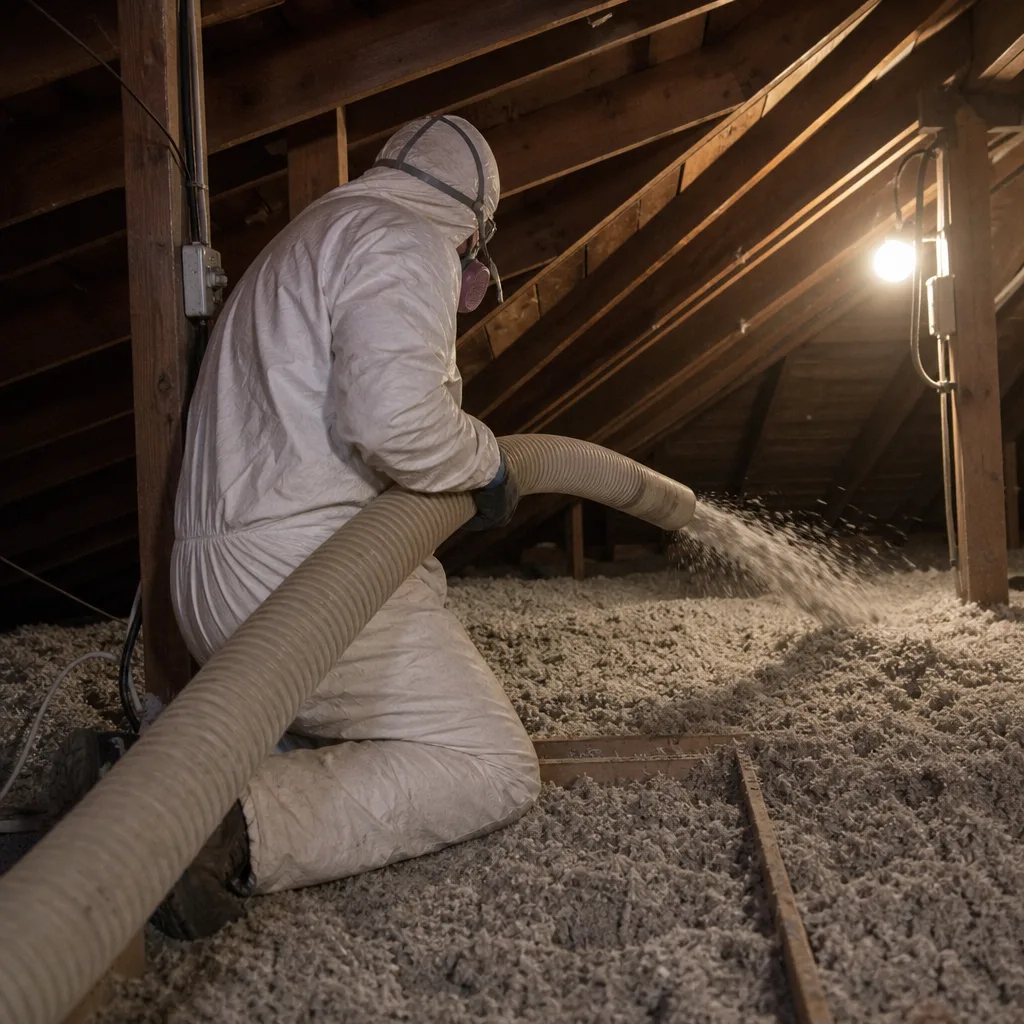
Spray foam earns its keep on Rolling Hills Estates homes in two specific ways. First, closed-cell foam acts as an air barrier, which matters on ridge-edge lots where wind-driven air moves through wall cavities and around recessed lights. Second, it resists moisture, which matters when marine-layer humidity is pressing against your envelope every morning. We install both open-cell and closed-cell systems using Icynene and Demilec, and the choice between them depends on your roofline, your cavity depth, and whether you have a vented or unvented attic. Details are on the dedicated page: Spray Foam Insulation in Rolling Hills Estates.
What happens when you call
- 1
A real person answersNo phone trees — you reach a local pro.
- 2
You get an upfront price rangeHonest numbers before anyone is dispatched.
- 3
A background-checked tech heads outLicensed & insured, dispatched right away.
- 4
You approve before work beginsNothing starts until you say go.
Blown In Insulation in Rolling Hills Estates
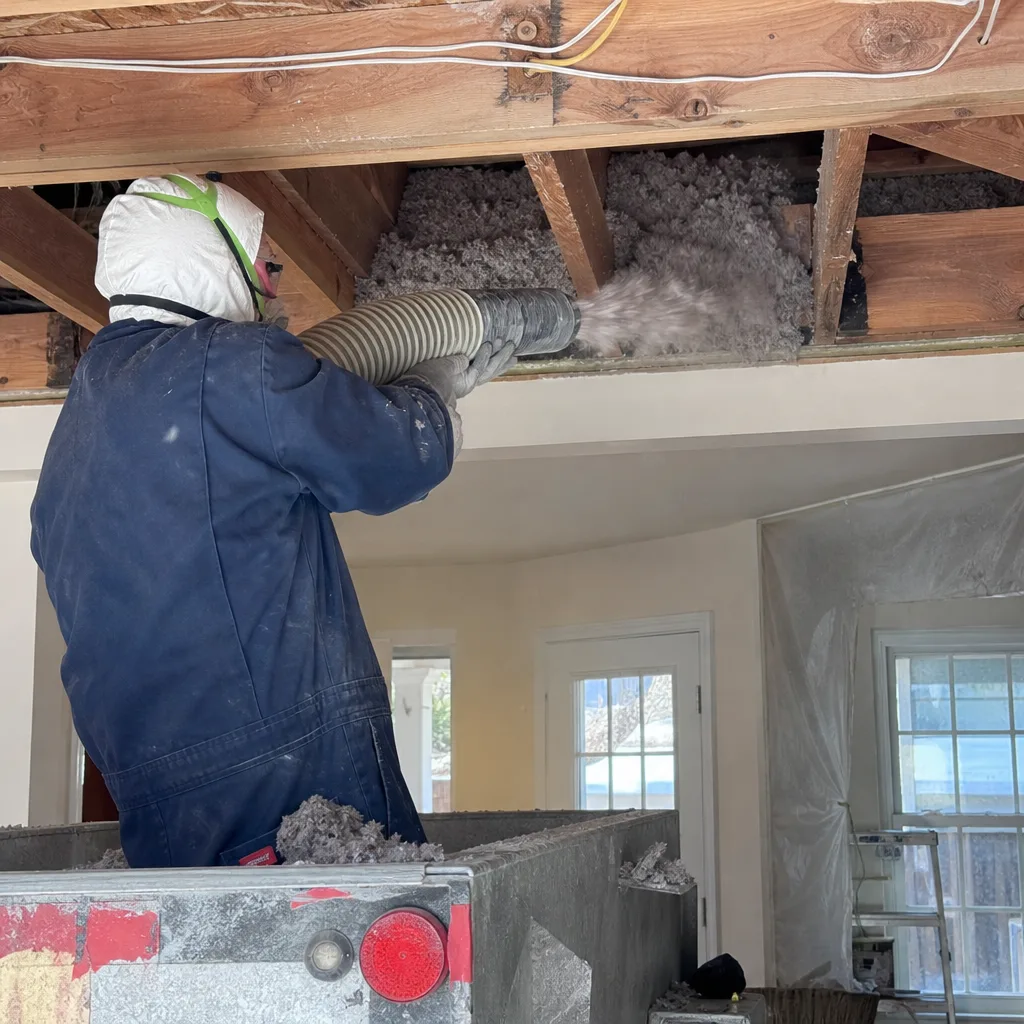
Blown in insulation is the most practical retrofit for most Rolling Hills Estates attics because it fills irregular cavities better than batts, and many of these 1950s-era attics have framing that was never designed for standard batt widths. Loose-fill cellulose or fiberglass can be blown to a consistent depth over existing material or into bays where old insulation has compressed. On Peninsula hillside lots, we often find the existing insulation has been wind-washed on one side of the attic, so the job starts with sealing and baffling before we blow anything. For a deeper look at the method itself, see Blown In Insulation.
Cellulose Insulation
Signs you need it
Your attic has settled or uneven loose-fill, your upstairs rooms run hotter than downstairs, or you want a recycled-content option that tightens the whole attic against air movement.
What it costs in Rolling Hills Estates
Blown-in cellulose in Rolling Hills Estates typically runs $1.20 to $2.40 per square foot installed, which includes prep and cleanup.
How we do it
We air-seal the attic floor penetrations, confirm or install proper baffles at the eaves, and blow GreenFiber cellulose to the target depth for your R-value goal.
Blown In Attic Insulation
Signs you need it
You can see the tops of your ceiling joists through the existing insulation, your heating bills climb every January, or you’ve had a rodent issue that left insulation trampled and matted.
What it costs in Rolling Hills Estates
Blown-in attic insulation for a typical Rolling Hills Estates ranch home usually falls between $1,800 and $4,200, depending on attic size and target R-value.
How we do it
We remove or top-dress the existing material, seal bypasses around plumbing and wiring, install depth markers, and blow loose-fill to a verified, consistent depth across the full attic.
Blown In Fiberglass Insulation
Signs you need it
Your existing fiberglass batts are compressed, damp, or displaced, and you want a loose-fill product that won’t settle as much over time in a deep attic.
What it costs in Rolling Hills Estates
Blown-in fiberglass in Rolling Hills Estates generally costs $1.00 to $2.10 per square foot installed, with total project cost ranging from $1,500 to $3,800 on most homes.
How we do it
We prep the attic with baffles and air sealing, then machine-blow loose-fill fiberglass to the depth that delivers your chosen R-value, checking depth against density charts as we go.
Loose Fill Insulation
Signs you need it
Your attic has shallow or uneven coverage, your home has hard-to-reach corners and odd framing, or the current material has dropped to below the top of the joists.
What it costs in Rolling Hills Estates
Loose fill insulation installation in Rolling Hills Estates runs $1.20 to $2.40 per square foot, including removal of unsuitable existing material when needed.
How we do it
We assess existing depth and condition, seal obvious air paths, set depth markers, and blow loose-fill to an even, measured depth so R-value is uniform across the attic.
What Blown In Insulation Costs in Rolling Hills Estates
| Item | Typical range in Rolling Hills Estates |
|---|---|
| Blown-in cellulose (per sq ft) | $1.20 – $2.40 |
| Blown-in fiberglass (per sq ft) | $1.00 – $2.10 |
| Blown-in attic insulation (total project) | $1,500 – $4,200 |
The biggest cost driver in Rolling Hills Estates is attic prep work: sealing windward-side bays, repairing baffles on canyon-edge homes, and removing matted or damp insulation before new product goes in. Attic size also matters, because large-lot Peninsula homes often have more square footage under the roofline than a comparable South Bay tract house.
Is blown in insulation worth it in Rolling Hills Estates?
Yes, especially in 1950s and 1960s homes where original insulation has compressed or been disturbed. Blown-in fills irregular cavities completely, and on Peninsula homes it lets us seal air paths first, which matters for moisture control. Call (855) 382-3451 for a site assessment.
How long does blown in insulation last in a coastal climate?
Cellulose typically holds its R-value for 20 to 30 years if the attic stays dry and pest-free. Rolling Hills Estates attics need proper baffling and sealing to prevent marine-layer damp from settling into the material. We check for exactly that before every install.
Brands We Service in Rolling Hills Estates
We install GreenFiber cellulose, Owens Corning and Johns Manville fiberglass, and Knauf products across our Rolling Hills Estates jobs. Because we carry competing brands rather than one house line, the material gets matched to your attic’s actual conditions. Most products are stocked locally or available within a day or two, which keeps Peninsula scheduling tight. See our brands for the full lineup.
Pricing for Insulation Company in Rolling Hills Estates, CA
| Service | Typical range in Rolling Hills Estates |
|---|---|
| Blown-in cellulose (per sq ft) | $1.20 – $2.40 |
| Blown-in fiberglass (per sq ft) | $1.00 – $2.10 |
| Blown-in attic insulation (total project) | $1,500 – $4,200 |
| Loose fill insulation (per sq ft) | $1.20 – $2.40 |
| Attic insulation (typical retrofits) | $1,500 – $4,500 |
| Spray foam insulation (open-cell, per sq ft) | $0.50 – $2.00 |
| Spray foam insulation (closed-cell, per sq ft) | $1.00 – $3.00 |
What pushes price up here is attic geometry and condition: vaulted ceilings with shallow cavities, rodent damage in wooded hillside areas, and wind-washed insulation that requires extra sealing work all add labor. We quote upfront and the price on your proposal is the price you pay – no add-ons discovered mid-project.
Neighborhoods We Serve in Rolling Hills Estates
We work throughout the city, including the canyon-side streets off Palos Verdes Drive East and the ridgeline properties near Empty Saddle and Chandler Preserve. Our typical response for a Rolling Hills Estates estimate is 24 to 48 hours, with installation usually scheduled within one to two weeks.
- Palos Verdes Drive East corridor
- Empty Saddle area
- Canyon-edge lots near Chandler Preserve
- Hillside ranch neighborhoods above Crenshaw
- Ridge-top properties off Crest Road
Service Area – Cities Near Rolling Hills Estates
Thermal Insulation Co serves Rolling Hills Estates and the surrounding South Bay and Peninsula communities. Homeowners in Palos Verdes Estates, CA, Torrance, CA, Lomita, CA, and Manhattan Beach, CA call us for the same brand range and method expertise we bring to Rolling Hills Estates attic jobs.
Serving Rolling Hills Estates, CA — Our Local Coverage Area
We’re based in the Rolling Hills Estates area and know this community well. Use the map below to see our service coverage — if you’re nearby, we can almost certainly help.
FAQs About Insulation Company in Rolling Hills Estates
Most attic insulation retrofits in Rolling Hills Estates don’t require a city permit, but if we’re altering ventilation, adding baffles through the roof deck, or touching anything structural, the scope changes. Peninsula cities have specific interpretations of the California Energy Code. We confirm permit requirements on a per-project basis before work starts.
Most Rolling Hills Estates estimates happen within 24 to 48 hours of your call. Installation typically starts within one to two weeks, unless you’re on a canyon-edge lot with complex prep work, in which case we may schedule a follow-up site visit first. Same-week starts are sometimes available when our crew is already in the 90505 area.
Some Rolling Hills Estates neighborhoods have architectural review requirements for visible work, but attic insulation is almost always interior and falls outside HOA design review. If your project includes roof venting changes or anything visible from the street, we’ll flag it early so you know what your HOA, if any, needs to see. Call (855) 382-3451 and we’ll walk through your specific property.
What happens when you call
- 1A real person answersNo phone trees — talk to a local insulation pro.
- 2You get an upfront price rangeHonest numbers before anyone is dispatched. No surprises.
- 3A background-checked tech heads outLicensed & insured, typically same-day.
- 4You approve before work beginsNothing starts until you say go.
What Rolling Hills Estates Customers Say
"Handled the utility rebate paperwork, which knocked a real amount off the final cost."
— Chris Kowalski"Plastic laid from the front door to the attic hatch and they vacuumed the hallway afterward."
— Gabriela Rodriguez"Work is good and the house is noticeably more comfortable. There was insulation debris left in the hall closet under the attic access that I had to clean up."
— Maya Singh