
Reflectix Insulation in Citrus, CA | Thermal Insulation Co
We install, repair, and replace Reflectix radiant barrier and reflective insulation across Citrus (91702). The one thing that makes our Reflectix work different here comes down to how this valley heat punishes foil: in Citrus, we routinely find Reflectix stapled flat against roof sheathing in post-WWII tract homes, where 150°F attic temperatures delaminate the foil and turn a reflective product into a heat sink. We’re an independent contractor, not authorized or sponsored by Reflectix, but we’ve worked with the product line across the San Gabriel Valley long enough to know exactly where it fails and how to make it perform. If your attic is running hot and your cooling bills keep climbing, call (855) 382-3451 for a straight assessment.
Why Citrus Residents Choose Us for Reflectix Service
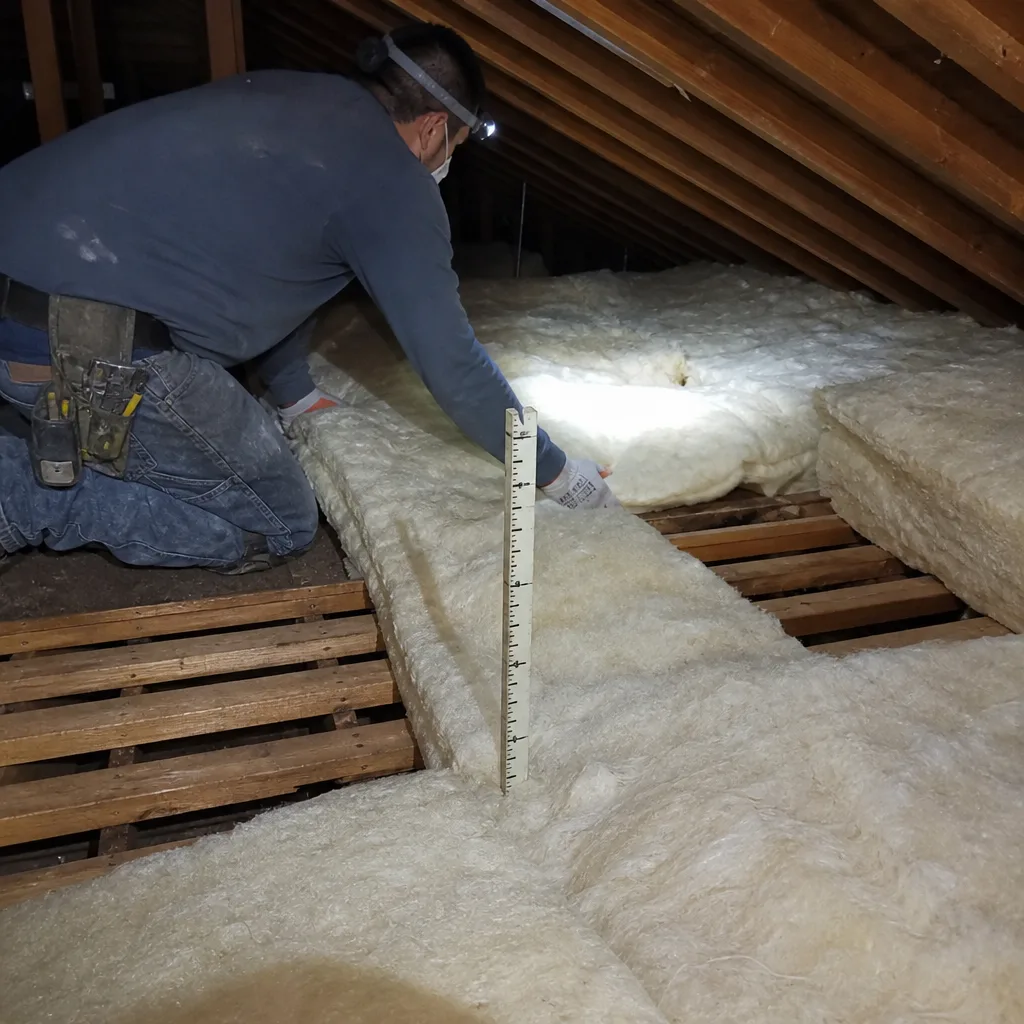
Ruben Castellano grew up in Montebello, not far from the old Montebello Town Center, and studied building science at East Los Angeles College before spending the better part of two decades doing insulation work across the San Gabriel Valley and east Los Angeles corridor, including Reflectix in Azusa. He started Thermal Insulation Co because he kept walking into attics where previous contractors had thrown product at a problem without understanding what the house actually needed. That’s the standard we work to. When a Citrus homeowner asks about Reflectix, we don’t hand them a brochure. We climb into the attic, check the air gap, feel how hot the deck is running, and figure out whether that foil is doing anything or just sitting there collecting dust. We’re a dedicated insulation contractor, not a generalist. Reflectix is one product we know deeply, but it’s one of many, and we’ll tell you honestly if it’s the right call for your roof or if your money goes further with something else. Most Citrus homeowners just want an attic that stops baking. That’s what we deliver.
Common Reflectix Insulation Problems We Solve in Citrus
- Foil delamination from sustained 150°F attic heat: Citrus summers push attic temperatures past 150°F afternoon after afternoon. Over years, the adhesive bond between the foil face and the bubble core breaks down. The foil wrinkles, separates, and loses its reflective surface. We remove failed barriers and replace them with properly gapped assemblies that can actually handle the load.
- Staple pull-out and sagging barriers: Reflectix stapled flush to roof sheathing without an air gap is the most common failure we see in Citrus. The staples work loose as the decking expands and contracts through extreme heat cycles, and the barrier sags against the wood. No air gap means no radiant benefit. We re-tension where possible, but most flat-stapled installs need to come down and go back up correctly.
- Compressed or crushed bubble core in low-pitch tract attics: Many Citrus homes built in the 1940s through 1960s have shallow roof pitches and irregular rafter spacing. Reflectix laid over uneven framing or crammed beneath HVAC ducts and plumbing runs gets crushed. Once the bubble core compresses, the product loses its insulating value and becomes little more than foil-backed plastic. We see this constantly in older Citrus attics.
- Dust and debris fouling the reflective face: Loose-fill insulation and open soffit vents move a lot of dust through Citrus attics. When that dust settles on the foil face, emissivity climbs and the barrier starts absorbing heat instead of reflecting it. A dusty Reflectix surface is not reflective anymore. We assess whether cleaning can restore performance or if replacement is the honest call.
- Condensation and staining on the foil underside: Mid-century Citrus homes often have kraft-faced batt insulation that traps moisture against the underside of a Reflectix barrier. Poor attic ventilation compounds the problem, and the foil develops condensation streaks and water staining. In those cases, the Reflectix is a symptom of a ventilation problem. We address the airflow first, then decide what the foil needs.
Reflectix Service in Citrus: What Local Conditions Mean for Your Equipment
Citrus sits in a San Gabriel Valley heat pocket where attic temperatures commonly exceed 150°F through July and August, and the area’s post-WWII tract and mid-century homes were often built with minimal original insulation. That combination shapes how Reflectix performs here more than any other local factor. A radiant barrier needs an air gap to work. The foil reflects radiant heat across that air space and prevents it from moving into the living area below. Staple it directly against the roof sheathing and you’ve got foil touching hot wood, conduction takes over, and the barrier becomes a heat collector. In neighborhoods off North Citrus Avenue, throughout 91702, and in areas needing Reflectix service in Irwindale, we find exactly this pattern over and over: someone installed Reflectix flush to the deck decades ago, and the homeowner has been paying for it ever since. Once attic temperatures hit 150°F and stay there, the adhesive fails, the foil delaminates, and whatever marginal benefit existed disappears entirely. The fix is not more foil. It’s sequencing: venting first, air gap second, Reflectix third. That order works in Citrus. Reverse it and you’re just buying another failure.
Reflectix Models & Products We Service in Citrus
We install, repair, and replace the full Reflectix line: the Double Reflective Insulation Roll with bubble core, Perforated Radiant Barrier, Reflective Foil Facing for duct work and roof decks, and the pre-cut Insulation Kit panels for attic hatches and knee walls. Our approach on parts is simple. We use genuine Reflectix product when the homeowner wants the known foil-and-bubble performance, and we specify perforated variants and high-temp facings where the attic runs hot, which is most of Citrus from June through September. We stock the common rolls and facings so a standard attic job doesn’t wait on shipping. We’ll also tell you plainly when a Reflectix overlay is not the right move. If your attic has failed or missing insulation underneath, adding foil over it is a waste of your money. Fix the insulation first. Then the barrier earns its keep. Our Reflectix sales & service covers the full product scope, and we match the material to the attic, not the other way around.
Reflectix Service Pricing in Citrus
Every Citrus attic is different, so we don’t quote Reflectix work over the phone without seeing the space. Attic size, roof pitch, existing insulation condition, and whether we’re repairing versus replacing all move the number. A simple re-tension and repair on an intact barrier runs on the lower end. A full removal of delaminated foil, addition of soffit baffles and a ridge vent, and reinstallation of perforated Reflectix over rafters with a verified air gap costs more because it’s not just a barrier job, it’s a ventilation correction. That’s the honest way to price it. We give free estimates, and the estimate spells out what’s included: materials, venting work, insulation replacement if it’s needed, and the air gap spec. There’s no vague line item for “miscellaneous” and no pressure to sign anything on the spot. Call (855) 382-3451 and we’ll walk the attic with you before we quote a dime.
Serving Citrus, CA — Our Local Coverage Area
We’re based in the Citrus area and know this community well. Use the map below to see our service coverage — if you’re nearby, we can almost certainly help.
FAQs – Reflectix Insulation in Citrus
That crinkled, dusty appearance is usually delamination from sustained attic heat above 150°F combined with dust accumulation from loose-fill insulation and open soffit vents. The foil face separates from the bubble core and airborne dust coats the reflective surface, which drops its emissivity sharply. A dusty, delaminated barrier is not reflecting heat, it’s absorbing it. In most Citrus attics, that’s a replacement situation, not a cleaning job. Call (855) 382-3451 for an assessment.
You can add Reflectix over existing insulation if that insulation is still functional and dry. In many Citrus homes, that’s not the case. Aged fiberglass batts in mid-century attics often compress, hold dust, and lose R-value. Loose-fill settles. If the underlying insulation has failed, we recommend replacing it first, then installing the barrier over the rafters with the correct air gap. Putting fresh Reflectix over dead insulation is like mounting new tires on a bent axle. We’ll tell you the truth either way.
Reflectix works when it’s installed correctly: perforated or vented, gapped off the roof deck, and paired with functioning soffit and ridge ventilation. In Citrus summers, where attic temperatures climb past 150°F, a properly installed radiant barrier can drop attic temperatures significantly and reduce the load on your air conditioning. Installed flush to the sheathing with no air gap, it does almost nothing. The product is not marketing. The installation is the difference. We remove failed flat-stapled barriers in Citrus regularly and reinstall them with a verified ¾-inch gap, and homeowners notice the difference within the first hot week.
Yes, but it’s more exacting work. Low-pitch roofs leave less vertical space between the ceiling joists and the roof deck, so we typically run Reflectix under the rafters rather than over the decking, or we use furring strips to create the gap. It’s doable in almost every Citrus home, it just takes care and a crew that knows the geometry. We’ve installed barriers in 1950s ranches with shallow pitches throughout 91702, and the results hold up. The key is the gap, not the pitch.
They do different jobs. Blown-in insulation slows conductive heat transfer through the ceiling. A radiant barrier reflects radiant heat before it reaches the insulation. In Citrus, where the sun beats on the roof for hours, a radiant barrier can reduce the heat load that the insulation has to fight. But the barrier needs an air gap and ventilation to work. More blown-in insulation adds R-value regardless. The right answer for your attic depends on what’s already up there, how hot it runs, and how the ventilation is set up. Call (855) 382-3451 and we’ll walk through it with you at no charge.
Service Areas Near Citrus
We work throughout the San Gabriel Valley and east Los Angeles corridor. In addition to Citrus, we provide Citrus service area coverage and regularly run Reflectix jobs in neighboring communities. Our crews also serve Reflectix service in La Habra Heights for larger homes with steep, complex rooflines where air-gap work gets technical, and Reflectix service in Long Beach for coastal attics facing different moisture and ventilation conditions. If you’re within a few miles of Citrus in any direction, chances are we’re already working nearby.
Book Your Reflectix Service in Citrus Today
If your Citrus attic is running hot and you suspect the Reflectix isn’t doing what you paid for, don’t wait for another 100°F week. Same-day and next-day assessments are available, including Reflectix in Glendora, depending on scheduling. Call (855) 382-3451 for a free estimate, and we’ll get up there and tell you exactly what’s going on. If a room in your house has always been the wrong temperature, there is usually a straightforward reason, and it is worth knowing what it is before spending money on anything.
Written by Ruben Castellano, Owner at Thermal Insulation Co, serving Citrus and the San Gabriel Valley.