
Fast, Reliable Attic Insulation Across Trabuco Canyon
Attic insulation in Trabuco Canyon is a different job than it is in flat suburban Orange County, and your material choice should reflect that. The canyon’s Santa Ana wind pattern pushes embers and fine dust into roof vents, and the temperature swing between baking summer afternoons and cold canyon mornings stresses insulation in ways coastal homes never see. We stock eight insulation brands and install three different methods here because a 1970s cabin in the 92678 core needs something very different from a tract home on the 92679 edge. Call (855) 382-3451 for a free estimate, and we’ll tell you which one actually makes sense for your roof.
Key Takeaways:
- Santa Ana winds drive embers and dust into attic vents, so insulation here must pair with ember-resistant venting and air-sealing.
- Older canyon cabins often have unvented or irregular attic cavities that make standard batt insulation a poor fit.
- The 92678 core and 92679 edge have different housing ages and framing styles, requiring different insulation approaches.
- Mineral wool (Rockwool) and closed-cell spray foam address fire-resistance needs that standard fiberglass does not.
Our Attic Insulation crew runs Trucks through Trabuco Canyon weekly, not quarterly. We know the canyons off Trabuco Canyon Road, the ridgelines above O’Neill Regional Park, and the stretches along Live Oak Canyon Road where cell signal drops and schedules have to adapt. That local familiarity means we quote accurately, show up when we say, and don’t get lost on the way to your ridge.
Why Thermal Insulation Co Is Trabuco Canyon’s Preferred Attic Insulation Company
We are a dedicated insulation contractor. That is the whole trade, not a side service bolted onto an HVAC or roofing company. Ruben Castellano built Thermal Insulation Co around one idea: a homeowner should hear which material fits their home, not which brand a contractor happens to stock. We carry eight manufacturers because Trabuco Canyon homes run the gamut from 1960s canyon cabins to custom builds on the 92679 edge, and no single product line covers that spread well.
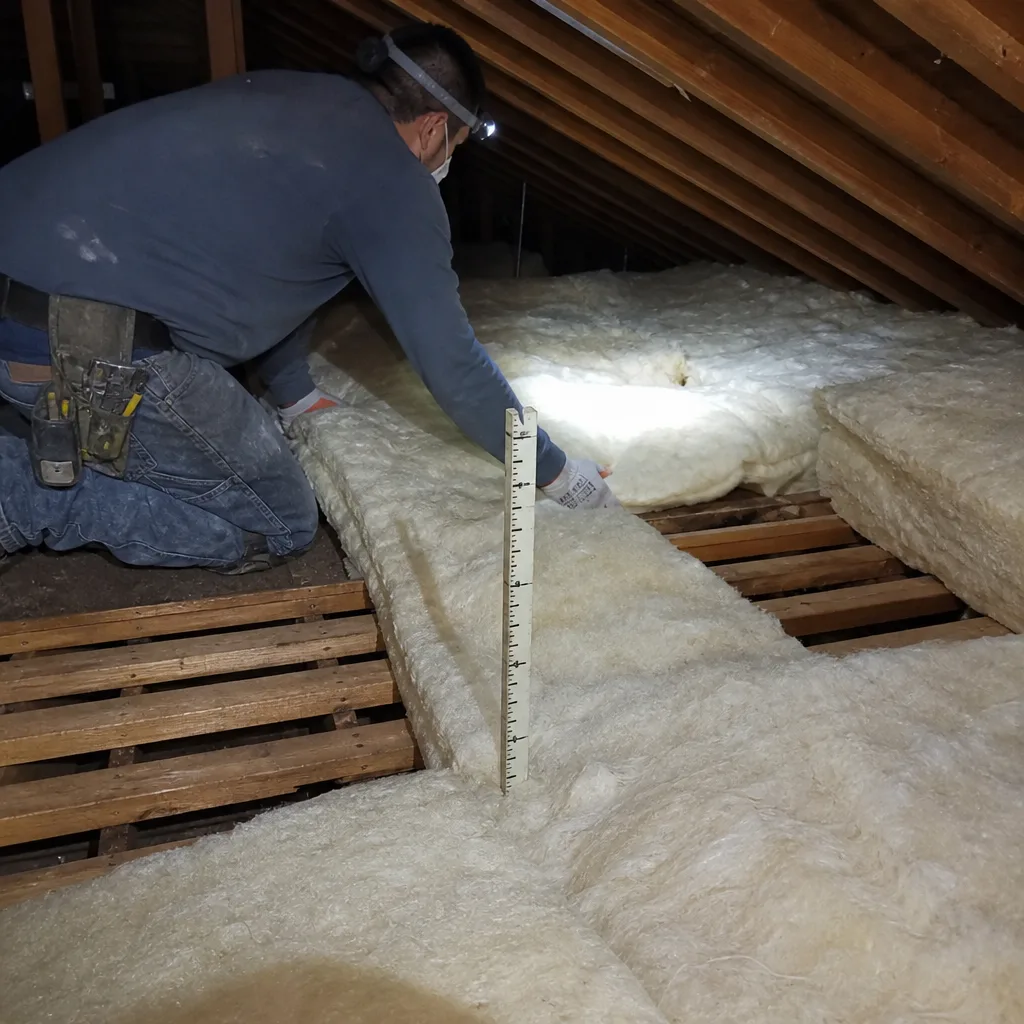
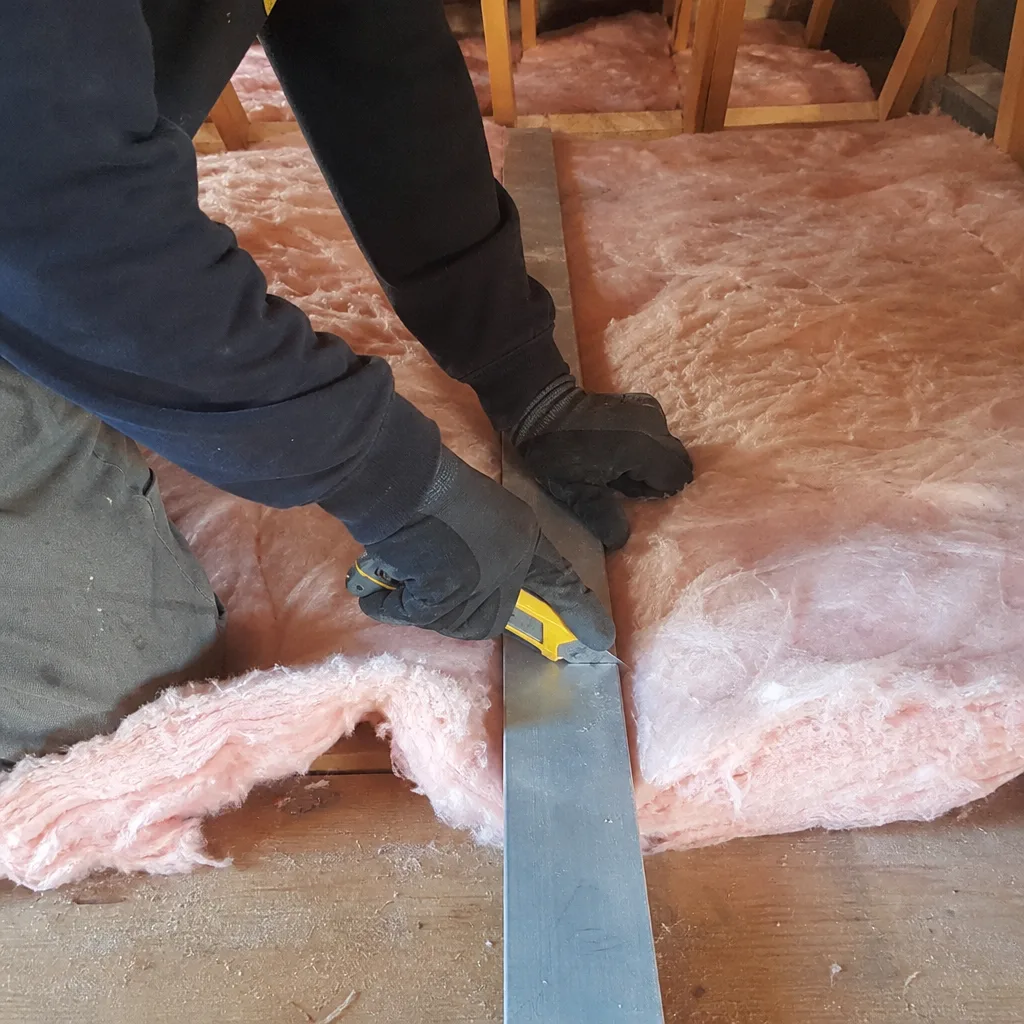
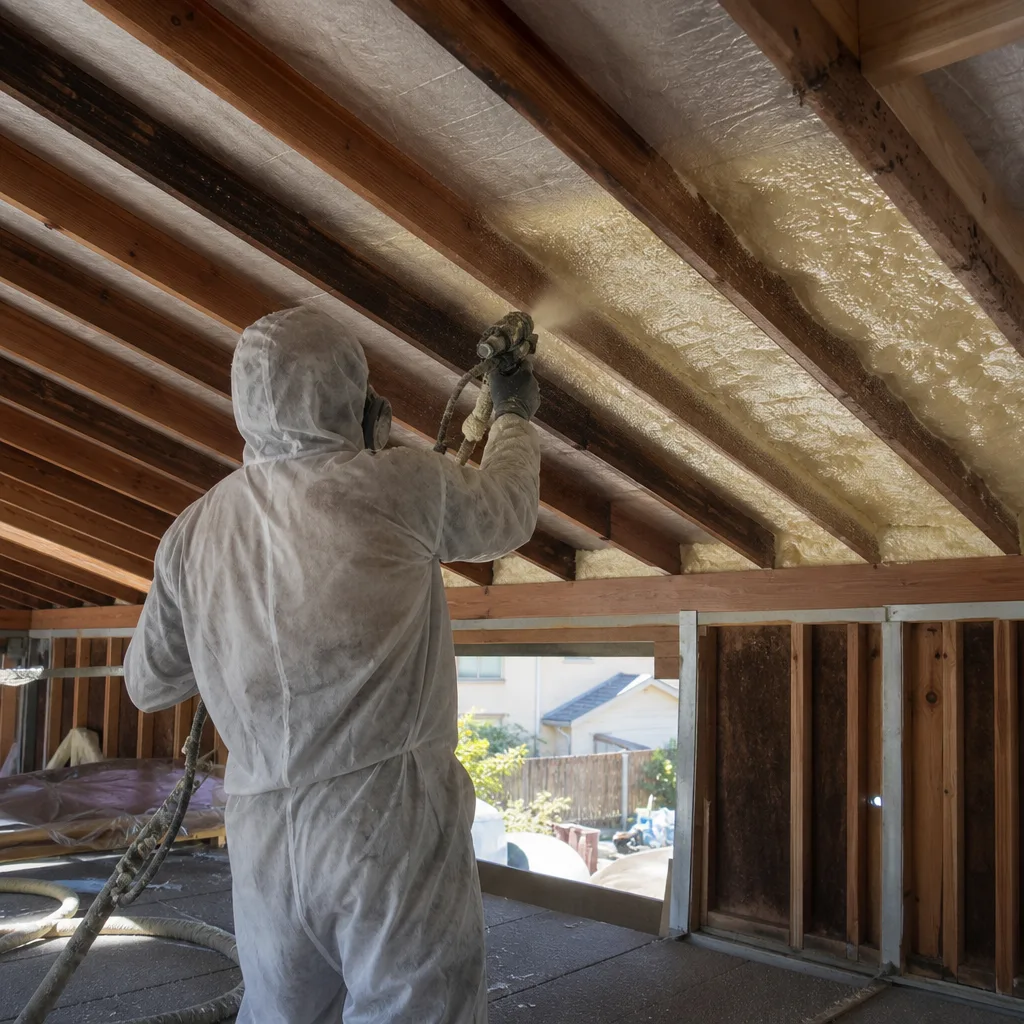
Our track record in Trabuco Canyon comes down to honest method selection. We recommend closed-cell spray foam where wildfire radiant heat and ember exposure are real concerns. We recommend blown-in cellulose where an older home needs dense coverage in irregular cavities. We recommend batts where a straightforward attic with standard framing wants a durable, cost-effective upgrade. Three methods. One specialty.
Response time to Trabuco Canyon from our Van Nuys base is typically same-week for estimates and installation scheduling. We plan our Canyon routes deliberately so we are not charging you travel time for a crew that wandered up from San Diego. Call (855) 382-3451 and we’ll give you a straight answer on when we can be there.
Attic Cleaning Services in Trabuco Canyon
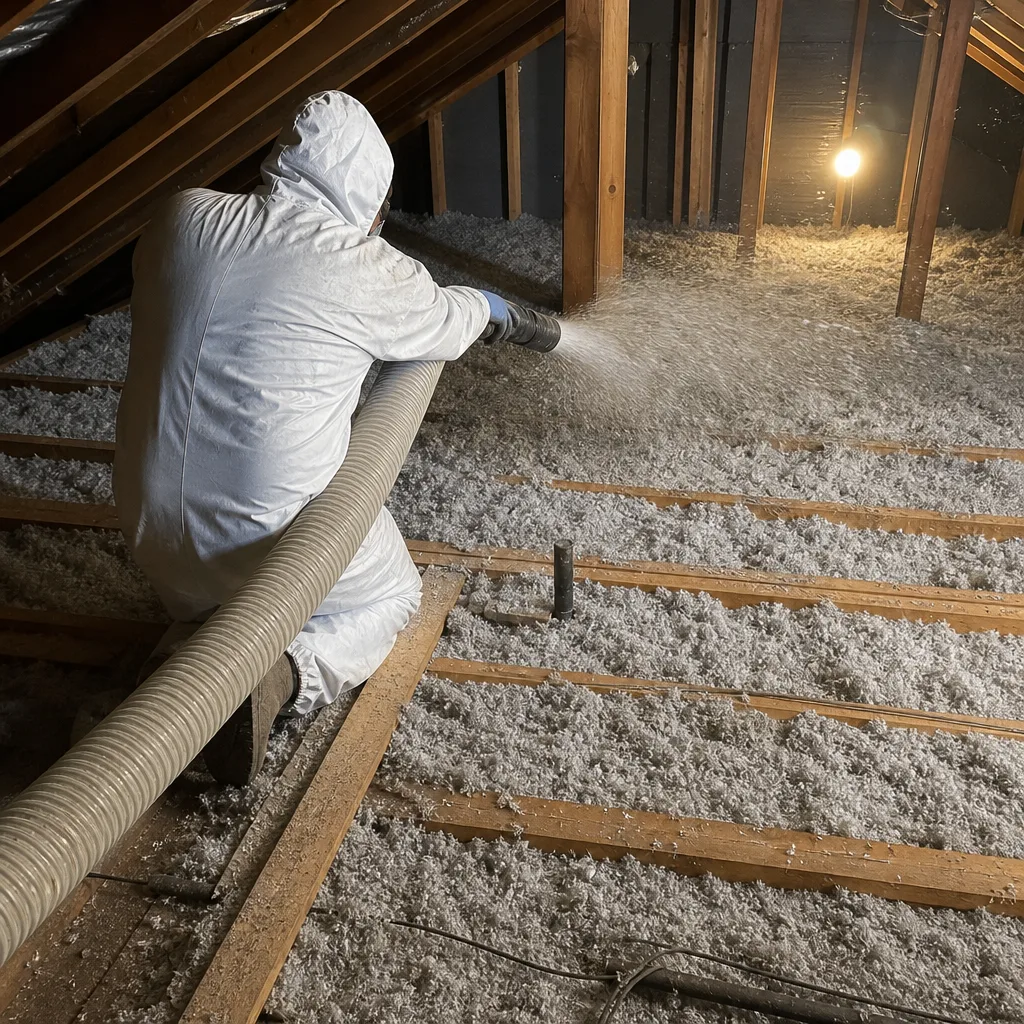
Attic Cleaning Services in Trabuco Canyon involve more than vacuuming dust. Santa Ana wind events force fine particulates, embers, and debris through ridge vents, gable vents, and soffit gaps. That material settles into loose-fill insulation, compresses it, and reduces its effective R-value while also creating a potential fire hazard. A thorough attic cleaning here means removing contaminated insulation, clearing vent channels, and preparing the attic for either new insulation or a top-up. In Trabuco Canyon, a full attic cleaning with debris removal and vent clearing typically runs $850 to $1,600 depending on attic size and contamination level.
Removing Wind-Driven Debris
Canyon homes collect a specific type of attic waste: fine dust, fragmented oak leaves, and ember fragments that blow in during Santa Ana events. This is not the slow accumulation you see in a coastal tract home. Our crews vacuum the attic floor, clear the baffle vents, and bag everything for removal. If insulation is too contaminated to retain R-value, we recommend removal and replacement rather than topping up over compromised material.
Prepping for New Insulation
Once the attic is clean, we inspect for air leaks at top plates, can light housings, and vent penetrations. In older 92678 cabins, this is where we typically find the biggest heat-loss culprits. Sealing those gaps before adding insulation is the difference between a job that works and one that just looks good in photos.
What happens when you call
- 1
A real person answersNo phone trees — you reach a local pro.
- 2
You get an upfront price rangeHonest numbers before anyone is dispatched.
- 3
A background-checked tech heads outLicensed & insured, dispatched right away.
- 4
You approve before work beginsNothing starts until you say go.
Attic Mold Removal in Trabuco Canyon
Attic Mold Removal in Trabuco Canyon is driven by the canyon’s temperature swings. Cold nights drop attic surfaces below dew point, and any moisture that got in during the day condenses on sheathing, rafters, and insulation facing. In homes where bathroom fans vent into the attic instead of through the roof, the problem compounds quickly. Mold removal here means treating the affected framing, removing contaminated insulation, correcting the ventilation or moisture source, and replacing the insulation with a product suited to canyon conditions. Expect to pay $1,200 to $2,800 for a typical Trabuco Canyon attic mold remediation, depending on the affected square footage and whether structural drying is needed.
Addressing the Moisture Source
Removing mold without fixing the condensation or venting problem means the mold returns. In the 92678 core, we frequently find older cabins with unvented attics that were never designed for modern insulation levels. We correct bath fan venting, add or repair baffles, and ensure the attic can breathe before we install anything new. Rockwool mineral wool is often our recommendation here because it resists moisture and does not support mold growth the way paper-faced fiberglass batts can.
Replacing Contaminated Insulation
Once the mold is treated and the moisture source resolved, we remove the contaminated insulation and dispose of it properly. Then we install new material matched to the attic’s specific conditions. In a damp, older canyon attic, that might be Rockwool batts. In a vented, dry attic, blown-in GreenFiber cellulose or fiberglass may be the better fit. We will tell you which one and why, and you can see the reasoning before you approve the bid.
Trusted Brands We Service in Trabuco Canyon
Our Trabuco Canyon customers get access to Owens Corning, Johns Manville, Knauf, and Rockwool products, among the eight brands we carry. We stock Owens Corning and Johns Manville fiberglass for standard attic top-ups and new batt installations. We carry Knauf where a mid-range fiberglass batt fits the budget. And we keep Rockwool on the truck for canyon homes that need mineral wool’s fire resistance and moisture resilience. Because we stock competing brands, our recommendation follows your attic’s actual needs. If your 92678 cabin has fire-risk exposure, we will recommend Rockwool. If your 92679 tract home just needs a thermal upgrade, a high-density fiberglass batt may be the more sensible spend.
Common Attic Insulation Problems We See in Trabuco Canyon Homes
- Wind-driven ember and dust intrusion: Santa Ana events force fine particulates through vents and into the insulation layer, compacting it and cutting its R-value while adding a fire-hazard component. Ember-resistant vent screens and air-sealing are the fix.
- Condensation from canyon temperature swings: Cold canyon nights pull attic surfaces below dew point when daytime warmth lingers, leading to mold on sheathing and degraded insulation performance. Sealing air leaks and adding proper ventilation stops the cycle.
- Unvented or irregular cavities in older cabins: Many 92678 canyon cabins were built before modern attic ventilation standards, so standard batts sag, gap, and leave cold spots. Dense-pack techniques or spray foam address what batts cannot.
- Corroded vent hardware from seasonal moisture: Vent covers and fasteners rust through faster in the canyon’s dry-wet seasonal swings, leaving attic openings exposed. We replace standard hardware with stainless steel or coated fasteners when we service an attic.
Pricing for Attic Insulation in Trabuco Canyon, CA
A typical attic insulation installation in Trabuco Canyon runs $1,800 to $4,200 for a standard 1,200 to 2,000-square-foot home, depending on the method and material. Blown-in fiberglass top-ups start around $1,500 to $2,400. Batt insulation replacement runs $2,000 to $3,800. Spray foam, whether open- or closed-cell, runs $3,500 to $7,000 for a full attic application, but it delivers air-sealing that no batt or loose-fill can match. Attic cleaning adds $850 to $1,600. Mold remediation ranges $1,200 to $2,800 depending on scope. Canyon homes with difficult access, steep roofs, or unvented cavities trend toward the upper end of every range. We provide free estimates with a written scope, so you know the number before you commit. Call (855) 382-3451 to schedule.
We Also Serve Cities Near Trabuco Canyon
Our crews work throughout the Santa Ana Mountain foothills, including Rancho Santa Margarita, Foothill Ranch, Portola Hills, and Coto De Caza. If you are on the 92679 edge of Trabuco Canyon, you are minutes from our standard route. We know which housing stock exists in each area and we quote accordingly.
Serving Trabuco Canyon, CA — Our Local Coverage Area
We’re based in the Trabuco Canyon area and know this community well. Use the map below to see our service coverage — if you’re nearby, we can almost certainly help.
FAQs About Attic Insulation in Trabuco Canyon
Santa Ana winds drive embers, dust, and debris through attic vents and into the insulation layer, compacting loose-fill and contaminating batts while creating a fire hazard. In Trabuco Canyon, insulation must be paired with ember-resistant vent screens and air-sealing so the insulation does not become a wind-driven debris trap. We address venting and insulation together. Call (855) 382-3451 for an inspection.
Older canyon cabins in the 92678 core often have unvented attics and bathroom fans that exhaust into the attic space, so moisture gets trapped and condenses during cold canyon nights. That condensation supports mold growth on sheathing and insulation. The fix is correcting venting and moisture sources, then replacing the contaminated insulation with a moisture-resistant material like Rockwool mineral wool. Call (855) 382-3451 if you see dark staining on attic sheathing.
Rockwool mineral wool batts are the strongest choice for canyon homes because mineral wool is non-combustible and resists fire spread. Closed-cell spray foam from Icynene or Demilec also adds an air-sealing layer that blocks ember entry. For vented attics where fire exposure is lower, a high-density fiberglass batt from Owens Corning or Johns Manville remains a solid value. We carry all of them and will recommend based on your specific attic. Call (855) 382-3451 for a free assessment.
Yes. The 92678 core has older canyon cabins and ranch homes with unvented or irregular attic cavities that often require dense-pack techniques, spray foam, or mineral wool batts with fire-resistant facings. The 92679 edge has newer tract and custom homes with standard vented framing where blown-in fiberglass or standard batts are often sufficient. We treat each property based on its actual construction, not its ZIP code alone. Call (855) 382-3451 and we will tell you what your house actually needs.
Trabuco Canyon attics should be inspected annually after the Santa Ana wind season and after any significant wildfire smoke event. Wind-driven debris accumulates quickly here, and mold can start within one wet season if condensation was an issue. An annual inspection catches ember intrusion, compressed insulation, and early moisture problems before they become expensive replacements. Call (855) 382-3451 to schedule an inspection; we will show you what we find.
In the 92678 canyon core, we retrofitted a 1970s cabin with unvented attic cavities, installing Rockwool mineral wool batts with a fire-resistant facing and sealing gaps with intumescent caulk to block ember entry. We also added corrosion-resistant stainless steel fasteners for the vent covers, since the homeowner’s previous hardware had rusted through from seasonal canyon moisture swings. The result was a tighter, ember-aware assembly that still accommodates the canyon’s temperature extremes.
The Santa Ana wind problem is not theoretical here. Wind-driven embers and fine dust enter attic vents, settle into insulation, compact it, and reduce its R-value while introducing combustible material into the attic. Older canyon cabins often have unvented or irregular cavities where standard batt insulation sags or leaves gaps, accelerating heat loss and air leakage. Extreme canyon temperature swings then cause condensation on inadequately sealed attic surfaces, leading to mold growth and degraded insulation performance. This is the failure chain we see on Trabuco Canyon inspections, and we build every quote around breaking it.
Attic insulation in Trabuco Canyon should be selected by someone who has actually worked in these attics. We have. Call Thermal Insulation Co at (855) 382-3451 for a free estimate, and we will tell you which material and method fits your roof, your ridge, and your budget.
Written by Ruben Castellano, Owner at Thermal Insulation Co, serving Trabuco Canyon and the surrounding foothill communities.