Fast, Reliable Attic Insulation Across Hermosa Beach
Attic insulation in Hermosa Beach runs between $1,800 and $5,200 for a typical 1,200-square-foot home, depending on whether you need removal, top-up, or a full replacement. That’s the number most homeowners ask for first, and it’s a fair range for our coastal market. We work across Hermosa Beach from The Strand east to the 90254 zip line, and we typically reach most homes within two business days. Call (855) 382-3451 if you want a straight answer about your attic, not a sales script. Ruben Castellano runs our Hermosa Beach work personally, and he’s spent enough time in these beach bungalows to know exactly what the salt air does to insulation.
Why Thermal Insulation Co Is Hermosa Beach’s Preferred Attic Insulation Company
We’re a dedicated Attic Insulation contractor. That’s not a marketing line; it’s the only trade we work in. Homeowners in Hermosa Beach call us because their attic problems are rarely just about R-value. They’re about the marine layer pressing damp air into the roof assembly all morning, the salt residue on fasteners, and the crawl spaces under pier-and-beam bungalows breathing moist air up through wall cavities. Generalist contractors who run an insulation crew as one of six services don’t usually think in those terms. We do, because it’s the only way we think.
We carry eight material brands, including GreenFiber, Owens Corning, and Rockwool, and we choose among them based on what a specific Hermosa Beach attic actually needs. A 1920s cottage on a walk street with irregular joist spacing calls for a different solution than a newer infill townhome with truss construction. Having multiple product lines means we’re never forcing one material into a job it doesn’t fit. That matters here, where the coastal environment punishes the wrong assembly choice within a few seasons.
Attic Insulation Removal in Hermosa Beach
Attic Insulation Removal in Hermosa Beach is the step most older beach homes need before any new insulation makes sense. In our experience with the pre-war bungalow stock around The Strand and the walk streets, the existing insulation is usually either nonexistent, compressed to half its original thickness, or saturated with years of marine-layer damp. Old fiberglass batts that have sagged and compressed aren’t just underperforming; they’re holding moisture against the roof deck and framing. That moisture is what feeds the white rust we see on nails and the corrosion on metal fasteners throughout the attic. Removing that soaked material before installing anything new is the only approach that gives the new insulation a chance to perform. A straightforward removal on a small 800-square-foot bungalow attic in Hermosa Beach typically lands between $400 and $800. Larger attics with difficult access, or attics where the old insulation has been invaded by rodents or birds, run higher. We also handle disposal; our crew bags and removes everything so you don’t have old fiberglass dust and debris sitting out by the curb in a 90254 alley.
When Removal Is Actually Necessary
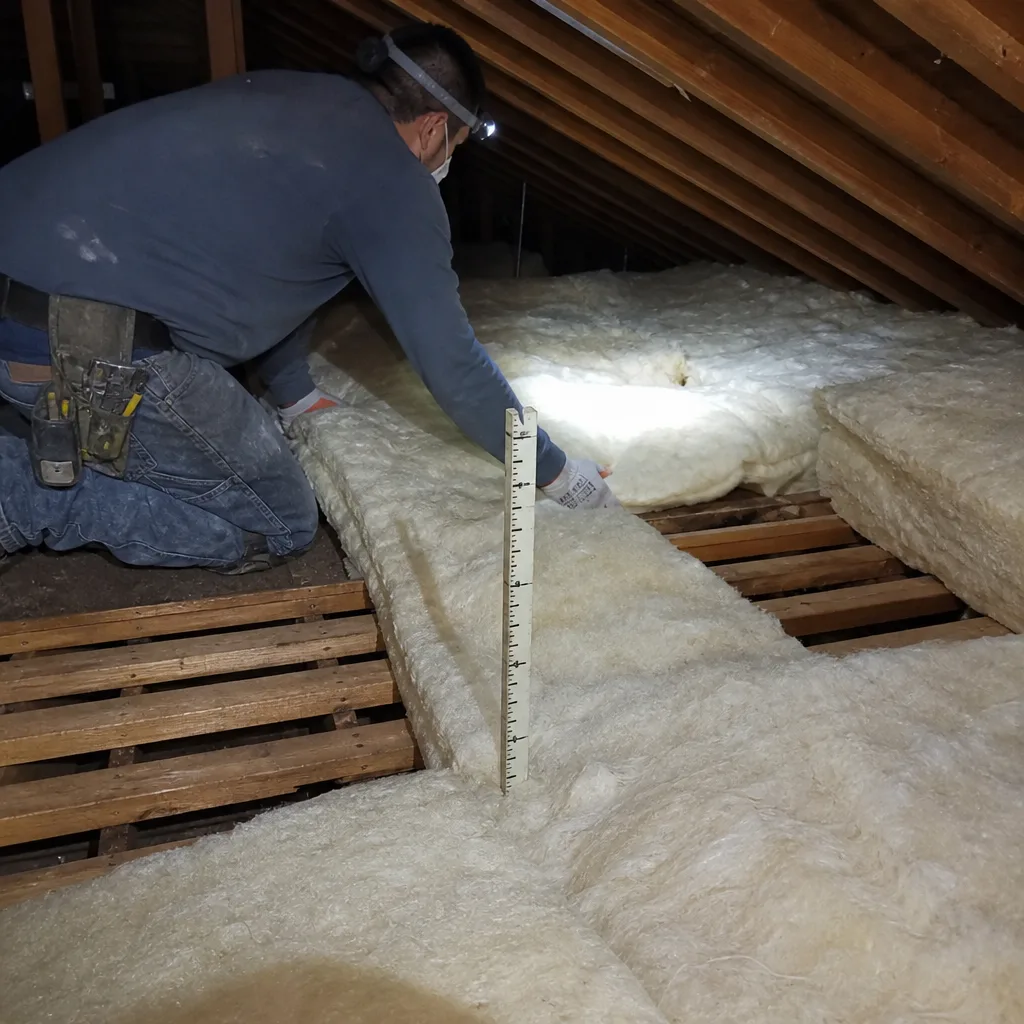
Sagging or compressed batts in the attic lose R-value and trap condensation as moist marine air moves through the space, especially in older bungalows with irregular joist spacing. If you can see visible settling, dark staining at the edges of batts, or if the insulation smells musty, removal is usually the correct call. We’ll confirm that when we inspect, and we’ll tell you honestly if a top-up would do the job instead. Not every attic needs a full gut.
Removal Before Re-Roofing or Remodeling
Many Hermosa Beach homeowners discover they need removal when they’re already planning a roof replacement or an add-on second story. Pulling insulation at that point exposes the sheathing so contractors can inspect for rot, leaks, or rodent damage before new layers go on. We coordinate directly with your roofer or general contractor so the attic is clean and prepped before their crew starts.
Insulation Contractors in Hermosa Beach
Insulation Contractors in Hermosa Beach are not all the same, and the difference shows up in how a contractor handles older coastal housing stock. A 1940s bungalow on a raised pier-and-beam foundation near the beach has irregular wall cavities, often no original insulation, and a crawl space that breathes salt-humid air year-round. A newer townhome off PCH has different challenges entirely. Ruben’s team assesses each home the same way: we look at the attic, check the crawl space where applicable, and identify where air and moisture are actually moving. Then we recommend a material and method that fits the specific conditions, not a one-size product we happen to have on the truck. For full attic insulation replacement in Hermosa Beach, homeowners should expect to invest between $2,200 and $5,200 depending on square footage, access, and material choice. Attic top-ups, which add new insulation over existing material that’s still in acceptable shape, run less.
The Coastal Bungalow Specialty
Raised pier-and-beam construction is everywhere in Hermosa Beach west of PCH, and it changes the insulation strategy. Damp crawl-space air rises through wall cavities into the attic, condensing on roof sheathing and making batts sag. Before we insulate the attic, we check below. Sealing the crawl-space gap is often the difference between an insulation job that lasts fifteen years and one that fails in four.
Newer Townhomes and Duplexes
East of Pacific Coast Highway, Hermosa Beach has more infill townhomes and duplex conversions. Those attics often have truss construction and fewer moisture issues, but they’ll still see condensation on cold sheathing during marine-layer mornings. We handle those with standard batt or blown-in applications and, where beneficial, a vapor retarder. The point is the assessment drives the method. Not every Hermosa Beach attic needs Rockwool and stainless fasteners. Some do. We’ll tell you why either way.
Trusted Brands We Service in Hermosa Beach
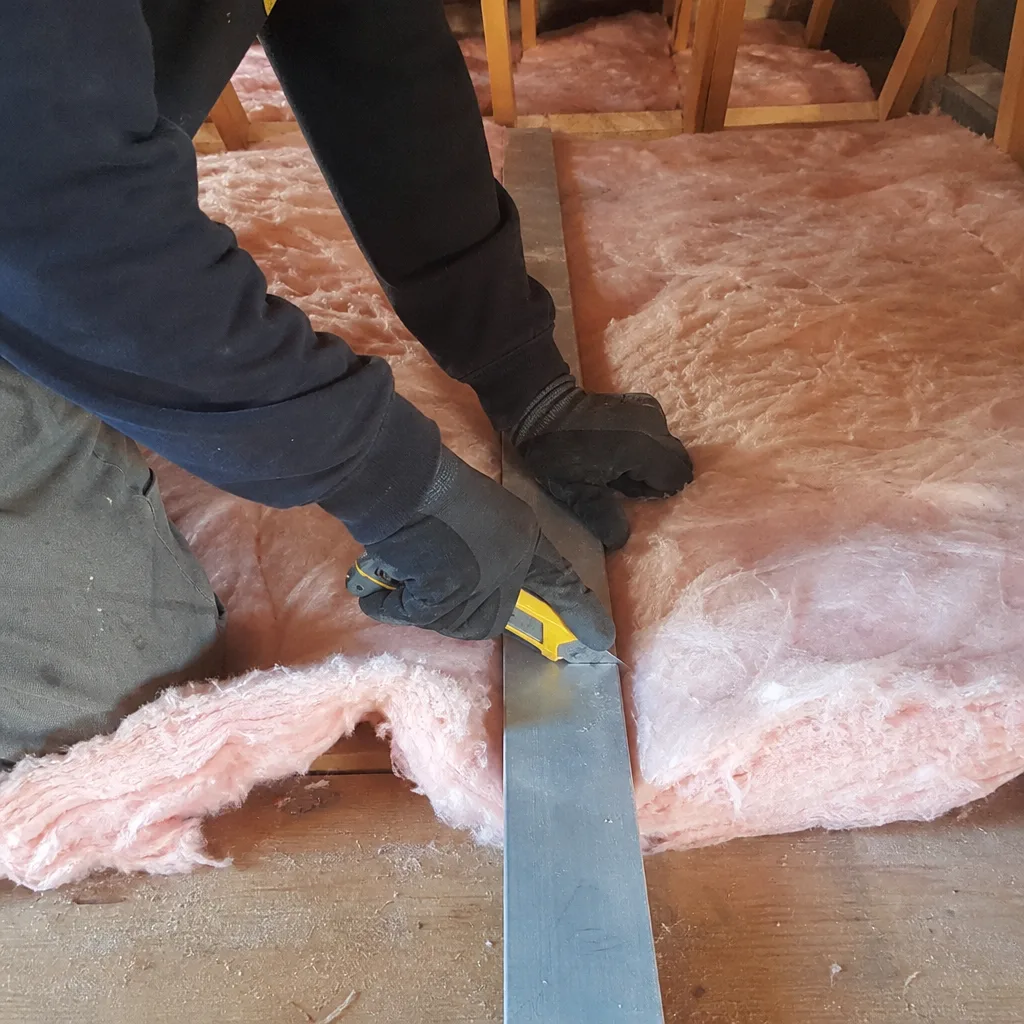
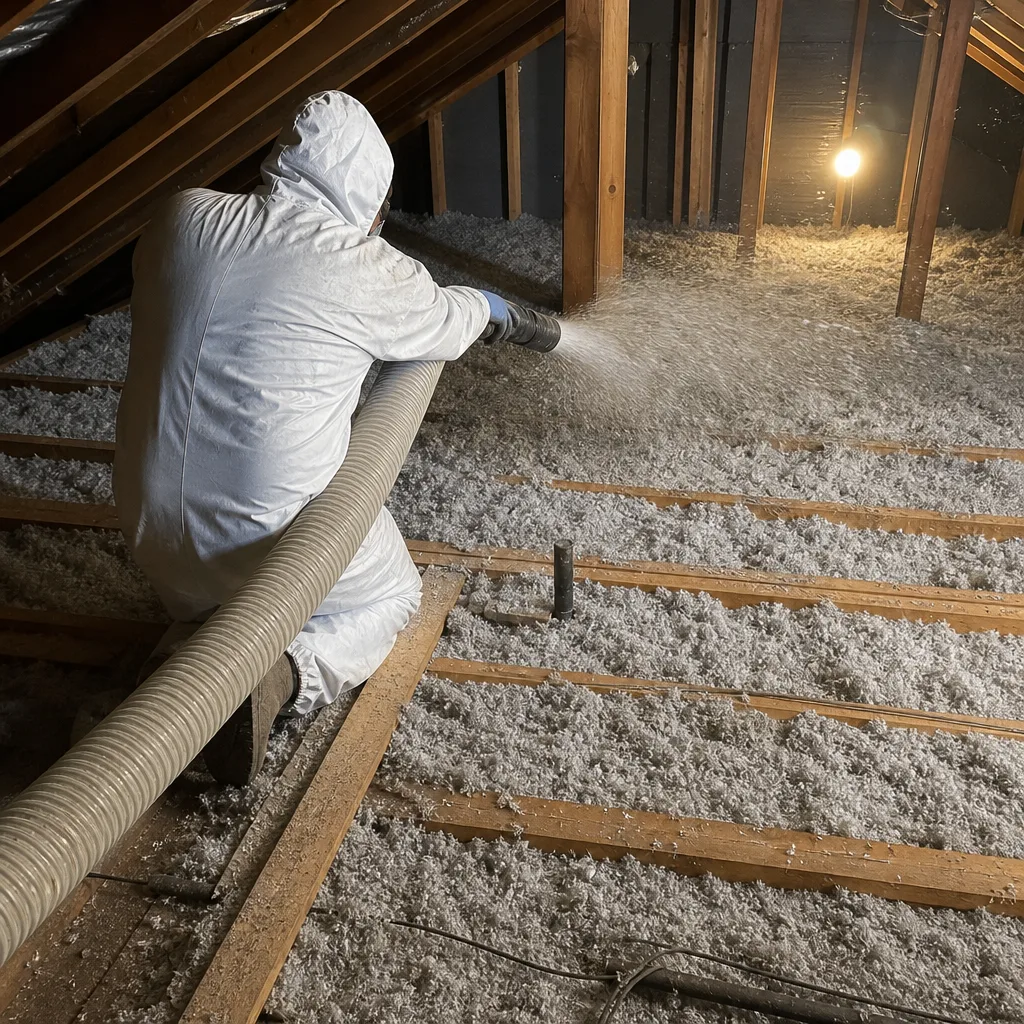
Thermal Insulation Co carries GreenFiber, Owens Corning, Johns Manville, and Rockwool among our eight manufacturer lines, and we keep enough material moving through our coastal jobs to maintain fast turnaround for Hermosa Beach customers. We stock Rockwool batts for moisture-tolerant attic applications because they resist water absorption when condensation forms on sheathing during marine-layer mornings. Owens Corning and Johns Manville batts work well for standard attic replacements in newer construction where the roof assembly stays dry. GreenFiber cellulose gives us a recycled-content option for homeowners who want lower embodied impact and good coverage in irregular cavities. We’re not brand-loyal; we’re condition-loyal. That’s the difference between a material supplier’s rep and an insulation contractor. Ruben picks the material that fits the attic he’s standing in.
Common Attic Insulation Problems We See in Hermosa Beach Homes
- Salt-air fastener corrosion: Coastal air from the Pacific carries salt that settles on metal staples, clips, and radiant-barrier foil in attics. We see fasteners rusted to the point of failure within ten years in homes near The Strand, far faster than inland homes. We use stainless fasteners and recommend removing foil barriers that have delaminated.
- Marine-layer condensation on sheathing: The morning fog that rolls through the 90254 zip pushes damp air into vented attics. When that moist air hits cold roof sheathing, it condenses and soaks into fiberglass batts. Over time, the batts sag, lose R-value, and hold moisture against the framing. Moisture-tolerant assemblies and proper ventilation make the difference.
- Damp crawl spaces under pier-and-beam bungalows: Most pre-war homes in Hermosa Beach sit on raised foundations with open or poorly sealed crawl spaces. Humid air from that space rises through wall cavities into the attic, carrying moisture with it. Insulating the attic without addressing the crawl-space path means the new insulation starts its life in a damp assembly.
- Compressed batts in irregular cavities: The 1920s-1950s bungalows along the walk streets rarely have consistent joist spacing, and several decades of repair work have left cavities that don’t match modern batt dimensions. When batts get stuffed and compressed, they lose a significant portion of their R-value. Blown-in cellulose or mineral wool often fits these older attics better than batt products.
Pricing for Attic Insulation in Hermosa Beach, CA
Here’s what we tell people before they schedule an inspection. A full attic insulation replacement in Hermosa Beach on a typical 1,200-square-foot bungalow runs $2,200 to $5,200. A top-up over existing insulation runs $900 to $1,800. Removal-only jobs, where we pull old material and prep the attic for another contractor or a re-roof, run $400 to $800. Blown-in cellulose in an accessible attic runs $1,500 to $3,200 depending on depth. Batt insulation in an older attic with irregular cavities runs similar, but we often recommend Rockwool for damp-prone spaces, which sits at the higher end of the range. The variables are access, square footage, material choice, whether removal is needed, and whether we’re also sealing a crawl-space air path. We give free estimates, on-site, no pressure. Call (855) 382-3451 and Ruben will walk the attic with you and tell you what he sees and what he’d do if it were his house.
We Also Serve Cities Near Hermosa Beach
Our crews cover the South Bay coast and the surrounding communities. Beyond our work across Hermosa Beach, we run regular routes through Redondo Beach, Marina del Rey, Palos Verdes Estates, and Lawndale. If you’re on the water side of PCH, the marine-layer issues we see on The Strand follow you home anywhere along the coast. Same assessment process, same eight-brand material access, same phone number.
Serving Hermosa Beach, CA — Our Local Coverage Area
We’re based in the Hermosa Beach area and know this community well. Use the map below to see our service coverage — if you’re nearby, we can almost certainly help.
FAQs About Attic Insulation in Hermosa Beach
The marine layer directly reduces attic insulation performance by pushing damp air into vented attics where it condenses on cold sheathing and soaks into fiberglass batts, causing them to sag and lose R-value. This happens most mornings from late spring through early fall, and it’s worse for homes within a few blocks of the water, including the area around The Strand and the walk streets. Homes west of PCH see this cycle daily in summer.
Most Hermosa Beach attics benefit from some form of vapor management, but a full vapor barrier is not automatically the right choice for every home. In vented attics, an impermeable vapor barrier on the wrong side of the assembly can trap moisture and cause more problems than it solves. We recommend a smart vapor retarder in attics where marine-layer condensation is routine, and we’ll place it on the correct side of the assembly based on how your attic breathes. For pier-and-beam homes, the vapor control often starts in the crawl space. Call (855) 382-3451 for an inspection and we’ll tell you what your attic actually needs.
Attic insulation fasteners corrode faster in Hermosa Beach because salt-laden onshore air deposits salt on metal staples, clips, and foil surfaces throughout the attic. Combined with the daily marine-layer damp, that salt creates a corrosion cycle that inland attics never experience. We use stainless fasteners on coastal jobs and recommend against radiant-barrier foil in attics west of PCH, since the foil delaminates and drops performance within a few years of installation.
Yes, we remove old insulation from raised pier-and-beam homes throughout Hermosa Beach regularly. These older bungalows, common along The Strand and the walk streets, often have attics accessed through narrow interior hatches, and the old material is frequently saturated from years of crawl-space moisture rising through wall cavities. Our crew bags and removes the old insulation, then we inspect the roof deck and the crawl space before recommending the replacement assembly. Same-day removal and replacement is possible on most smaller bungalows.
For Hermosa Beach’s coastal conditions, Rockwool mineral wool batts are often the best choice for damp-prone attics because they resist water absorption and don’t lose R-value when condensation forms. GreenFiber blown-in cellulose works well in older bungalows with irregular cavities, since it fills gaps that batts can’t. Owens Corning and Johns Manville products are our standard choices for newer construction east of PCH where attic conditions stay dry. The brand fits the house. Not the other way around.
Written by Ruben Castellano, Owner at Thermal Insulation Co, serving Hermosa Beach and the South Bay coast.