
Fast, Reliable Attic Insulation Across Canyon Lake
Attic insulation in Canyon Lake is not a simple R-value job. Most homes here sit on hillside lots around a 400-acre manmade lake, and that water changes everything about how attics behave. We see attic temperatures past 140°F in summer, then lake-effect humidity and morning fog rolling in during winter. That combination degrades fiberglass batts, rusts fasteners, and breeds mold in ways inland neighbors five miles away rarely deal with. If your energy bills climb every July or you smell something musty near the ceiling, call us at (855) 382-3451. We work in Canyon Lake weekly and know exactly what these attics need.
Why Thermal Insulation Co Is Canyon Lake’s Preferred Attic Insulation Company
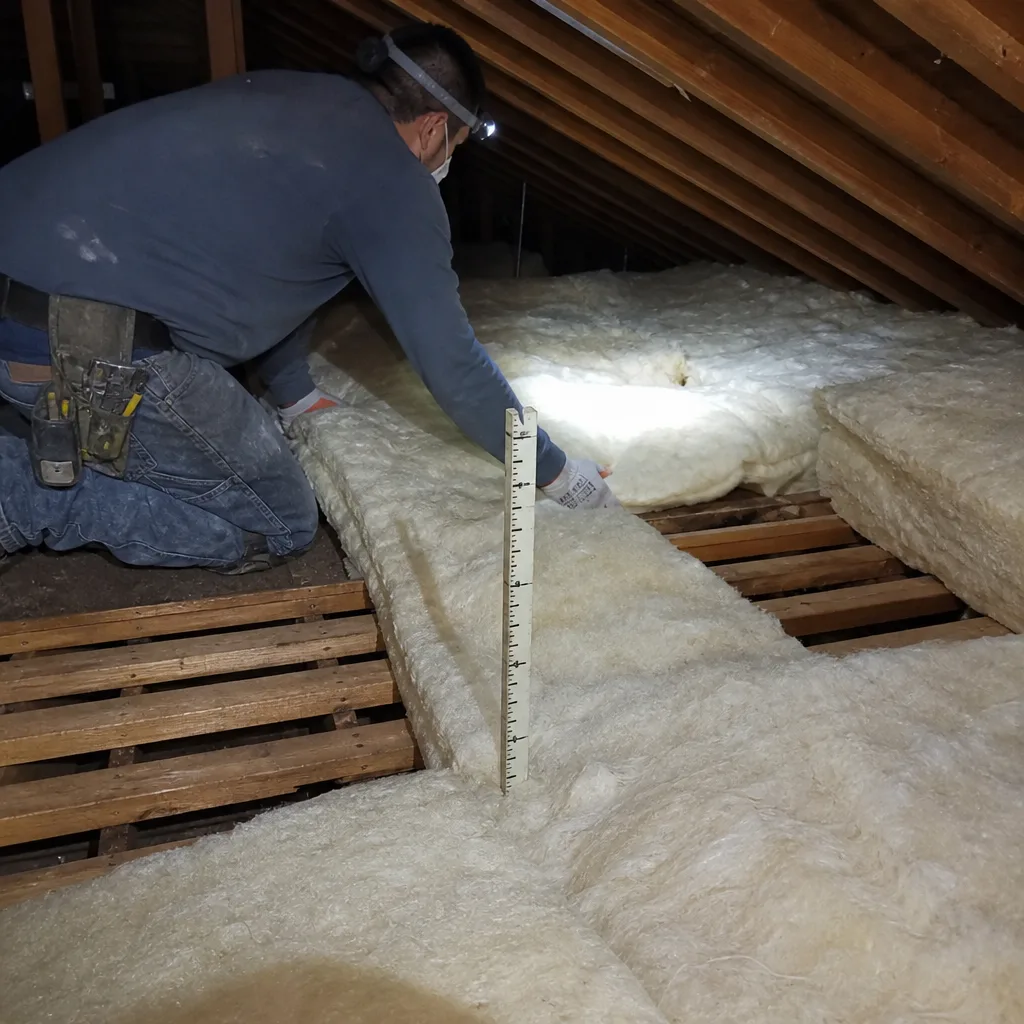
We are a dedicated insulation contractor. Insulation is not a side service for us, it is the entire trade. Our Attic Insulation team works with eight nationally recognized material brands, including Owens Corning, Johns Manville, and Knauf, so we match the product to the home rather than forcing a single brand onto every job. For Canyon Lake specifically, that matters because lakefront A-frames and hillside ranchers need different materials than a flat inland tract home.
Our crews know the gates, the narrow roads, and the parking constraints of working in a private community. We show up with the right truck, the right hose lengths for blown-in, and the right approach for tight attic access on older builds. Homeowners in Canyon Lake tell us the same thing: other companies quoted them a generic fiberglass job, then we explained why their vaulted ceiling or vented crawlspace needed something different. Ruben Castellano leads our team, and he has spent years working attics across Southern California’s inland foothill communities.
Response time to Canyon Lake is usually one to two business days for an estimate, with same-week installation available on many attic top-up and batt replacement jobs.
Insulation Contractors in Canyon Lake
Insulation Contractors in Canyon Lake need to understand two things most generalists miss: lake-effect humidity and hillside construction. A proper attic insulation job here means inspecting for existing moisture damage, sealing air leaks around the attic floor, and accounting for how heat and damp air move through a vented crawlspace up into the attic. We do not just blow in more fiberglass and call it done. We assess the whole thermal and moisture path before recommending a method.
Attic Assessment and Air Sealing
Before any material goes in, we inspect the attic floor for gaps around recessed lights, plumbing penetrations, and top plates. In Canyon Lake homes built from the late 1960s through the 1990s, these gaps are common. Sealing them is the difference between insulation that performs and insulation that just sits there while conditioned air leaks past it.
Method Selection for Hillside Homes
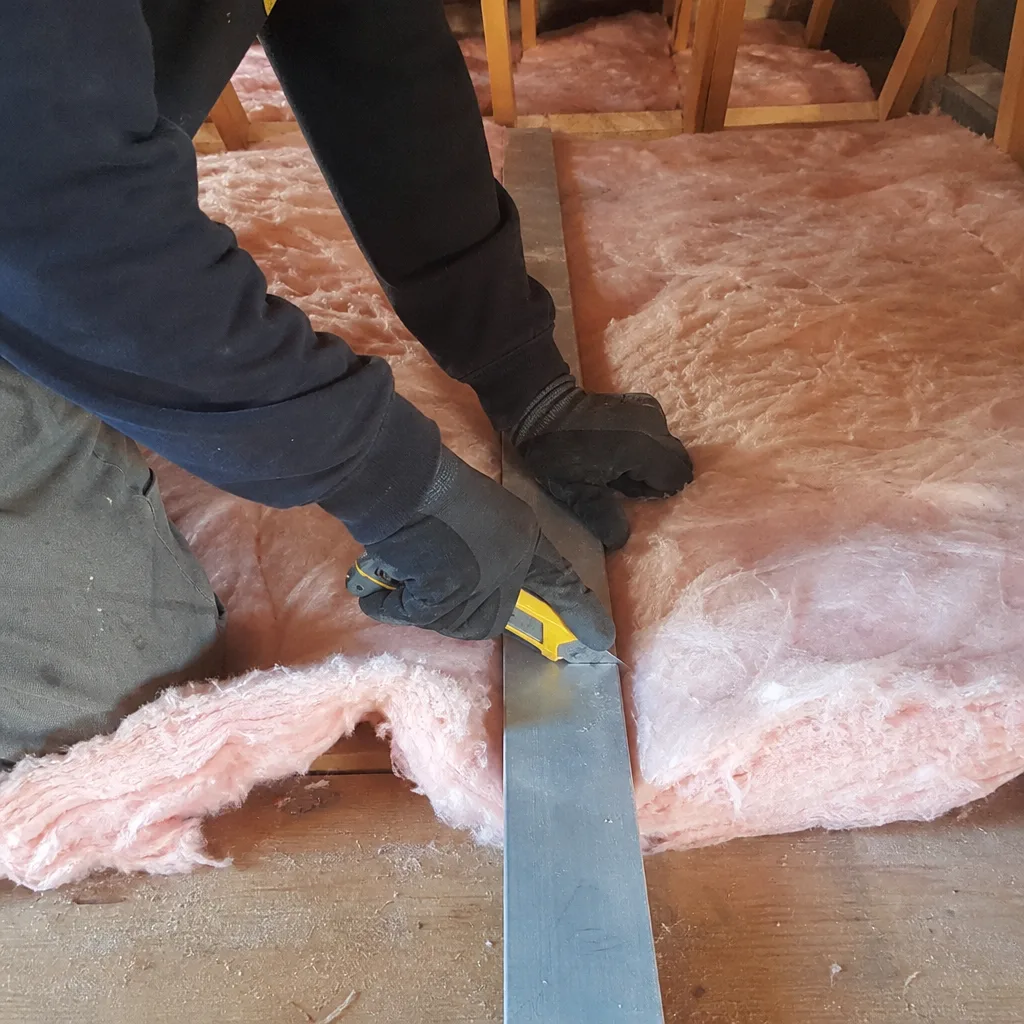
Lakefront homes with vaulted ceilings often cannot fit batt insulation cleanly. Hillside ranchers with vented crawls need a different approach than a standard gable-roof home. We install batt, blown-in, and spray foam, and we will tell you which one actually makes sense for your roof structure and moisture profile.
Attic Ventilation in Canyon Lake
Attic Ventilation in Canyon Lake is not optional, it is the core of a lasting insulation job. When hot attic air cannot escape through ridge or soffit vents, it pushes heat down into living spaces and shortens the life of whatever insulation sits below it. But here, ventilation also has to manage moisture. The lake’s year-round evaporation raises humidity near the shore, and morning fog in the basin settles into attics through passive vents. A poorly ventilated attic in Canyon Lake can degrade brand-new batts within a few winters.
Ridge and Soffit Vent Installation
Many original Canyon Lake homes were built with minimal or blocked soffit vents. We install new ridge and soffit ventilation, clear blocked passageways, and ensure airflow moves from low to high evenly across the attic. For homes with shallow eaves, we adjust the venting strategy to match the roof geometry.
Baffle Installation and Prep
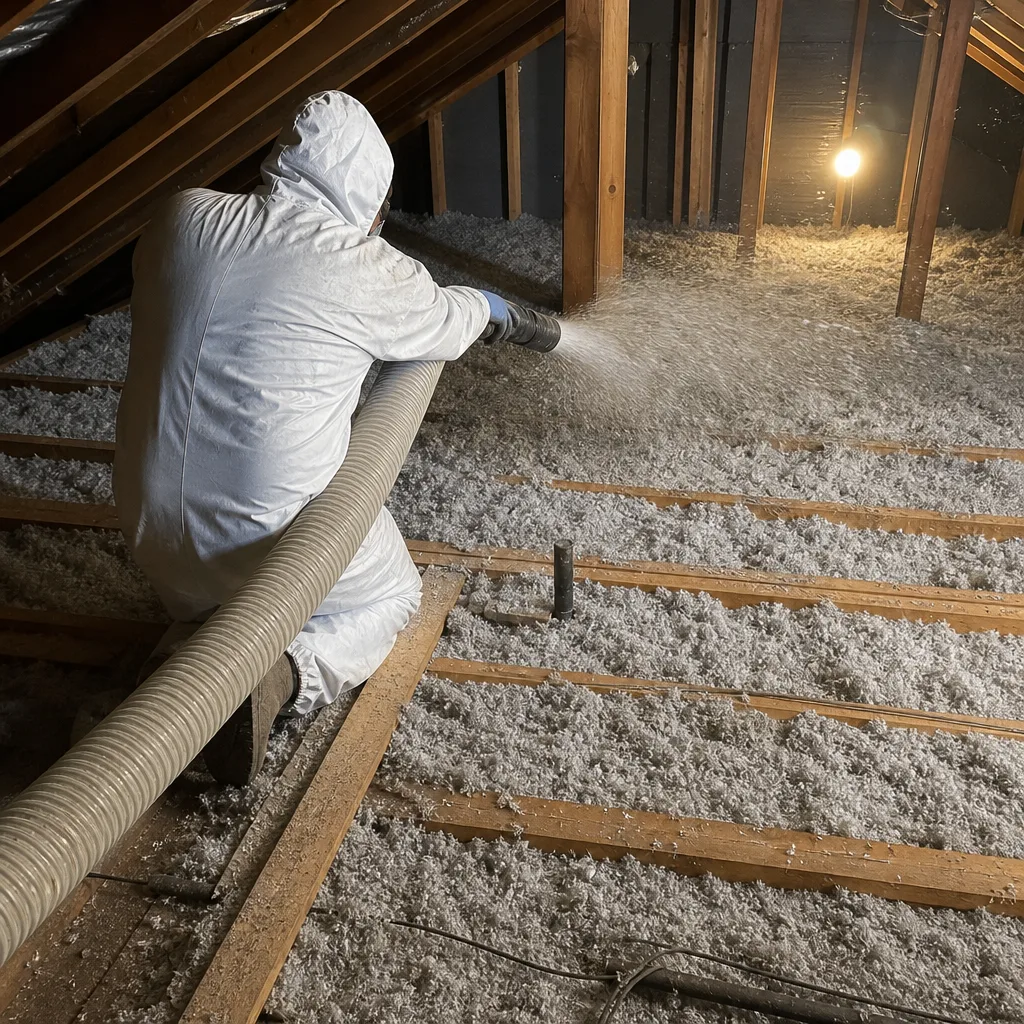
Before blown-in insulation goes in, we install baffles at every rafter bay that intersects a soffit vent. This keeps loose-fill from blocking airflow and prevents the exact moisture trap that ruins attics near the lake. Homes that skip this step often end up with damp insulation along the eaves within two years.
Trusted Brands We Service in Canyon Lake
We install Owens Corning and Johns Manville fiberglass for standard attic applications because both offer consistent R-value per inch and wide availability for attic top-ups. We carry Knauf products for homes where a specific batt width or density fits better. For Canyon Lake specifically, we often recommend Rockwool for lakefront and near-shore attics because mineral wool resists moisture and mold far better than fiberglass, and it will not collapse the way a waterlogged batt does. We stock common batt widths and loose-fill bags locally, which means faster turnaround for Canyon Lake customers who need a top-up or replacement before summer heat arrives.
Common Attic Insulation Problems We See in Canyon Lake Homes
- Moldy and compressed batts from lake-effect humidity. The lake’s evaporation raises attic moisture levels even during dry months. Original fiberglass batts in 1970s and 1980s homes absorb that dampness, compress, and grow mold, especially near the eaves and around bathroom fan vents.
- Attic temperatures passing 140°F in summer. Underinsulated attics from the original build era cannot block the radiant heat that inland foothill summers produce. That heat soaks through ceilings and forces air conditioners to run far longer than they should.
- Vented crawlspaces drawing moist lake air upward. Hillside homes often have vented crawlspaces that pull humid, lake-scented air into the floor assembly. That air eventually reaches the attic, where it condenses against cool roof decking and rusts nails and fasteners.
- Hard-to-reach cathedralized attic spaces. Lakefront homes with vaulted ceilings frequently have little or no attic access, and the insulation that was installed decades ago has settled or was never adequate in the first place. These spaces need specific materials and techniques.
Pricing for Attic Insulation in Canyon Lake, CA
An attic insulation top-up in Canyon Lake typically runs $1,200 to $2,800 depending on square footage and the condition of the existing material. A full attic insulation replacement on a standard single-story rancher usually falls between $2,500 and $5,500. Lakefront homes with vaulted ceilings or cathedralized attics run higher, often $4,000 to $9,000, because access is tighter and the work moves slower. Attic ventilation work, including ridge vent, soffit vent, and baffle installation, typically adds $800 to $2,400 depending on roof complexity. Spray foam costs more up front, but for Canyon Lake homes with moisture concerns it can be the right call. Call (855) 382-3451 and Ruben will walk your attic with you and give a straight number, not a range that shifts after the job starts.
We Also Serve Cities Near Canyon Lake
Our crews work throughout the foothills and lake basin. In addition to Canyon Lake, we serve Meadowbrook, Sedco Hills, Lakeland Village, and Quail Valley. The drive from our Van Nuys base is familiar territory, and we schedule these areas back to back so you are not waiting on a truck from across the county.
Serving Canyon Lake, CA — Our Local Coverage Area
We’re based in the Canyon Lake area and know this community well. Use the map below to see our service coverage — if you’re nearby, we can almost certainly help.
FAQs About Attic Insulation in Canyon Lake
Because the lake never stops evaporating. The 400-acre water surface pushes moisture into the air year-round, and hillside canyon breezes carry that damp air into vented attics and crawlspaces. At night, when attic temperatures drop, that moisture condenses against cool roof decking and saturates fiberglass batts. Mold follows. Lakefront and near-shore homes see this most, but even homes a few blocks from the water line get it. Call (855) 382-3451 if you have spotted dark staining on rafters or a musty smell near ceiling registers.
In most cases, yes. A vented crawlspace in this community acts like a humidity pump. Moist lake air enters through the foundation vents, rises through the floor assembly, and ends up in the attic. Encapsulating the crawlspace and adding a vapor barrier breaks that pathway, so the new attic insulation starts dry and stays dry. We assess this on every Canyon Lake job, even when the homeowner only asked about the attic.
Mineral wool batts, specifically Rockwool, are usually the strongest choice for vaulted and cathedralized ceilings near the water. Mineral wool does not absorb moisture the way fiberglass does, it holds its shape, and it will not compress or mold if the space sees occasional condensation. In tighter cavities, closed-cell spray foam from Demilec or Icynene provides both insulation and an air and vapor barrier in one application. The right answer depends on your roof structure, and we will tell you which one fits without upselling.
Look for three signs. First, rooms directly under the attic get noticeably hotter than the rest of the house in summer. Second, ceiling drywall feels warm to the touch in the late afternoon. Third, you smell something musty or see dark streaks on rafters and sheathing. Any one of those is worth an inspection. Call (855) 382-3451 for a free estimate and we will check the attic condition as part of it.
For most homes here, a radiant barrier makes a measurable difference. Canyon Lake summers routinely push attic temperatures past 140°F, and a radiant barrier stapled to the underside of the roof deck reflects a large share of that heat before it reaches the insulation below. Homes with vaulted ceilings or limited attic ventilation benefit most. We install radiant barrier as a complement to insulation, not a replacement, and we will tell you honestly whether your roof orientation and attic geometry justify the added cost.
Written by Ruben Castellano, Owner at Thermal Insulation Co, serving Canyon Lake and the surrounding foothill communities.