
Fast, Reliable Attic Insulation Across Alondra Park
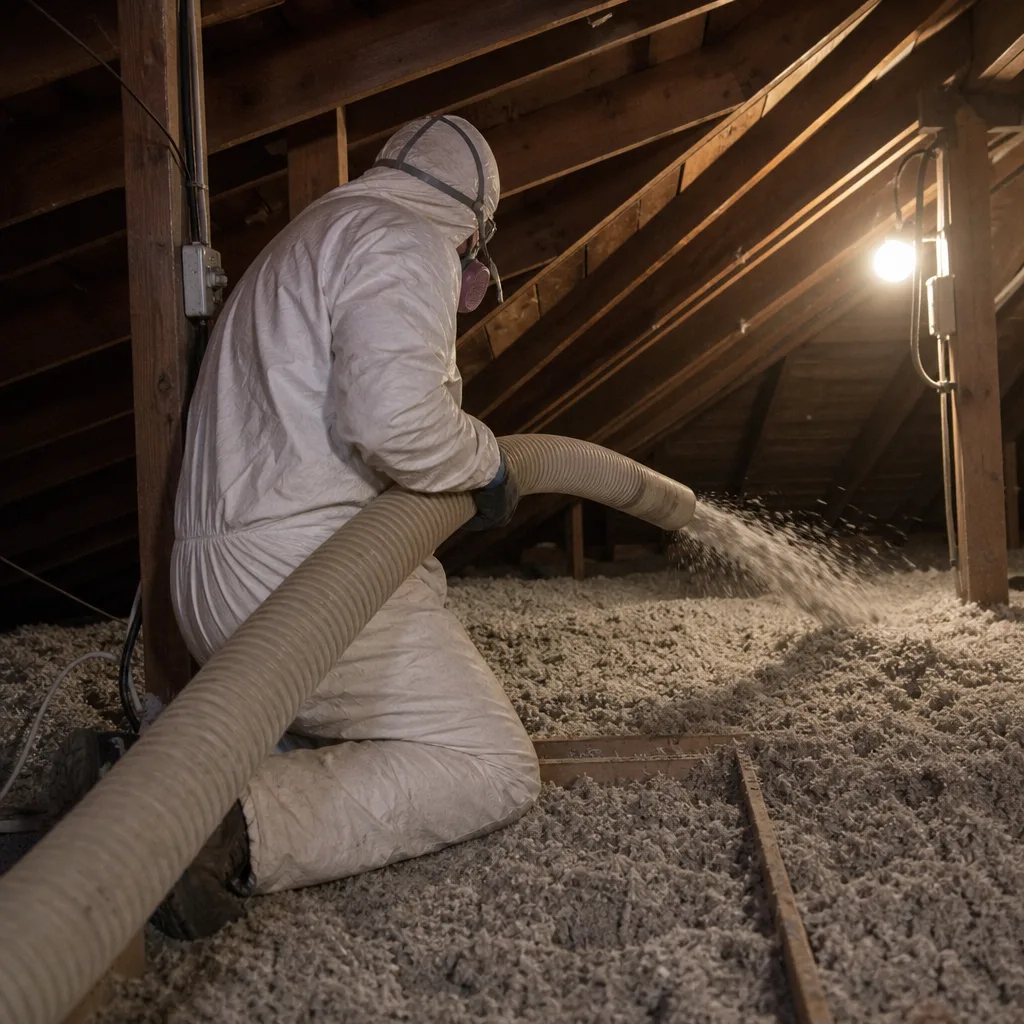
Attic insulation in Alondra Park usually means working inside a shallow 1950s or 1960s attic space where the old material gave up years ago. We get calls from homeowners along Manhattan Beach Boulevard, up against the 405, and through the apartment blocks near the golf course. Same-week service is standard, and we stock enough material to handle most single-family homes in 90249 without a second trip. If your attic is baking this summer or your ceiling feels warm at night, call us at (855) 382-3451 for a free estimate.
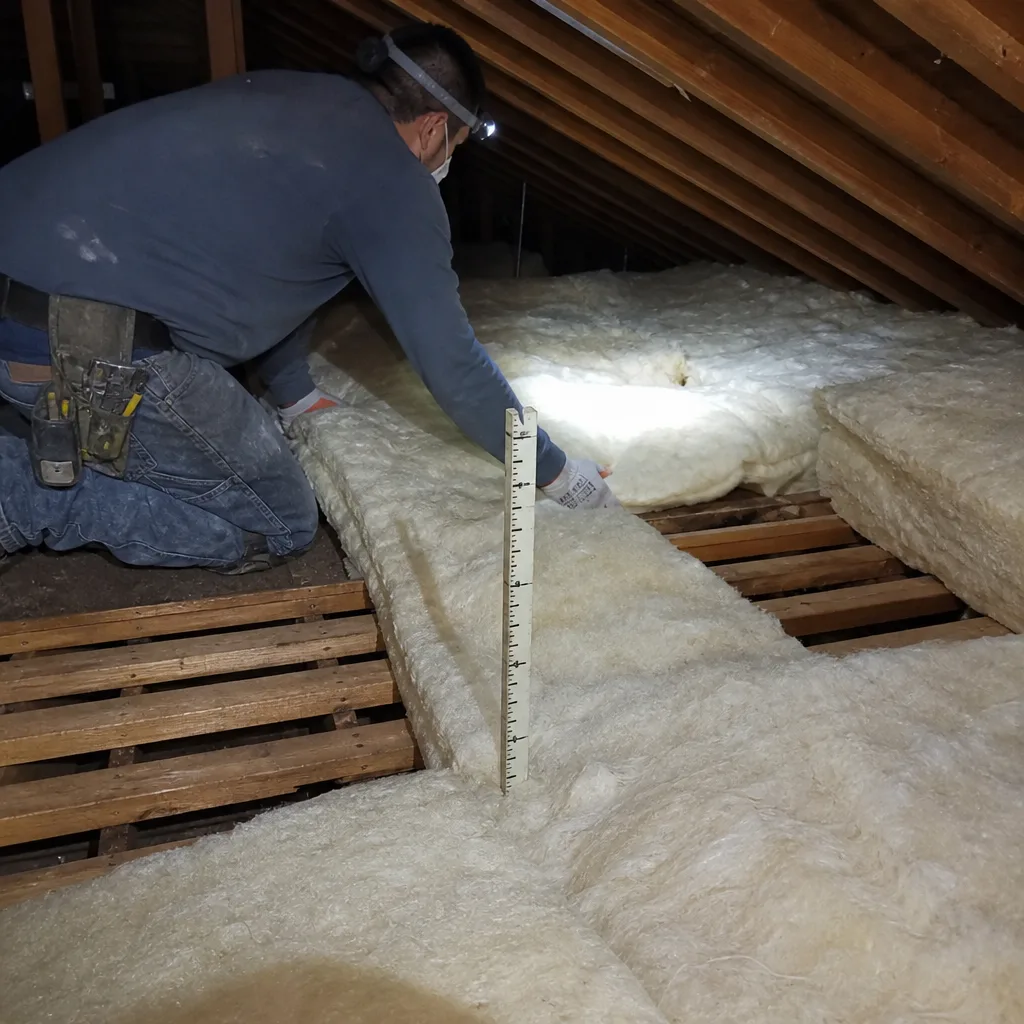
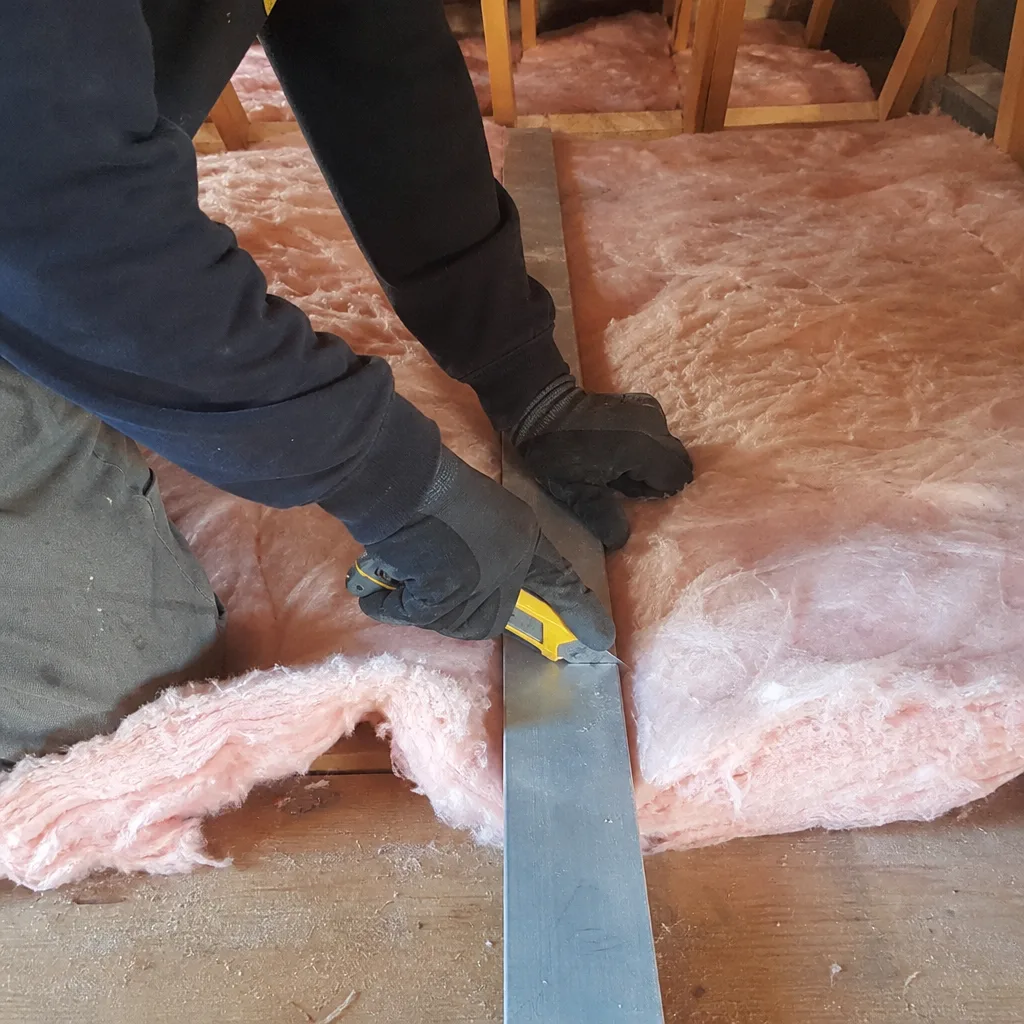
Thermal Insulation Co is a dedicated insulation contractor. That means we don’t do roofing on the side or window replacement between jobs. We spend our days in attics across Alondra Park, diagnosing why a specific house is uncomfortable and then matching the fix to the problem. Sometimes that fix is new batts. Sometimes it’s a Radiant Barrier. Sometimes the attic needs to be cleaned out before anything else makes sense.
Why Thermal Insulation Co Is Alondra Park’s Preferred Attic Insulation Company
Most of our work in Alondra Park comes from homeowners who’ve already tried the quick fix. They blew in extra cellulose a few years back, or they had a handyman layer fiberglass over collapsed batts, and the house still wasn’t comfortable. The issue, in our experience, is that shallow flat-roof attics in this part of Los Angeles County don’t follow the same rules as a newer tract home with a vented ridge. Moisture behaves differently. Heat builds up differently. And a fix that works in Torrance often underperforms a mile north.
Our crew knows the 90249 housing stock. We know which blocks off Inglewood Avenue have the original 1960s rock wool. We know the apartment buildings along the 105 corridor where duct runs sit directly under dark flat roofs. That local familiarity means we diagnose faster and stop problems before they recur. Homeowners in Alondra Park call us because the insulated space feels right afterward, not just because the invoice was lower.
Ruben Castellano leads our team. He’s spent years crawling through shallow South Bay attics and has seen every failure mode this climate can produce. Our reputation in Alondra Park comes from showing up on time, explaining what we found, and doing the work correctly the first time.
Radiant Barrier in Alondra Park
A Radiant Barrier in Alondra Park does something standard batts cannot: it stops radiant heat from a dark flat roof before it ever reaches the insulation below. In 90249, that matters more than a lot of installers admit. A 1950s low-pitch roof with no ridge vent will push attic temperatures past 130°F on a sunny afternoon. The insulation on the attic floor slows that heat on its way into the house, but the insulation itself gets saturated after hours of direct exposure. A radiant barrier mounted to the roof deck or rafter undersides reflects that energy back toward the roof, which means the space below stays notably cooler, and the ceiling below the attic stays more stable.
For a typical Alondra Park home, a radiant barrier under the roof deck runs $1.50 to $3.20 per square foot installed. A smaller attic of 800 to 1,000 square feet lands between $1,200 and $3,000. We recommend it most often for the 405-facing and 105-facing walls where heat loads are highest, and for any flat-roof home where duct runs bake in the open attic air. It’s not a substitute for insulation. It’s a complement, and in this climate, often the difference between an attic that’s merely insulated and one that actually stays cool.
Roof-Deck Installations for Flat and Low-Pitch Homes
Alondra Park’s flat-roof homes don’t offer a conventional attic vent path. That’s exactly why a roof-deck radiant barrier makes sense. We fasten the foil-faced product to the underside of the roof framing, and because there’s no ridge vent, we leave a small air gap at the top of each rafter bay so heat can migrate toward the existing soffit or gable openings. Done right, it works without trapping the marine-layer moisture that already causes trouble in these attics.
When to Pair a Radiant Barrier With New Batts
If the original batts have collapsed, replacing them and adding a radiant barrier is the most effective combination we install in Alondra Park. The batts handle conductive heat through the ceiling; the barrier handles radiant heat from the roof. Together, they fix the two separate problems that make these shallow attics so unpleasant in summer. We’ll tell you honestly if a radiant barrier won’t help your home, because sometimes the issue is purely airflow and the barrier would just be an extra line on the quote.
Attic Cleaning Services in Alondra Park
Attic Cleaning Services in Alondra Park are usually the first step we recommend when we open a hatch and see what decades of South Bay air have left behind. The original rock wool or fiberglass batts in many 1960s homes have broken down into dust and settled flat against the ceiling drywall. Rodent activity is common near the 105, and old duct insulation flakes off into the space. You can’t simply blow new insulation over that mess. It has to come out first.
A full attic cleaning for a typical 900- to 1,200-square-foot Alondra Park attic runs $600 to $1,600, depending on how much material we’re removing and whether we’re also pulling out old duct wrap. The process includes HEPA-filtered vacuuming, bagging of debris, and a basic air-seal pass at the top plates. We never leave loose fiberglass or rodent waste behind, because whatever you lay down next sits directly on that surface. Skipping the cleaning is the most common reason a re-insulation job underperforms within a year.
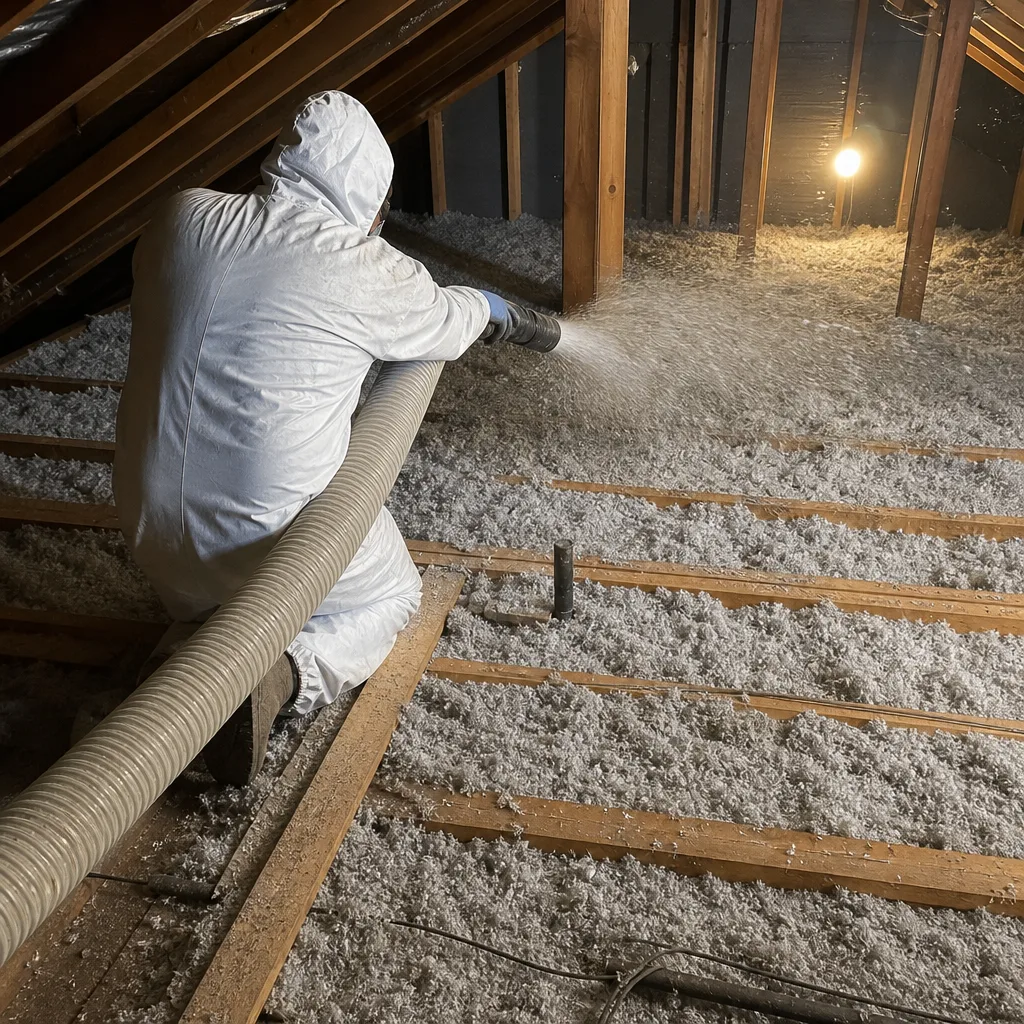
Removing Collapsed Batts and Loose Fill
Old rock wool batts in Alondra Park homes often look intact from the hatch but fall apart when touched. Our crew vacuums the entire floor plane down to the drywall, then inspects the top plates and ceiling penetrations for air leaks. That step alone can cut a surprising amount of conditioned air loss, and it gives the new insulation a clean, flat surface to perform against.
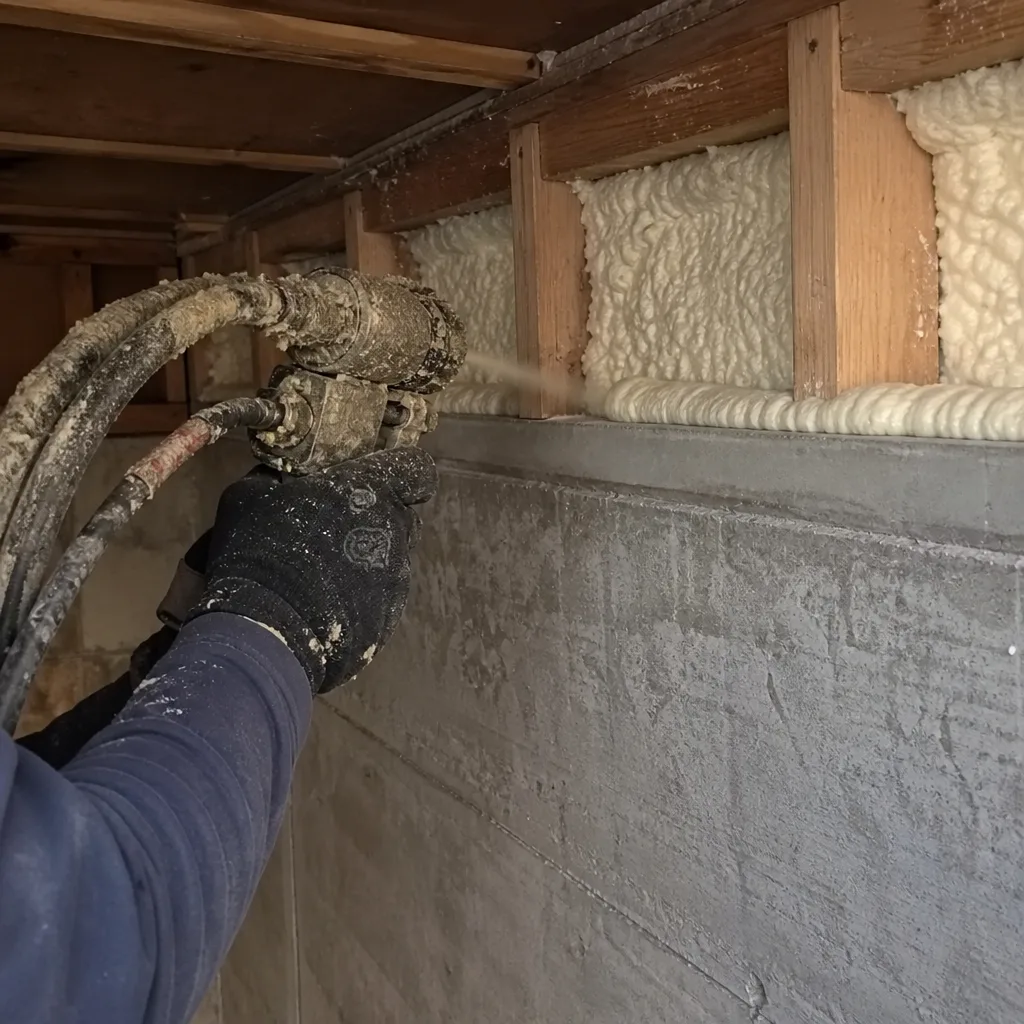
Air-Sealing the Attic Floor
Air leaks move far more heat than most people realize. In older Alondra Park stucco homes, gaps around plumbing vents, electrical boxes, and interior wall top plates let conditioned air escape straight into the attic. We seal those gaps with foam or caulk as part of the cleaning service, before any new batts or blown-in material go down. It’s a building-science step that a lot of insulation companies skip, and it’s the difference between a house that feels tight and one that’s just wearing a thicker hat.
What happens when you call
- 1
A real person answersNo phone trees — you reach a local pro.
- 2
You get an upfront price rangeHonest numbers before anyone is dispatched.
- 3
A background-checked tech heads outLicensed & insured, dispatched right away.
- 4
You approve before work beginsNothing starts until you say go.
Trusted Brands We Service in Alondra Park
We carry Owens Corning fiberglass because it holds its loft well in shallow attics where space is tight. We stock Johns Manville for its consistent R-value and easy handling in low-clearance spaces. And we keep Knauf batts on hand for homes where a dense, easy-to-trim product makes sense around awkward framing. Because our Attic Insulation team installs all of these, we can match the material to your attic’s actual conditions rather than pushing a single brand, and we typically have what your job needs on the truck when we arrive in Alondra Park.
Common Attic Insulation Problems We See in Alondra Park Homes
- Collapsed original batts. The 1960s rock wool and fiberglass in these shallow attics settles flat over time, leaving the top plates and ceiling plane exposed. The R-value is effectively gone, even if the material looks okay from the hatch.
- Marine-layer moisture without a vent path. Low-pitch and flat roofs have almost no ridge-to-eave venting, so overnight fog condenses on the cool underside of the roof deck. Batt insulation absorbs that moisture and loses performance long before heat becomes the main problem.
- Duct runs cooking under dark flat roofs. In homes near the 405/105 interchange, the black roof membrane pushes attic temperatures past what any duct wrap can handle. We find unconditioned attics where the air coming through the ducts picks up a noticeable temperature swing between the air handler and the register.
- Heat and noise at the freeway-facing walls. Homes along the 405 and 105 edges deal with a double load: exhaust heat and traffic noise. Standard R-19 was never sized for that. These houses typically need R-38 or better at the exterior wall line, plus a radiant barrier where the roof slope takes direct afternoon sun.
Pricing for Attic Insulation in Alondra Park, CA
Most attic insulation jobs in 90249 fall between $1,200 and $4,500, with the final number tied to attic size, condition, and what’s already up there. A straightforward top-up of R-19 over existing material in a small Alondra Park attic runs $900 to $1,500. Full removal and replacement of collapsed batts lands around $1,500 to $2,800 for a typical 1,000-square-foot attic. A complete job that includes Attic Cleaning Services, air-sealing, new batts to R-38, and a radiant barrier at the hot roof slope commonly runs $3,000 to $5,500. The variables that matter most are roof configuration, ease of access, and whether we’re dealing with old duct wrap that needs to come out. We give a written, itemized estimate before any work begins. Call (855) 382-3451 and we’ll schedule a time to walk the attic with you.
We Also Serve Cities Near Alondra Park
Our crews work throughout the surrounding South Bay area, including Gardena, Inglewood, Lawndale, and Hawthorne. If you own a rental property or single-family home in one of those cities, the same diagnosis and material-matching approach applies. Attic Insulation in Alondra Park is home base for a lot of our work, but we’re on the road throughout the 405 corridor most days.
Serving Alondra Park, CA — Our Local Coverage Area
We’re based in the Alondra Park area and know this community well. Use the map below to see our service coverage — if you’re nearby, we can almost certainly help.
FAQs About Attic Insulation in Alondra Park
The original batts fail because they were installed in ceilings with almost no vent path and then spent sixty years absorbing marine-layer moisture from below. Rock wool and early fiberglass both lose their loft when humid air condenses on them, and once they flatten against the ceiling drywall, the trapped air that gave them their R-value is gone. The heat just accelerates the breakdown after that. We see this pattern in nearly every original-condition home in 90249.
Yes, and it’s not close. The freeway-facing walls deal with a combined heat-and-noise load that R-19 was never designed to handle. We recommend R-38 or better at the attic floor, and in many cases a radiant barrier at the roof deck to knock down the radiant heat from the dark flat roof. The homes right up against the 105 are the ones where we see the biggest comfort improvements from that combination. Call (855) 382-3451 if you want us to take a look at your specific layout.
It changes the priority order. In a dry climate, you’d just add more R-value and be done. In Alondra Park, the overnight marine layer means moisture management comes first. We look for trapped vapor under the roof deck, check whether the existing batts have absorbed moisture, and make sure any new material can dry to one side. Ignoring that step in a flat-roof home means the new insulation fails the same way the old insulation did.
We usually find the original batts flattened to the ceiling plane, a dark flat roof radiating heat down onto exposed duct runs, and top plates that were never air-sealed. On a block off Alondra Park golf course, we opened a 1961 stucco home’s shallow attic and found original rock wool batts collapsed to the ceiling plane. We vacuumed the degraded material with our Attic Cleaning Services, air-sealed the top plates, and installed a vapor-aware Johns Manville and Owens Corning layered assembly with a Radiant Barrier at the 405-facing slope where exterior wall heat loads push night-time attic temps past what the aged material could ever block. Afterward, the homeowner asked us to handle a small Reflectix repair in Alondra Park on the garage door panel, which we completed the same day. Our tech documented a cooler, drier attic and duct runs no longer cooking under the flat roof.
They work together, and in these low-pitch attics, the radiant barrier often matters more than the extra thickness. The problem is radiant heat, not conductive heat, and more batts just means more material to absorb the same roof load. A radiant barrier at the roof deck stops the heat before it enters the attic air, and then the new batts handle what’s left. It’s the most effective approach we install in 90249.
Written by Ruben Castellano, Owner at Thermal Insulation Co, serving Alondra Park and the surrounding South Bay area.