
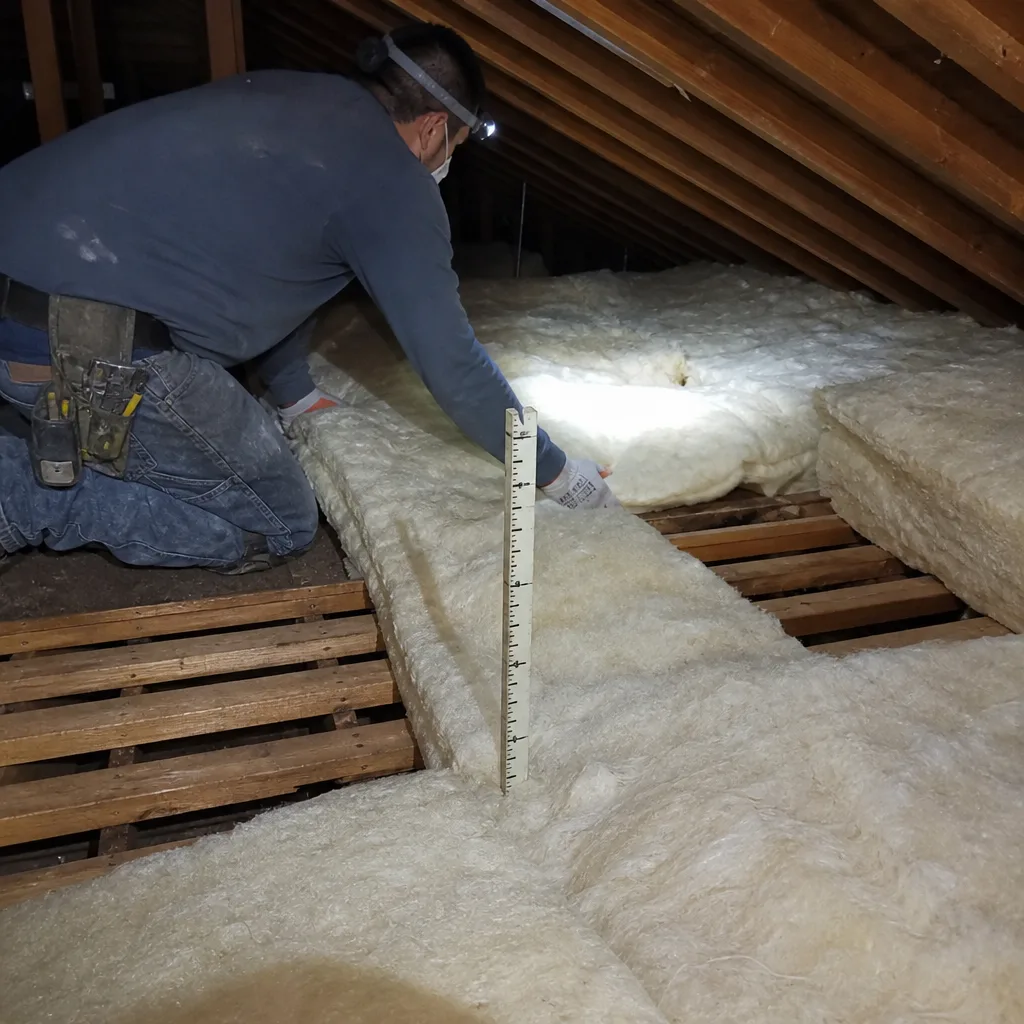
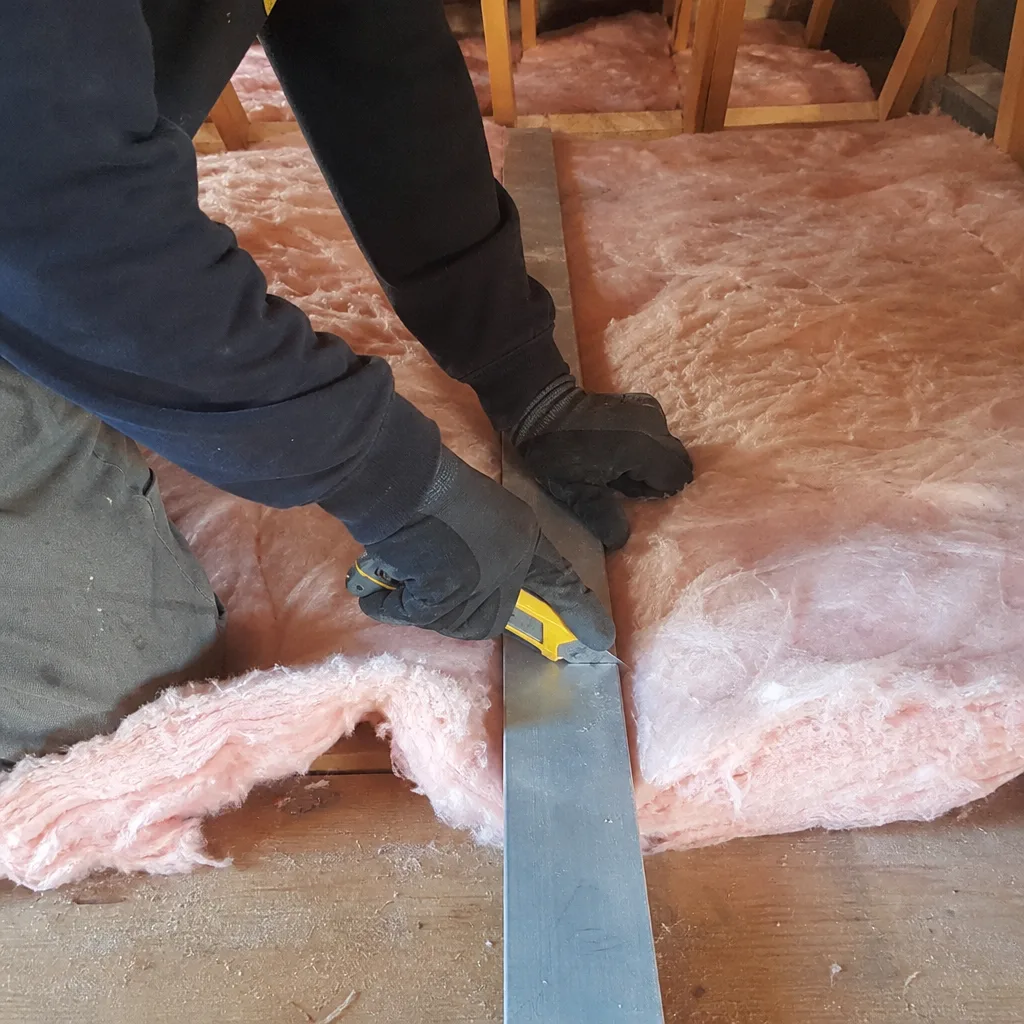
Fast, Reliable Attic Insulation Across Temple City
Attic insulation in Temple City typically costs $1,800 to $4,200 for a full retrofit on a 1,200 – 1,800 square foot home, with blown-in fiberglass or cellulose running $1.50 to $3.00 per square foot and spray foam starting around $3.50 per square foot. Most jobs are completed in one day, though the real variable here isn’t square footage, it’s access. The tight-packed 1940s – 1960s stucco bungalows that define Temple City’s street grid mean our crew often has to hand-carry equipment through a side yard too narrow for a truck. We plan for that before we ever quote the job. If you’re ready to stop losing conditioned air through a shallow, unsealed attic, call (855) 382-3451 for a free estimate.
Why Thermal Insulation Co Is Temple City’s Preferred Attic Insulation Company
We’re a dedicated insulation contractor, not a generalist who happens to blow in some fiberglass between remodel jobs. That focus matters in Temple City because the housing stock here demands a specific approach. Most homes along streets like Ethel Avenue and east of Temple City Boulevard were built between 1945 and 1965. Original construction rarely included wall insulation, and attic spaces were framed shallow with low-pitch roofs that leave little room to work. Homeowners across 91780 keep calling us because we show up with the right rig for the lot, not the biggest rig we own.
Ruben Castellano, who leads our team, has spent years working San Gabriel Valley attics and understands what a 1950s stucco bungalow needs that a 1990s tract house doesn’t. That includes knowing when a full-size insulation truck simply won’t fit down a narrow side yard near Cloverly Avenue, and planning equipment staging accordingly. We’re not the cheapest quote in Temple City, and we don’t try to be. We’re the crew that tells you honestly whether your ceiling joists can handle another layer, whether your soffit vents are actually venting, and whether air sealing needs to happen before insulation goes in at all.
Most single-trade competitors carry one or two product lines. We carry eight brands across fiberglass, mineral wool, spray foam, and recycled cellulose, including Owens Corning, Johns Manville, Knauf, and Rockwool. That breadth means we recommend what your home actually needs, not what happens to be on the truck. Local Temple City customers regularly tell us the difference is in the details: the crew covers the hallway floor, checks the hatch seal, and doesn’t leave cellulose dust in the living room. Response time to most Temple City addresses is 24 – 48 hours for a quote, and emergency attic work can often be scheduled within the same week.
Attic Ventilation in Temple City
Attic ventilation is the part of the job most Temple City homes get wrong before we ever arrive, because a shallow low-pitch roof traps heat faster than a taller attic ever will. Residential attic service here usually involves checking existing soffit and gable vents for blockage, replacing undersized vents, or installing baffles where none exist. Ventilation work in Temple City typically runs $400 to $1,200 depending on how many vents are needed and whether we’re adding baffles inside the attic. You need it when the attic hits 120°F or higher in summer, when the shingles show premature wear, or when your insulated attic still lets upstairs rooms bake during a 95°F stretch.
Here’s the honest part: ventilation and insulation are separate work, and insulation without ventilation is half a job. In Temple City’s inland San Gabriel Valley heat, a well-ventilated attic can run 20 – 30 degrees cooler than a sealed-up one, which means less radiant heat pressing down into your living space. We check ventilation on every attic insulation job here, even when you didn’t ask, because skipping it means the new insulation gets cooked and underperforms. We always mention ventilation before we start blowing. Ruben insists on it.
Low-pitch roof venting
Most Temple City bungalows have a 3:12 or 4:12 roof pitch, which leaves maybe two to three feet of clearance at the peak. Standard ridge vents often don’t perform well on these roofs, and powered attic fans are usually overkill. We size the soffit-to-gable ventilation ratio for your specific attic volume.
Soffit baffle installation
If you’re adding blown-in insulation, the soffit vents have to stay open or the whole system clogs. We install pre-formed baffles before we blow, keeping the intake path clear so air actually moves from the eaves up to the gable vents.
Radiant Barrier in Temple City
Radiant barrier is a reflective foil installed under the roof decking to reject heat before it radiates into the attic, and in Temple City’s long summer heat waves it’s a linear fix that makes attic insulation more effective. Installing radiant barrier in a typical 1,300 square foot Temple City ranch costs $1,000 to $2,500 depending on attic access and roof configuration. You need it when the attic passes 130°F steadily, when west-facing rooms won’t hold a temperature, or when your AC runs nonstop from June through September.
The cooling load in Temple City dominates what insulation has to do. We see this on every 1940s stucco bungalow: original ceiling joists with maybe R-11 fiberglass, soaked through with decades of heat, air leaking around top plates and light fixtures. Adding a radiant barrier under those rafters reduces heat gain by reflecting most of the sun’s energy back out. It doesn’t replace insulation. It multiplies what insulation does. That is the order that matters here, and we’d rather lose a job than sell you a radiant foil as a standalone miracle.
When radiant barrier pays for itself
Homes with west- or south-facing attics in Temple City get the strongest result. If your attic runs over 130°F by mid-afternoon, the barrier can lower your attic temp by 20°F or more, which reduces how hard your AC fights. In our experience the payback is fastest for 91780 homeowners with original single-pane windows and no wall insulation.
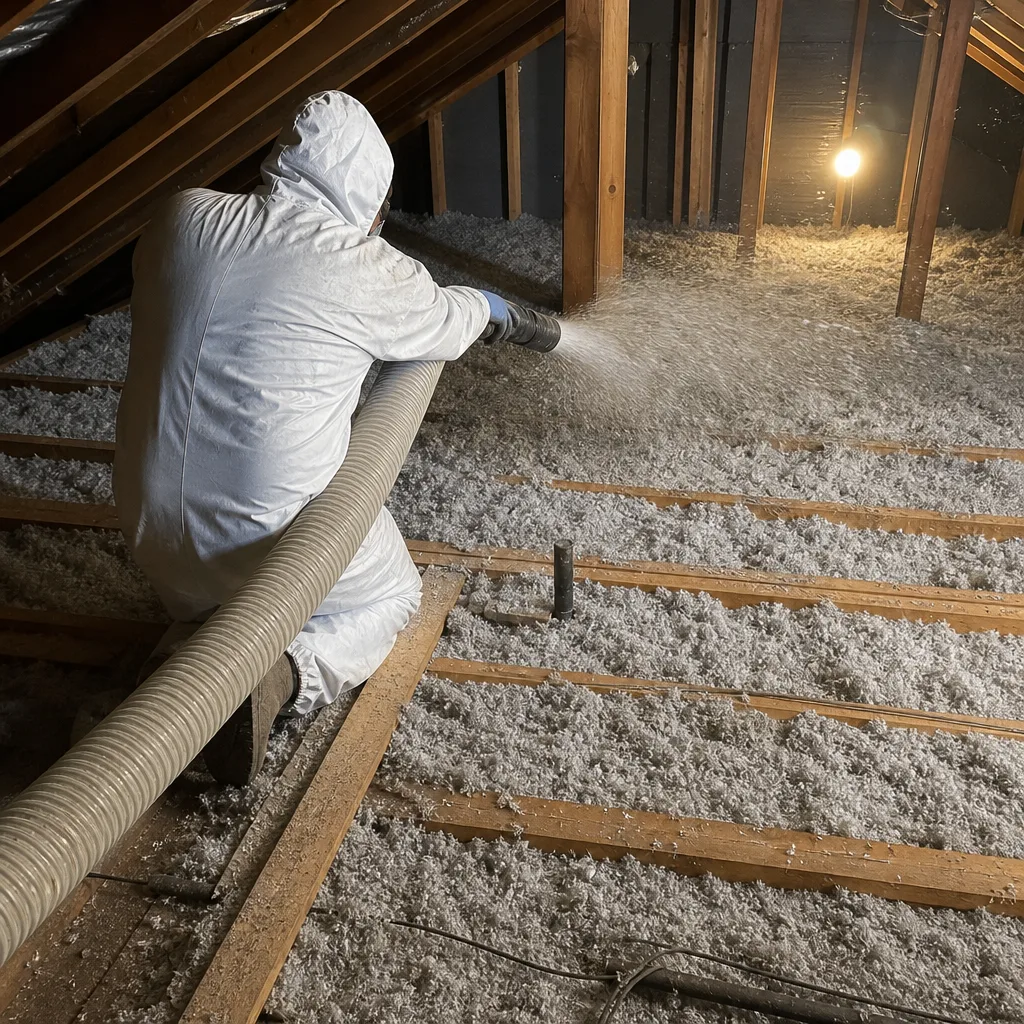
Retrofit on an existing bungalow
We can install radiant barrier without removing your existing insulation, as long as the attic is walkable and the roof deck is accessible. On a tight-pitched Temple City attic, that’s not always true. We’ll tell you if a radiant barrier makes sense before we touch the decking.
Trusted Brands We Service in Temple City
We carry Owens Corning and Johns Manville fiberglass because they’re the two most consistent batt and blown-in systems available for shallow attics, and we carry Knauf when the job specifies a specific R-value target at lower installed weight. Rockwool gets pulled for Temple City homes where fire resistance or moisture resistance matters, like an attic adjacent to a zero-lot-line wall or a bathroom vent that has been dumping humid air for years. We stock local parts for Temple City customers at our Van Nuys warehouse, so turnaround on quotes and materials runs faster than if you were waiting on a supplier drop-ship. We do not claim any brand endorsements beyond what’s confirmed, but our installers work with these products every week and can tell you where each one actually pays off.
Common Attic Insulation Problems We See in Temple City Homes
- Unsealed top plates on 1940s stucco bungalows. The gap where the exterior wall top plate meets the attic is wide open on most of these homes, which creates a chimney effect that draws conditioned air straight from the living room into a 140°F attic. Insulation alone doesn’t stop that air movement; sealing does.
- Shallow low-pitch attics with no room to work. Many Temple City attics have peak clearance under three feet, which means a full-size blower rig and standard rakes won’t reach the far soffits. We use shorter hoses and hand tools for about a third of the attics we do here, and that extra labor is part of the quote from day one.
- Blocked or missing soffit vents. Builders in the 1950s often installed fewer vents than modern code calls for, and decades of paint and stucco patchwork have closed off the rest. A low-pitch roof with no intake vent turns into an oven, and the new insulation gets defeated by trapped heat.
- Old fiberglass batts compressed and gray with dust. We regularly pull out 60-year-old batts in Temple City attics that have compacted to half their original R-value. The attic looks insulated, but the insulation died years ago. Top-up over dead batts doesn’t fix the air-sealing problem.
Pricing for Attic Insulation in Temple City, CA
Based on the attics we’ve done across Temple City, here’s what you can expect. Blown-in fiberglass or cellulose for a 1,200 – 1,500 square foot bungalow runs $1,800 to $3,200. Batt insulation of the same footprint falls in a similar range, $1,600 to $2,800 depending on R-value target and attic accessibility. A full attic insulation replacement, where we remove old material, air seal, and re-insulate, runs $2,500 to $4,500. A top-up over existing insulation runs $900 to $1,800, but only if the existing material is functional. Spray foam in a shallow low-pitch attic starts at $3.50 per square foot and climbs fast on complex decks; we’ll be straight with you when it does or doesn’t make sense. Estimates are free and include an attic inspection before any numbers are final. Call (855) 382-3451 to schedule one.
We Also Serve Cities Near Temple City
Our crews cover Temple City and the surrounding San Gabriel Valley daily, including North El Monte, Rosemead, San Gabriel, and Arcadia. If you’re in one of those neighborhoods and dealing with the same tight-lot, shallow-attic issues, the same team that works Temple City handles your job. We also maintain a full Attic Insulation service hub page with more detail on materials and methods.
Serving Temple City, CA — Our Local Coverage Area
We’re based in the Temple City area and know this community well. Use the map below to see our service coverage — if you’re nearby, we can almost certainly help.
FAQs About Attic Insulation in Temple City
Yes, in most cases. We run compact blower rigs specifically because the side yards on 1940s – 1960s Temple City bungalows shrink to just three or four feet in places. When the truck can’t reach, our crew hand-carries the GreenFiber blown-in equipment through the gap and feeds it up through the attic hatch, as we’ve done on tight blocks off Las Tunas Drive more times than we can count. That extra labor is built into the quote, not added as a surprise. Call (855) 382-3451 and we’ll tell you realistically what access your street allows.
Yes, and this is the most common job we do in Temple City. Shallow attics mean run-of-the-mill rigid batt installs and standard blower hoses don’t always reach the far side, so we use shorter hose segments, narrower rakes, and a lot of hand work. The result is the same coverage as a bigger attic, with a little more sweat. On one bungalow off Las Tunas Drive, our crew fed the GreenFiber hose through a low-pitch hatch, sealed the top plates and soffit gaps first, and brought an original uninsulated 1950s attic up to code in a single day.
You need it only if your attic is the dominant heat source pushing down into the rooms below, which is common in Temple City’s west-facing bungalows and ranch houses during sustained 95°F-and-up stretches. The barrier goes under the roof deck, not on top of insulation, and it works by reflecting heat before it enters the attic. We’ll check your attic temperature and orientation before recommending it. Adding barrier on top of insulation alone is backwards.
Because the stud bays in a 1950s stucco bungalow are open to the attic at the top plates, and that leak path dwarfs the conductive heat loss the insulation is supposed to address. If we blow insulation over unsealed top plates and light fixtures, conditioned air still escapes into the attic, and the insulation just gets bypassed. We seal top plates, wire penetrations, and bathroom fan housings before any material goes in. Skipping that step wastes the new insulation.
No. Attic insulation is done from inside the attic, through the hatch or the attic floor. Drilling into stucco is for wall insulation retrofits, which is a different process. We will need to get equipment through your side yard and into the attic, but the stucco exterior stays untouched for attic work. If you’re also considering wall insulation on a Temple City bungalow, we can discuss that separately, but it is not part of an attic insulation job.
Get a Free Attic Insulation Estimate in Temple City
If your Temple City home is baking through summer and running the AC nonstop, the attic is almost always the first place to look. We’ll inspect it, tell you what’s actually wrong, and give you a written quote based on your attic’s real access, not a generic square-footage number. Call (855) 382-3451 today to schedule your free estimate. Ruben Castellano and the Thermal Insulation Co team have been doing this work across the San Gabriel Valley long enough to tell you straight what your attic needs, and what it doesn’t.
Written by Ruben Castellano, Owner at Thermal Insulation Co, serving Temple City and the San Gabriel Valley.