
Fast, Reliable Attic Insulation Across Sunnyslope
Attic insulation in Sunnyslope isn’t a luxury upgrade, it’s a corrective retrofit. Most homes in the 92509 ZIP were built between the 1950s and 1980s with insulation that was barely adequate then and has since settled, compressed, or degraded under decades of triple-digit summers. We’re Thermal Insulation Co, and we work throughout the Jurupa Valley area replacing underperforming attic insulation with materials matched to how Sunnyslope homes actually behave in extreme inland heat. If your cooling bills climb every summer while your upstairs rooms stay stubbornly hot, the attic is usually where the problem starts. Call (855) 382-3451 and we’ll take a look.
Why Thermal Insulation Co Is Sunnyslope’s Preferred Attic Insulation Company
We’re a dedicated insulation contractor, which means we don’t split our attention across plumbing, roofing, or HVAC side jobs. Attic insulation, blown-in, and spray foam are what we do all day, every day. Homeowners in Sunnyslope call us because we actually understand what happens inside a stucco tract home attic when outside temperatures sit above 100°F for weeks straight.
Our recommendations are driven by the home’s needs, not by whatever single brand happens to be sitting in our warehouse. We carry eight manufacturer product lines including GreenFiber, Owens Corning, Johns Manville, and Knauf, so when we tell a Sunnyslope homeowner that blown-in cellulose is the right call for their attic, it’s because it fits the specific structure and conditions we found up there, not because it’s the only option we sell.
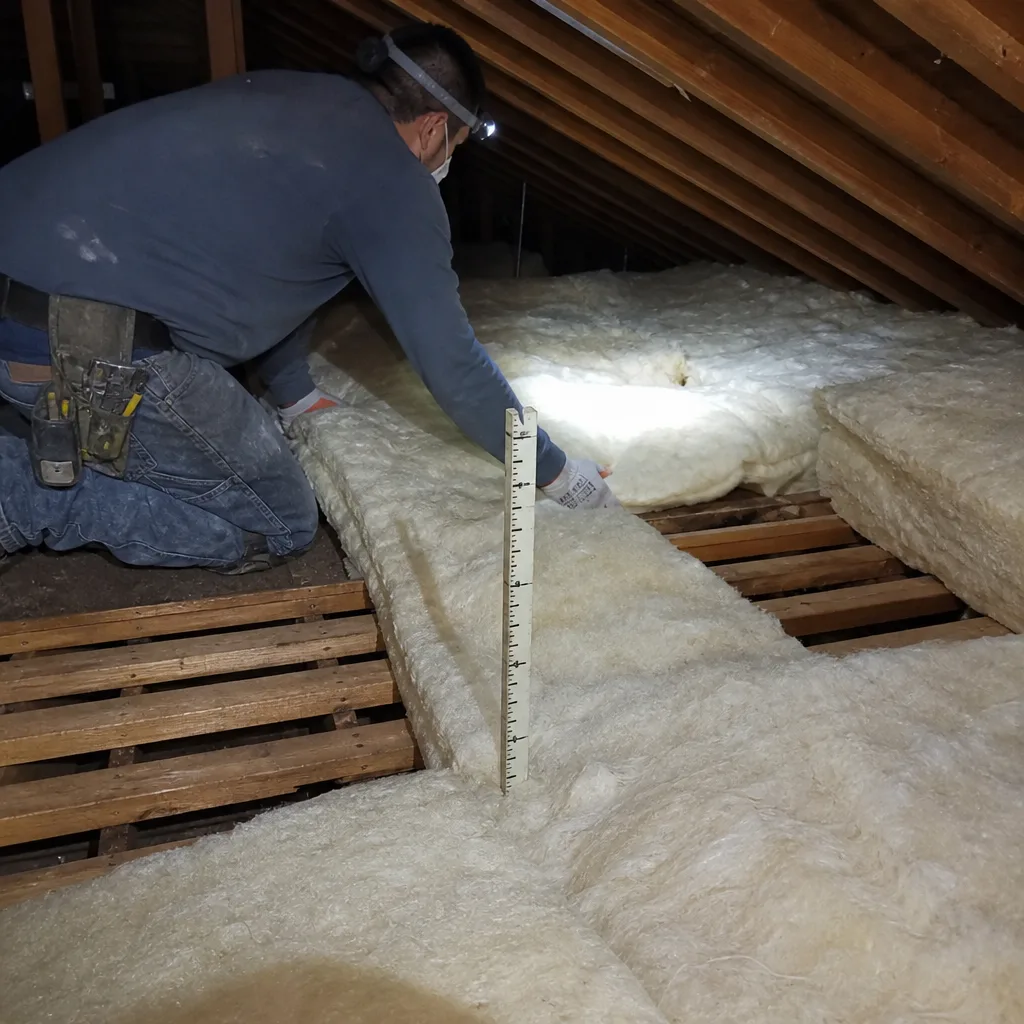
Ruben Castellano leads our team, and he’s built the company around a simple principle: measure what’s actually in the attic, diagnose why it’s failing, and only then recommend a fix. On a typical Sunnyslope job, that means crawling through a 140°F attic to check batts, venting, and any signs of moisture before making a single recommendation.
Attic Ventilation in Sunnyslope
Attic Ventilation is the first thing we assess on any Sunnyslope job, because the failure pattern here is predictable and severe: undersized or blocked soffit vents let attic temperatures climb past 150°F, which doesn’t just make the living space miserable, it actively cooks the insulation itself. Fiberglass batts subjected to that kind of heat cycling compress faster and lose rated R-value sooner, turning an insulation replacement into a temporary fix unless the ventilation problem is addressed in the same pass. In Sunnyslope, attic ventilation runs roughly $350 to $900 depending on whether we’re correcting existing venting or adding intake and exhaust capacity where none existed.
Soffit and exhaust correction
Many Sunnyslope homes have soffit vents that exist on paper but are blocked by decades of paint, insulation shoved into the eaves, or original baffles that were never installed correctly. We clear and repair the intake path, add baffles where needed, and verify exhaust venting moves air the way it should.
Re-venting alongside insulation
The highest-ROI approach in Sunnyslope is almost always ventilation and insulation done together. When we pull old insulation and find that the attic has been baking at 150°F because two soffit vents are doing the work of eight, adding insulation alone would just trap more heat. We fix the airflow so the new insulation actually stays effective.
Radiant Barrier in Sunnyslope
Radiant Barrier installation in Sunnyslope addresses the single biggest heat load on these homes: direct solar gain through the roof deck radiating straight down into the attic. In this part of Riverside County, a stucco house with a dark composition shingle roof can generate attic temperatures above 150°F by mid-afternoon in July. A radiant barrier attached to the underside of the roof deck reflects a large portion of that radiant heat back out before it ever reaches your insulation or living space. Radiant barrier work in Sunnyslope generally runs $900 to $1,800 depending on attic size and accessibility.
Heat reflection for stucco tract homes
The 1950s – 1980s housing stock in Sunnyslope has minimal attic depth, which limits how much ceiling insulation you can practically retrofit. Radiant barrier is particularly valuable here because it reduces heat gain without consuming any of the limited space between the ceiling joists and the roof deck.
Cooler attics, easier work for the insulation
A radiant barrier makes every inch of insulation below it work harder. When attic temps drop from 150°F to 110°F or 120°F, the thermal gradient across whatever you have installed up there narrows significantly, which means less heat migration into the conditioned living space.
Trusted Brands We Service in Sunnyslope
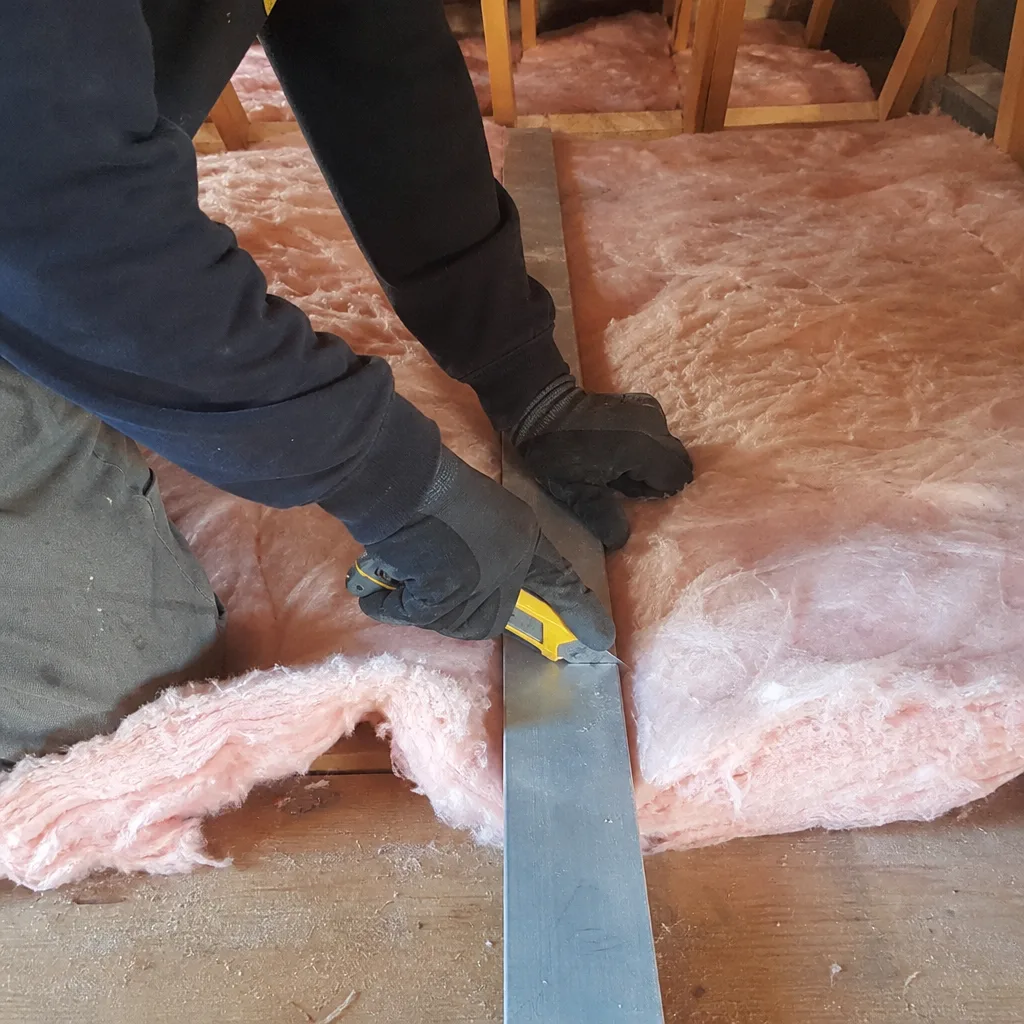
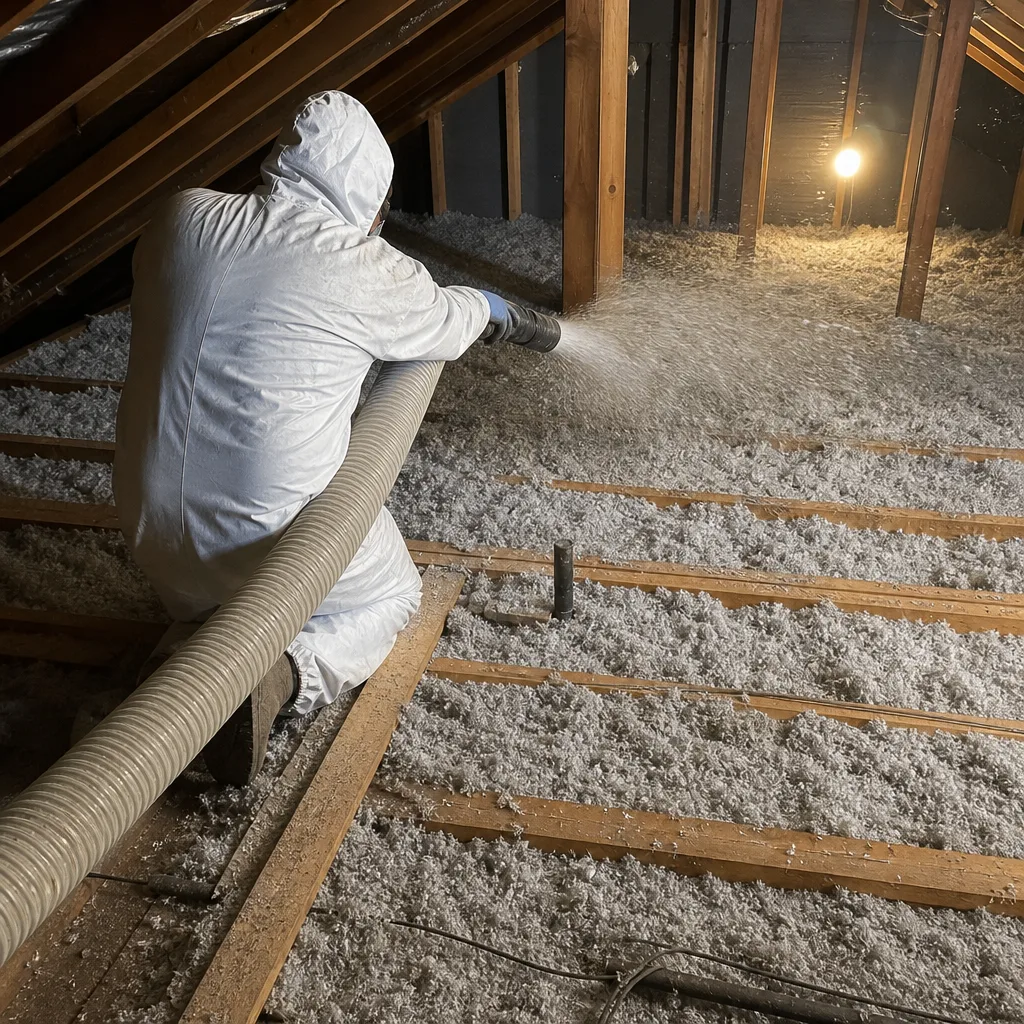
We stock multiple product lines from eight nationally recognized manufacturers, and that matters in Sunnyslope because no two attics respond the same way to the same material. GreenFiber cellulose is our go-to for older attics where we need to settle material around irregular framing and electrical runs. Owens Corning and Johns Manville fiberglass batts make sense for clean, accessible attic floors where homeowners want a straightforward, economical R-38 upgrade. Knauf products come in when we need a specific facing or density option. Because we hold inventory locally for Sunnyslope work, we can usually start within days, not weeks. That’s the practical advantage of a dedicated insulation company rather than a generalist contractor who orders materials per job.
Common Attic Insulation Problems We See in Sunnyslope Homes
- Compressed original fiberglass batts. Decades of 100°F+ heat cycling in Sunnyslope attics settles and compacts fiberglass to a fraction of its rated R-value. What started as R-19 or R-30 often measures closer to R-8 by the time we open the attic.
- Insulation saturated from slow roof leaks. Matting and staining from long-ago leak intrusion hides decking rot and halves the insulation’s thermal performance. We’ve found this on homes near Rubidoux Boulevard and throughout the 92509 ZIP.
- Blocked or missing soffit venting. Original venting that was always marginal gets progressively blocked by paint, paper, and insulation settlement. The attic then holds heat, the insulation degrades, and the cooling system runs constantly.
- Inadequate coverage at the eaves. Older Sunnyslope homes frequently have bare spots where insulation was never installed to the full depth at the perimeter. Those thin edge zones act like a thermal bypass around the rest of the attic floor.
Pricing for Attic Insulation in Sunnyslope, CA
A full Attic Insulation replacement in Sunnyslope typically runs $1,200 to $2,600 for a standard single-story stucco home, depending on square footage, access, and whether we’re removing degraded material first. Blown-in cellulose top-ups over existing insulation run $800 to $1,400 when the existing material is still sound. Attic batt insulation for clean, open attics sits between $900 and $1,800. Ventilation correction adds $350 to $900, and radiant barrier runs $900 to $1,800 as noted above. What changes the number most is attic condition: if we’re pulling compressed batts and discovering hidden decking issues, the scope grows. We give free estimates, so call (855) 382-3451 and we’ll give you a fixed number before any work begins.
We Also Serve Cities Near Sunnyslope
Our service area covers Sunnyslope and the surrounding Jurupa Valley communities. If you’re in Glen Avon, Pedley, Rubidoux, or Riverside, we can usually schedule an attic inspection within the same timeframe as our Sunnyslope work. The failure patterns we see in these neighboring areas mirror what we find in 92509: aging stucco stock, extreme summer heat, and attics that haven’t been properly insulated since they were built. Call (855) 382-3451 and mention your city when you schedule.
Serving Sunnyslope, CA — Our Local Coverage Area
We’re based in the Sunnyslope area and know this community well. Use the map below to see our service coverage — if you’re nearby, we can almost certainly help.
FAQs About Attic Insulation in Sunnyslope
In most 1970s Sunnyslope homes, the insulation is genuinely underperforming, not just old. Fiberglass batts installed in that era typically rated R-19 or less, and after 50 years of 150°F attic heat cycling, they’ve compressed to a fraction of that spec. We routinely measure settled material at 2 to 4 inches, which translates to about R-8 to R-10. That’s not a cosmetic issue, it’s doing almost nothing to slow heat transfer. Call (855) 382-3451 and we’ll measure exactly what’s up there before recommending anything.
Yes, significantly. Sunnyslope sits inland in the Jurupa Valley with almost no coastal cooling influence. On a 102°F day, a stucco home here can develop attic temperatures above 150°F, while coastal areas 40 miles west rarely exceed 120°F in the attic. That extra 30 degrees is what destroys insulation faster and makes ventilation correction a prerequisite on most of our Sunnyslope jobs.
We check the condition and depth of whatever insulation is already there, then we check the venting. In Sunnyslope, those two variables explain the vast majority of comfort and energy complaints coming from the attic. If the insulation has settled and the soffit vents are blocked, we already know the homeowner has been fighting a losing battle with their air conditioner for years.
Yes, and it’s one of the highest-ROI improvements for this specific housing stock. When an attic that’s been holding 150°F heat is brought to R-38 with proper ventilation, the temperature differential across your ceiling drops sharply, and the cooling system stops running in long, continuous cycles. Homeowners report noticeable drops the first full summer month. We can’t promise a specific percentage without seeing the attic, but the building science is consistent.
Yes. If the existing insulation is still in acceptable condition, we can install or correct venting and add a radiant barrier independently. That said, in Sunnyslope we often find the insulation has already degraded enough that doing all three together makes financial sense, because the labor overlap means lower combined cost than three separate projects. We’ll tell you honestly which route fits your attic’s actual condition.
We opened a single-story stucco home off Rubidoux Boulevard near the Sunnyslope border and found original fiberglass batts compressed to about two inches under a roof deck that had seen years of heat cycling and a slow ceiling leak. We pulled the degraded material, sealed and re-vented the attic, and blew in GreenFiber cellulose across the full footprint while adding a radiant barrier to knock down the 150°F attic temps. The homeowner reported their summer cooling bill dropping noticeably the first full month. For your Sunnyslope home, call Thermal Insulation Co at (855) 382-3451 for a free attic assessment and an honest recommendation based on what’s actually up there.
Written by Ruben Castellano, Owner at Thermal Insulation Co, serving Sunnyslope and the Jurupa Valley with dedicated insulation expertise.