
Fast, Reliable Attic Insulation Across Sierra Madre
Sierra Madre attics take a beating. Between the August sun hammering foothill roofs and Santa Ana winds pushing hot air through every gap, a poorly insulated attic turns the rooms below into an oven. Most homes in the Village and the hillside streets above Baldwin Avenue were built between 1900 and 1955, and their original insulation, if it exists at all, has settled to near nothing. We’re a dedicated insulation contractor based in Van Nuys, and we work in Sierra Madre regularly because the housing stock here demands more care than the tract homes down in the valley. If your upstairs rooms won’t cool down after sundown, call us at (855) 382-3451. We’ll tell you what’s actually going on in that attic and what it will take to fix it.
Why Thermal Insulation Co Is Sierra Madre’s Preferred Attic Insulation Company
Sierra Madre homeowners don’t need a generalist who does insulation on the side. They need someone who understands why a 1923 Craftsman bungalow off Mountain Trail Avenue behaves differently than a 1990s Spanish Revival near the Sierra Madre Boulevard corridor. We’ve spent years working in attics across 91024 and 91025, and we know what we’ll find before we even pull the ladder down: settled rock wool, wood shavings, maybe live knob-and-tube wiring, and a roof deck that’s been cooking at 140°F all summer. That context matters. Our Attic Insulation team carries eight insulation brands because no single material is right for every foothill home. We’ll recommend what fits your roof pitch, your wiring situation, and your cooling load, not what we happen to have left in the truck.
Ruben Castellano leads our crew. He’s the one who insists on air-sealing before we ever blow in a bag of fiberglass, because sealing the top plates and penetrations is what actually stops the hot air from pouring down through your ceiling. Homeowners across Sierra Madre call us after a heat wave, frustrated that their air conditioner runs nonstop and the upstairs bedrooms still feel like a sauna. We show up, document what we find, and explain what we’re going to do before we do it.
Insulation Contractors in Sierra Madre
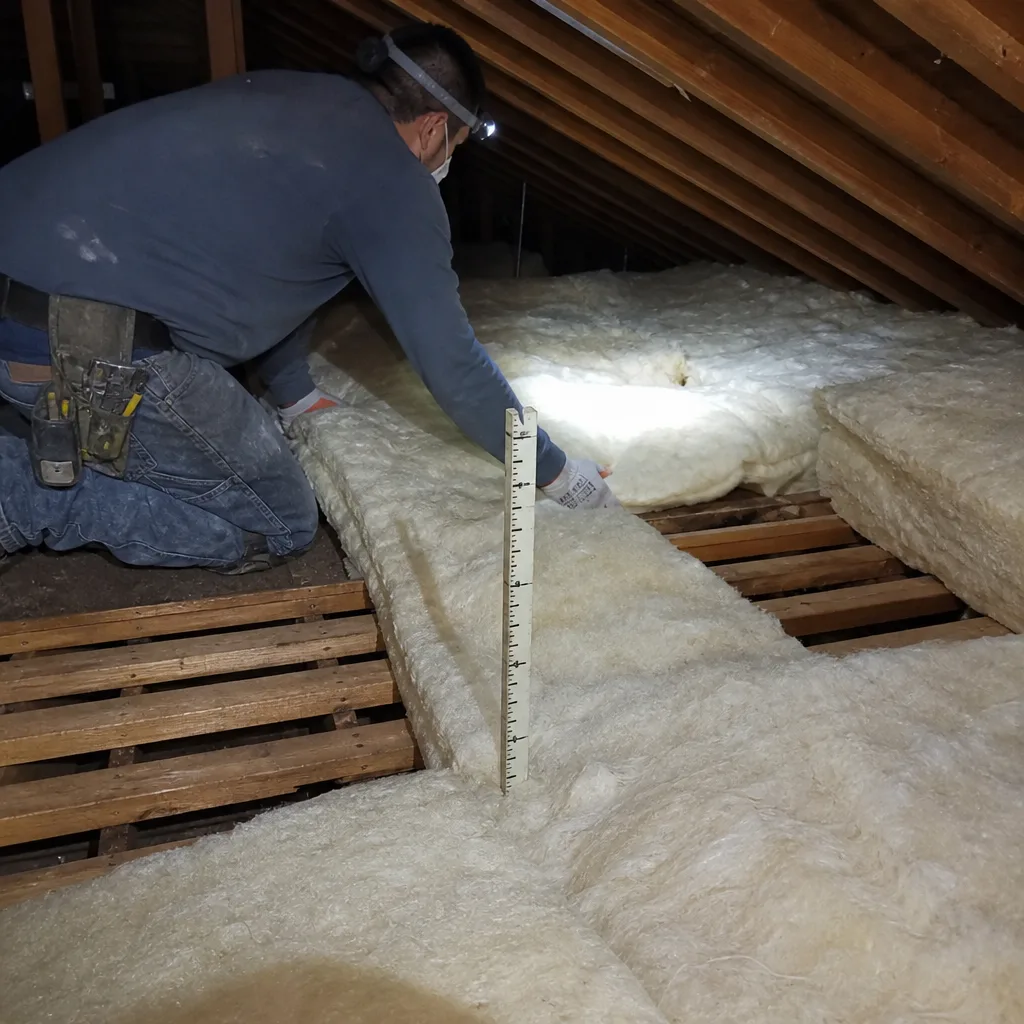
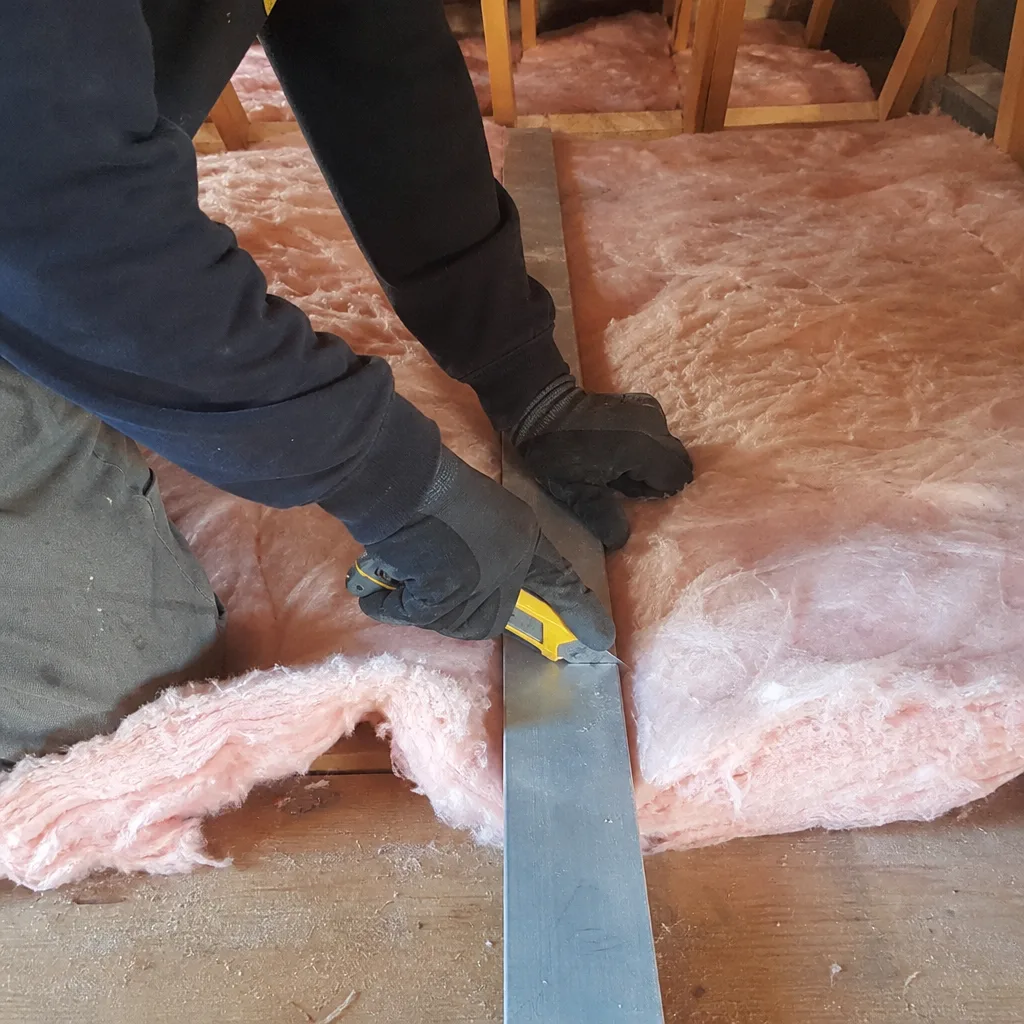
Insulation contractors in Sierra Madre do more than pump loose-fill into an attic and leave. The job here starts with a careful look at what’s already up there: the condition of the roof deck, the presence of old wiring, the state of the existing vents, and whether the attic floor is even safe to walk on. In a 1940s bungalow near Kersting Court, that often means tiptoeing over joists and documenting everything with photos. Sierra Madre homeowners need this when the upstairs rooms stay hot until midnight, or when the heating bill in January is double what it should be for a 1,100-square-foot house. A typical attic insulation top-up in Sierra Madre runs $1,400 – $2,800. A full removal of old, compacted material plus new blown-in insulation runs $3,500 – $6,500. Both figures assume we’re working around existing wiring, not re-routing it.
Removal of Legacy Insulation
Many Sierra Madre attics have an inch or two of rock wool or wood shavings that settled decades ago. It’s not doing anything. We vacuum it out, inspect the cavity, and start fresh. This also lets us see exactly where air is leaking through the ceiling below.
Blown-In Refit With Air Sealing
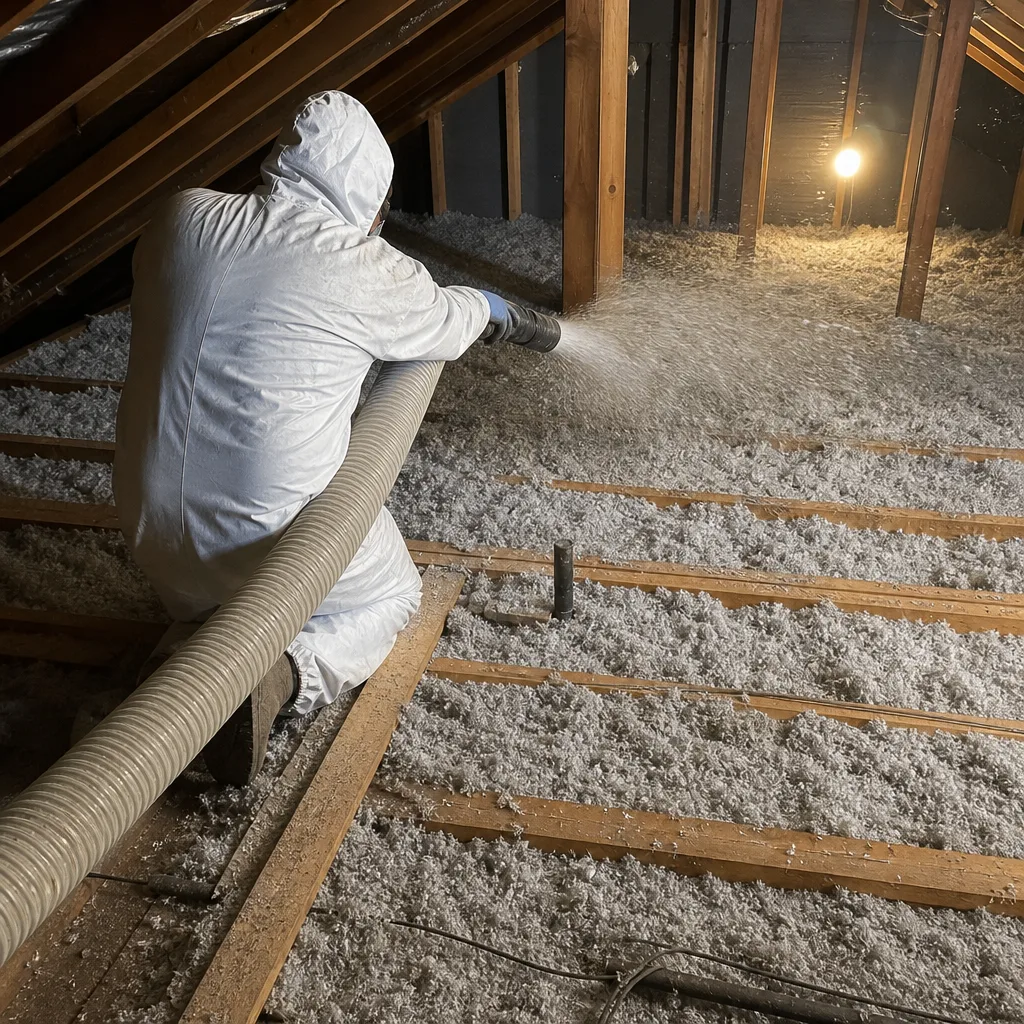
After the old material is out and the wiring is squared away, we seal the top plates, plumbing penetrations, and any chases that run from the living space into the attic. Then we blow in fiberglass or cellulose to the R-value your home actually needs. For most Sierra Madre homes, that’s R-38 to R-49.
Attic Ventilation in Sierra Madre
Attic ventilation in Sierra Madre matters just as much as insulation, especially on the canyon-adjacent streets near the Angeles National Forest boundary. A properly vented attic lets the superheated air escape instead of baking your insulation and the ceilings below it. Sierra Madre homeowners need this when the attic temperature climbs 40 degrees above the outdoor air, or when they notice heat radiating through the upstairs ceiling at 9pm on a summer night. A typical attic ventilation upgrade here runs $850 – $1,900 for new or replacement soffit and ridge vents, depending on roof access and how many linear feet of venting the attic needs. Ember-resistant vent screens, which we recommend for homes near the wildland edge, add $300 – $600.
Radiant Barrier and Ember-Resistant Vents
The sun hits Sierra Madre roofs hard. A radiant barrier under the roof deck reflects some of that heat back out, similar to how Reflectix repair in Sierra Madre works to block radiant heat. We pair it with ember-resistant ventilation on homes that sit close to the forest boundary, where wind-driven embers are a genuine concern during Santa Ana events.
Baffles and Soffit-to-Ridge Airflow
Old attics often have soffit vents blocked by debris or buried under decades of dust. We install baffles to keep the airflow path open from the soffits up to the ridge. Without that convection, even R-49 insulation can’t keep the upstairs cool.
Trusted Brands We Service in Sierra Madre
We stock Owens Corning and Johns Manville fiberglass because they deliver consistent R-value per inch and hold up well in hot, dry attics. We carry GreenFiber cellulose for homeowners who want a recycled-content option, and we’ve used it extensively on older Sierra Madre homes where the irregular joist spacing makes batt installation impractical. Knauf rounds out the fiberglass line for tighter clearances. Because we stock competing brands rather than pushing one product, the recommendation you get from us is based on your attic’s actual conditions: moisture levels, wiring constraints, joist spacing, and your cooling load. We keep common materials on hand for Sierra Madre jobs, which shortens turnaround time when you’re trying to get the work done before the next heat spike.
Common Attic Insulation Problems We See in Sierra Madre Homes
- Compacted rock wool or wood shavings at R-2 to R-4. The original material in 1920s bungalows has settled to almost nothing. It reads as “insulated” on paper, but it’s effectively an empty attic.
- Live knob-and-tube wiring stapled to joists. You can’t blow insulation over active knob-and-tube. It’s a fire hazard and a code violation. Many Sierra Madre homes need an electrician to re-route or de-energize those circuits before we can proceed.
- Missing or damaged ember-resistant vents at canyon-edge homes. Wind-driven embers and hot Santa Ana air push through gaps in old gable vents. That undermines both fire safety and the thermal barrier.
- Buried or blocked soffit vents. Even in homes where insulation exists, dust, old debris, or earlier sloppy work blocks the airflow path. The attic turns into a stagnant hotbox that radiates heat into the rooms below.
Pricing for Attic Insulation in Sierra Madre, CA
Here’s what we see in Sierra Madre, based on the housing stock and attic conditions in 91024 and 91025. An attic insulation top-up over existing material runs $1,400 – $2,800, depending on square footage and whether we need to install baffles first. A full removal of legacy insulation plus new blown-in coverage runs $3,500 – $6,500. If knob-and-tube remediation is required, that’s separate electrician work, typically $2,000 – $4,500 depending on how many circuits need attention. Ember-resistant ventilation upgrades add $850 – $1,900. Every quote is specific to your attic, and estimates are free. Call (855) 382-3451 and we’ll schedule a walkthrough.
We Also Serve Cities Near Sierra Madre
If you’re in Arcadia, East Pasadena, Mayflower Village, or Monrovia, we handle attic insulation work there too. But the reason we spend so much time in Sierra Madre specifically is the age and character of the homes: bungalows, cottages, and period houses that need more than a one-size-fits-all blow-in. Our Attic Insulation in Sierra Madre work informs how we approach the neighboring foothill communities.
Serving Sierra Madre, CA — Our Local Coverage Area
We’re based in the Sierra Madre area and know this community well. Use the map below to see our service coverage — if you’re nearby, we can almost certainly help.
FAQs About Attic Insulation in Sierra Madre
Yes, but wiring remediation comes first. We won’t blow insulation over active knob-and-tube because it creates a fire hazard. The typical sequence is: we inspect, you bring in a licensed electrician to re-route or de-energize the affected circuits, then we proceed with air sealing and insulation. If you need a referral for the electrical work, we can recommend electricians who are familiar with Sierra Madre’s older homes. Call (855) 382-3451 and we’ll walk you through the sequence.
For most Sierra Madre homes, we recommend R-38 to R-49, with R-49 being the target for single-story bungalows with steep sun exposure. The heat rejection matters more than the winter performance here, so ventilation and air sealing are just as important as the R-number itself. An unvented attic with R-49 still cooks.
It pushes us toward ember-resistant venting and mineral wool in some assemblies. Homes near the open-space edges of the Angeles National Forest boundary need vents that won’t let wind-driven embers into the attic. Rockwool (mineral wool) has excellent fire resistance, and we use it in attics where fire performance is a priority. GreenFiber cellulose is treated with a fire retardant and is also a reasonable choice for older homes.
Yes. Lath-and-plaster isn’t touched by an attic blow-in since we work from above. The key is sealing the top plates where the walls meet the attic floor, which is exactly where the hot air pours through. We take care around the plaster keys and never put weight where the ceiling below can’t support it.
Most jobs take one to two days. A straightforward top-up over existing insulation is usually a single day. A full removal, air sealing, and re-insulation runs two days. If electrician work is needed for knob-and-tube, add whatever time that takes, typically another day or two. We’ll give you a firm timeline before we start, so you can plan around it.
Written by Ruben Castellano, Owner at Thermal Insulation Co, serving Sierra Madre and the San Gabriel foothills.