
Fast, Reliable Attic Insulation Across Rolling Hills Estates
Attic insulation in Rolling Hills Estates isn’t a one-material job. Homes here sit on the Palos Verdes Peninsula, where marine-layer damp, salt air, and canyon-edge wind change what a retrofit should look like before the first batt goes down. We’re Thermal Insulation Co, and we work this city’s hillside homes every week. If your attic is losing conditioned air or your vaulted ceiling sweats on foggy mornings, call us at (855) 382-3451 for a free estimate. We know what actually holds up here, and what doesn’t.
Why Thermal Insulation Co Is Rolling Hills Estates’s Preferred Attic Insulation Company
Rolling Hills Estates homeowners call us because we don’t show up with one product and a script. We’re a dedicated insulation contractor, not a generalist who happens to carry a few batts. That matters on these lots. A mid-century ranch off Palos Verdes Drive North has different cavity depths than a newer custom build above the canyon, and forcing the same insulation into both is how attics end up with compressed batts and dead air pockets.
Our crews regularly work the hillside streets between Crenshaw Boulevard and the Peninsula slopes. We’ve been inside enough of these attics to know that windward bays near ridge lines don’t behave like interior ones. The response time to Rolling Hills Estates is typically same-day or next-day for estimates, and our team knows the 90505 ZIP well enough to plan around narrow roads and steep driveways that make staging equipment a real consideration.
Ruben Castellano leads the company with a simple rule: match the material to the house, not the house to whatever’s in the truck.
Attic Insulation Removal in Rolling Hills Estates
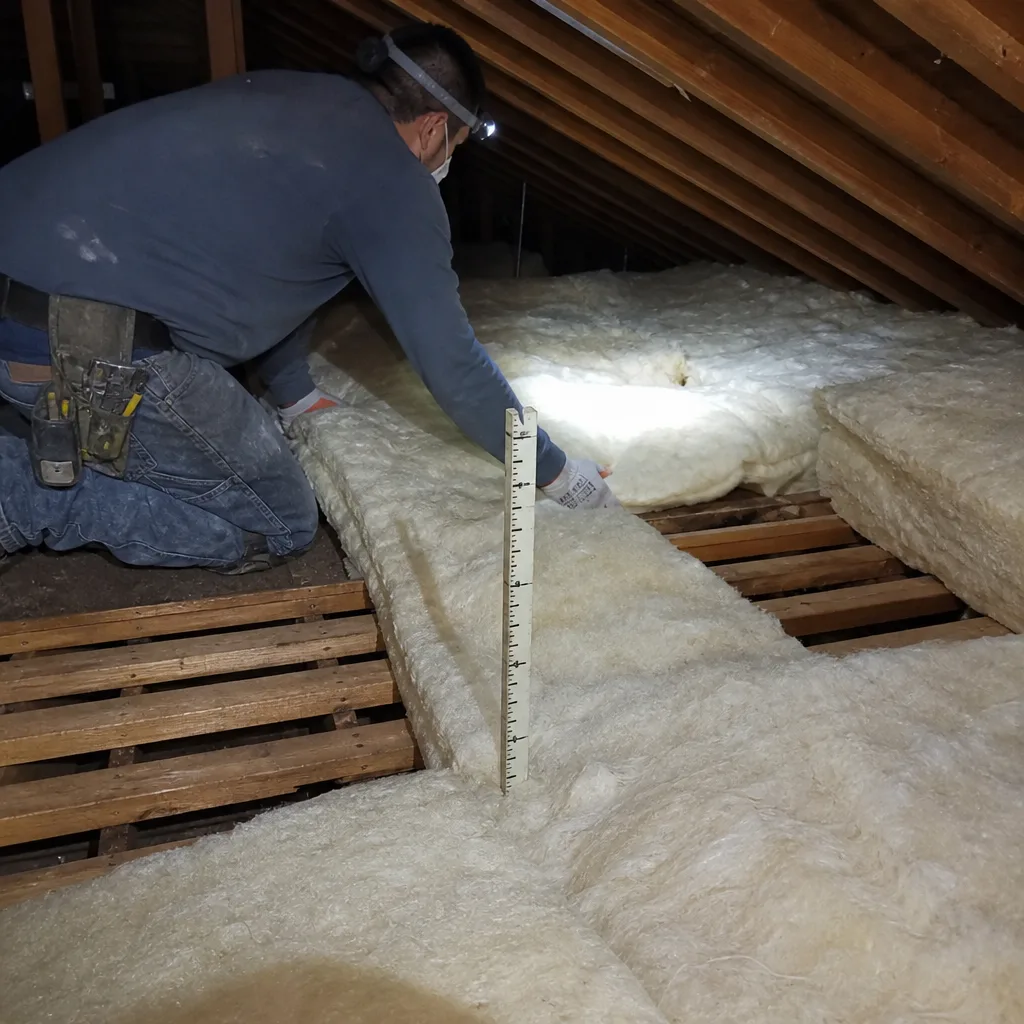
Attic Insulation Removal in Rolling Hills Estates usually starts with a problem you can’t see from the hatch: wind-driven damp, rodent tunnels, or decades of compression that turned your R-30 batts into R-15 performance. We remove the old material, bag it, and inspect what’s underneath before anything new goes in. A typical removal in Rolling Hills Estates runs $1.20 to $2.60 per square foot depending on depth and access, with hillside ranch homes often anchoring the lower end and tight vaulted cavities the upper.
When removal beats a top-up
If the existing batts show rat tunnels or damp stains along the sheathing, adding fresh insulation on top just hides the issue. On canyon-edge lots, rodent-disturbed and wind-washed bays frequently share the same space, and the only honest fix is pulling both out.
What we look for once the attic is clear
Open bays make it possible to check baffle placement, seal windward gaps, and measure actual cavity depth. That last step matters for Rolling Hills Estates specifically, where vaulted and cathedral ceilings often leave less room than the old insulation pretended to fill.
Insulation Contractors in Rolling Hills Estates
Insulation Contractors in Rolling Hills Estates should be able to explain why marine damp behaves differently than inland heat, and back that explanation with the right material. We’re one of the few crews on the Peninsula carrying fiberglass, mineral wool, cellulose, and both open-cell and closed-cell spray foam under one roof. That range matters here because a shaded, tree-covered attic near the canyon often needs moisture-resistant details that a standard fiberglass job won’t address.
Baffling and sealing on windward slopes
The Peninsula’s exposed ridge lines push wind into attic bays off slopes, and that wind carries salt air and fog. Sealing the windward side and installing baffles before insulation goes down is the difference between a retrofit that holds and one that’s wet by spring.
Shallow-cavity retrofits
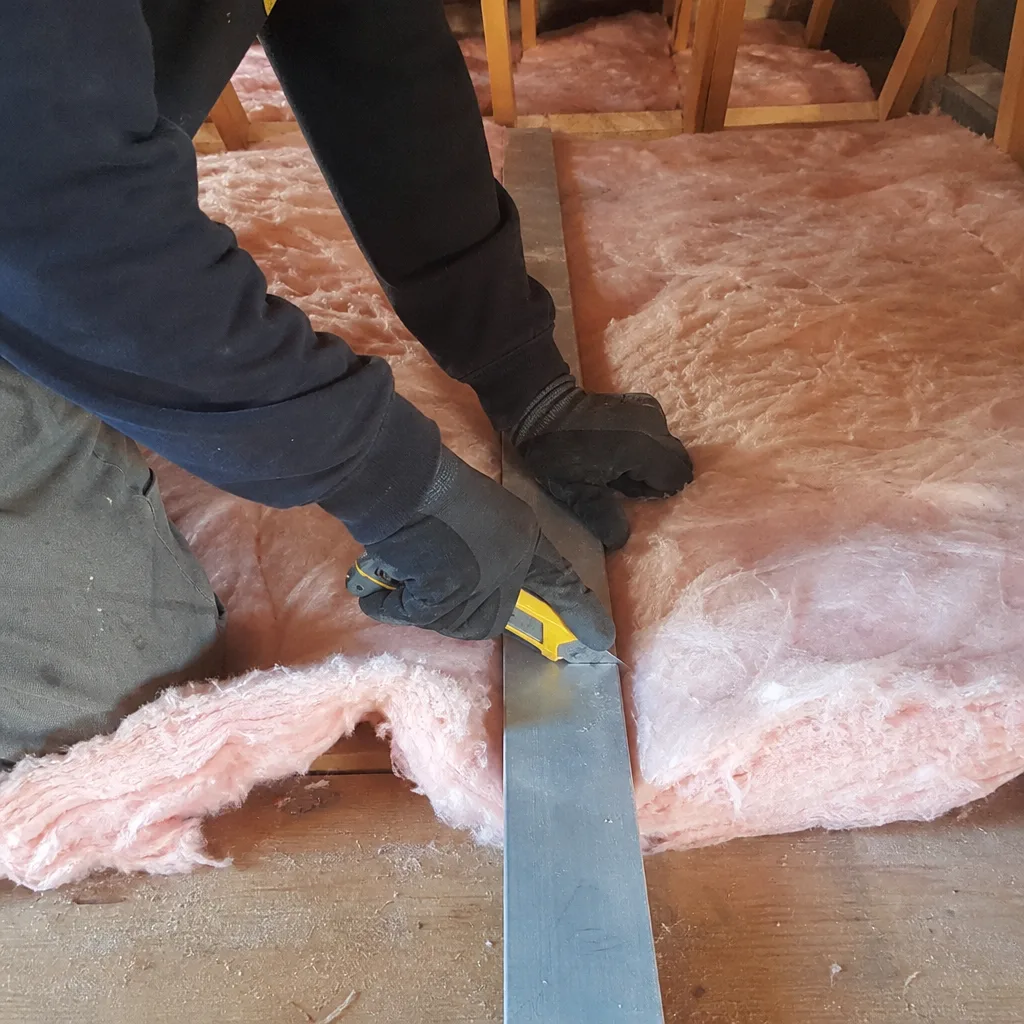
Split-level and ranch homes from the 1950s through 1970s dominate this city’s housing stock. Their vaulted ceilings often have 2×6 or smaller rafters, which means a full-depth batt would compress and lose R-value. We match the material to the actual cavity, not the label on the bag.
Trusted Brands We Service in Rolling Hills Estates
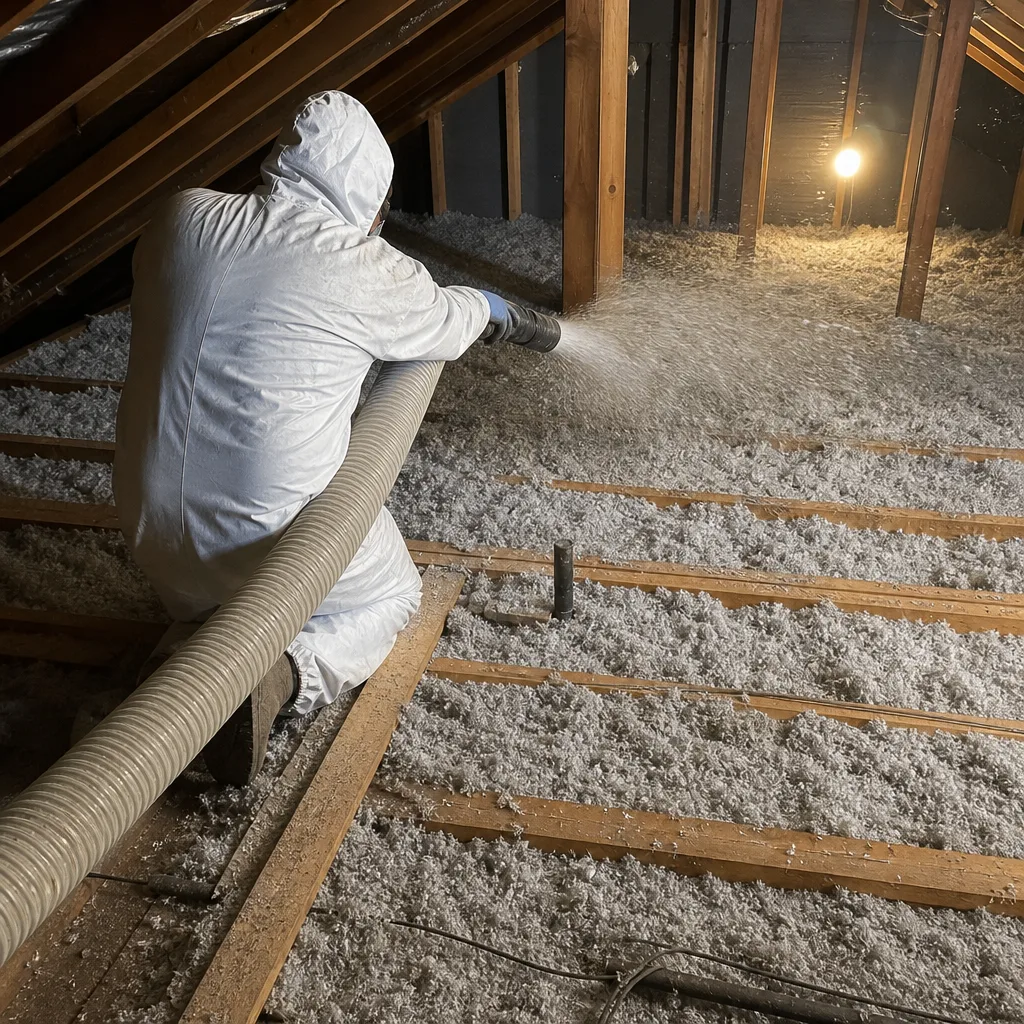
We carry Owens Corning and Johns Manville for standard batt and blown-in applications, and GreenFiber when a homeowner wants a recycled-content option that handles Rolling Hills Estates’s damp attic conditions well. Because we stock multiple manufacturers, our recommendation isn’t tied to inventory pressure. For a shaded mid-century attic with marginal venting, we might spec Rockwool. For a deep open attic above a custom build, GreenFiber cellulose often makes more sense. We keep material staged for quick turnaround to the 90505 ZIP, so a removal and re-insulation job doesn’t leave your ceiling open longer than it needs to be.
Common Attic Insulation Problems We See in Rolling Hills Estates Homes
- Wind-washed and rodent-disturbed bays on the windward side. Ridge-edge and canyon-facing lots expose attic bays to Pacific wind that compresses fiberglass and carries damp into the same spaces rats like to tunnel. New batts won’t fix this unless sealing and baffling happen first.
- Compressed batts in vaulted and cathedral cavities. The shallow rafter depths common to 1950s-1970s ranch and split-level homes in Rolling Hills Estates mean over-thick insulation gets crushed. Crushed insulation doesn’t perform, no matter the R-value printed on the label.
- Condensation from shaded attic venting. The city’s mature tree canopy shades many attics enough that they never fully dry out after foggy mornings. Moisture lingers, settles in low bays, and degrades fiberglass over a few seasons.
- Old mid-century venting that can’t keep up. Many original homes here have soffit and ridge venting designed for a drier climate. The marine layer off the Pacific tests that design daily, and the result is damp that works its way into insulation at the eaves.
Pricing for Attic Insulation in Rolling Hills Estates, CA
A full attic insulation removal and re-insulation in Rolling Hills Estates typically runs $3,800 to $8,400 for a standard single-family home, with the spread driven by square footage, cavity depth, and whether the windward side needs sealing and baffle work. A top-up over existing insulation runs $1,800 to $3,500 when the current material is dry and intact. Attic batt insulation for a shallow vaulted ceiling retrofit often lands between $2,200 and $4,500 depending on access. Spray foam runs higher, typically $2.10 to $3.40 per board foot installed, because it demands different equipment and staging on hillside lots. We give a written estimate before any work starts. Call (855) 382-3451 to schedule a free one.
We Also Serve Cities Near Rolling Hills Estates
Our trucks cover the South Bay and Peninsula daily. We work in Manhattan Beach, Torrance, Lomita, and Palos Verdes Estates, which means we’re never far from Rolling Hills Estates when an attic needs attention. This is our Attic Insulation specialty, and we bring the same material range and method selection to every Attic Insulation in Rolling Hills Estates job.
Serving Rolling Hills Estates, CA — Our Local Coverage Area
We’re based in the Rolling Hills Estates area and know this community well. Use the map below to see our service coverage — if you’re nearby, we can almost certainly help.
FAQs About Attic Insulation in Rolling Hills Estates
Attic insulation in Rolling Hills Estates fails faster because the Palos Verdes Peninsula combines persistent marine damp, salt air, and wind-driven intrusion from exposed canyon and ridge edges. Inland attics dry out after rain; shaded Peninsula attics often don’t. The windward side of these homes takes constant Pacific wind that compresses batts and pushes moisture into the same bays rodents disturb. A batt-only approach ignores all of that. Call us at (855) 382-3451 and we’ll check the windward side first.
Yes, but it requires matching the insulation to the actual cavity depth instead of defaulting to a standard batt. Many mid-century ranch and split-level homes in Rolling Hills Estates have 2×6 rafters that can’t hold a full-depth R-30 batt without compression. We measure the cavity, then spec the right product. Rockwool works well in shallow, moisture-exposed cavities, and we’ve used it on split-level homes off the Peninsula slopes where vaulted ceilings were bleeding heat every foggy morning.
On canyon-edge lots in Rolling Hills Estates, the windward side must be sealed and baffled before any new insulation is installed. Wind off the Pacific pushes air through the sheathing gaps at the eaves, and that air carries salt and fog moisture directly into the attic bays. If you skip the sealing, fresh batts start wicking damp within weeks. We inspect, seal, baffle, then insulate. That order is non-negotiable on these slopes.
Yes. When the existing material shows rodent tunnels, damp staining, or compression from years of attic service, we remove it completely before installing anything new. On a split-level ranch in Rolling Hills Estates, our crew recently found compressed, rodent-tunneled batts and damp settled into the same windward bays. We pulled everything out, sealed the windward side, baffled, and installed Rockwool matched to the shallow cathedral cavities. The homeowner told us the foggy-morning chill quit bleeding through the vaulted ceiling within a week.
The city’s mature tree canopy shades many attics enough that condensation never fully burns off after marine-layer mornings. Older mid-century venting designed for a drier inland climate can’t move that moisture out fast enough. The result is damp settling into insulation at the eaves and sheathing. We often correct venting and baffle placement before reinsulating these shaded attics. Call (855) 382-3451 for an assessment, and we’ll tell you if your canopy is part of the problem.
Written by Ruben Castellano, Owner at Thermal Insulation Co, serving Rolling Hills Estates and the Palos Verdes Peninsula.