
Fast, Reliable Attic Insulation Across Redondo Beach
Attic insulation in Redondo Beach usually costs between $1,800 and $4,200 for a full 1,200-square-foot attic, with removal of old material adding $800 to $1,600. Most jobs here run two to three days including prep and air sealing. The real difference between a lasting insulation job and a repeat failure in Redondo Beach isn’t the material on the attic floor. It’s what’s happening inside the wall cavities below it. Our team works throughout 90277 and 90278 weekly, and we know exactly what marine-layer humidity does to this housing stock. Call Ruben Castellano and the Thermal Insulation Co team at (855) 382-3451 for a free attic assessment.
Why Thermal Insulation Co Is Redondo Beach’s Preferred Attic Insulation Company
We’re a dedicated Attic Insulation contractor, not a general remodeling crew that occasionally blows in fiberglass. That focus matters in Redondo Beach, where the coastal climate punishes shortcuts. Our techs have worked in nearly every pocket of this city, from the flat streets west of PCH to the 1980s condo clusters in 90278. We see the same failure patterns repeat: damp batts along bottom plates, corroded fasteners near roof vents, sagging insulation in low-slope townhome attics. Most Redondo Beach homeowners call us after noticing a room that won’t hold temperature or a musty smell that comes and goes with the fog. We troubleshoot the vapor problem first, then recommend the material. We carry Owens Corning, Demilec, and GreenFiber among eight brands because each solves a different coastal problem, and a single-product shop can’t always match the right material to the right house.
Attic Insulation Removal in Redondo Beach
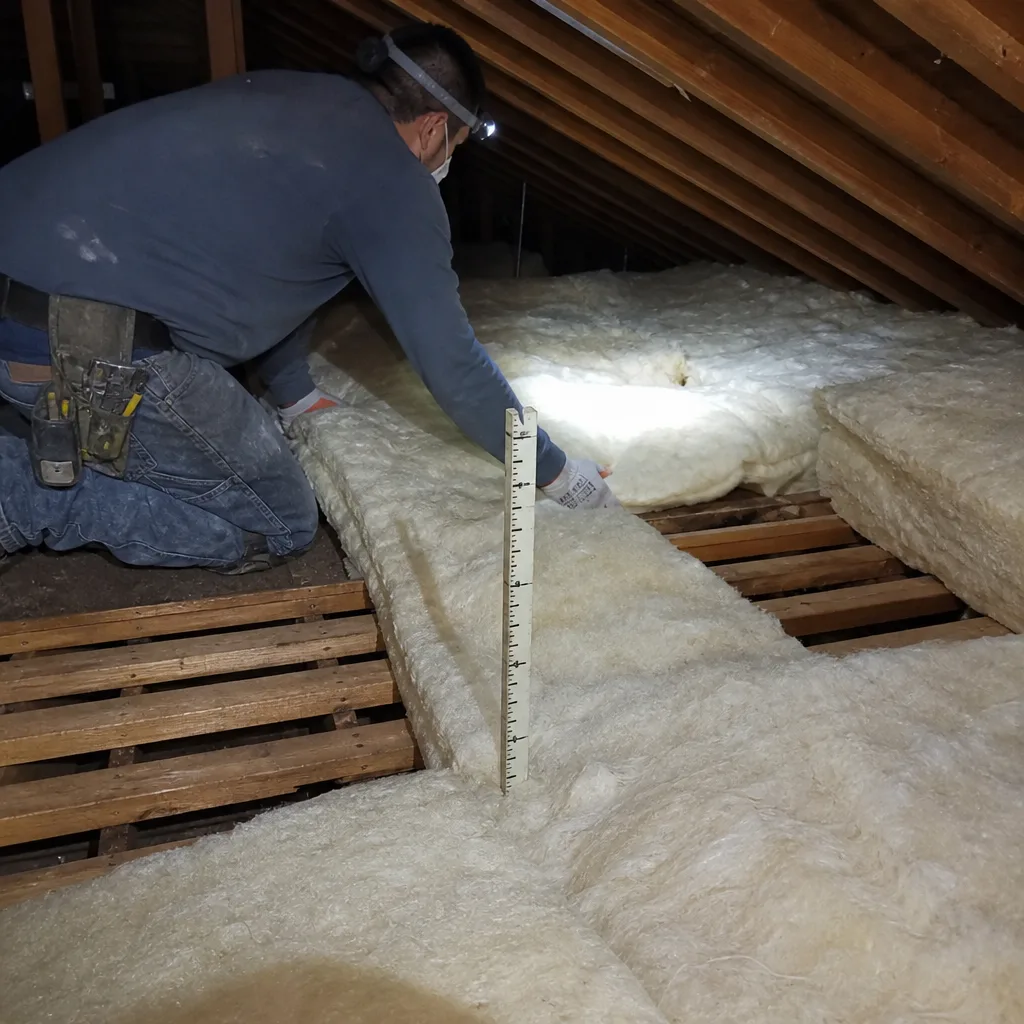
Attic insulation removal in Redondo Beach runs $800 to $1,600 for a typical 1,200-square-foot attic, and it’s the step most homeowners skip, which is exactly why we lead with it. Old fiberglass or cellulose collects dust, rodent droppings, and salt-laden moisture over decades. Before any new material goes in, the old layer should come out so the attic deck and wall-top plates can be inspected and air sealed properly. In Redondo Beach specifically, removal also exposes whether damp has migrated up from wall cavities, which happens regularly in 1950s and 1960s homes near the coast.
When Removal Is Necessary
You need removal if the existing insulation is blackened, compressed, or wet, if there’s been rodent activity, or if a previous top-up buried a moisture problem that’s now showing as mildew smell. In west Redondo Beach, we often find the attic floor looks fine while the wall cavity below is growing mold at the bottom plate. Pulling the old material is the only way to see that.
What Removal Covers
We vacuum out the old insulation, bag it, and haul it off. Then we inspect the attic deck, check baffles and vent paths, and point out any vapor-barrier failures before recommending what goes back in. The cost includes cleanup, and most Redondo Beach removals finish in one day.
Insulation Contractors in Redondo Beach
Insulation contractors in Redondo Beach are not all set up to handle this city’s specific coastal conditions. Most can blow fiberglass. Fewer know how to evaluate vapor barriers, salt-air corrosion on fasteners, and the shared-wall condensation issues common in 90278 townhomes. We do this full time, with crews trained to spot the failure patterns that show up year after year in this marine layer. For a full attic job in Redondo Beach, you’ll typically pay $1,800 to $4,200, with removal priced separately. The right contractor should be able to explain why they picked the material they’re quoting, and that explanation should reference your house, not a sales sheet.
What a Full Attic Job Includes
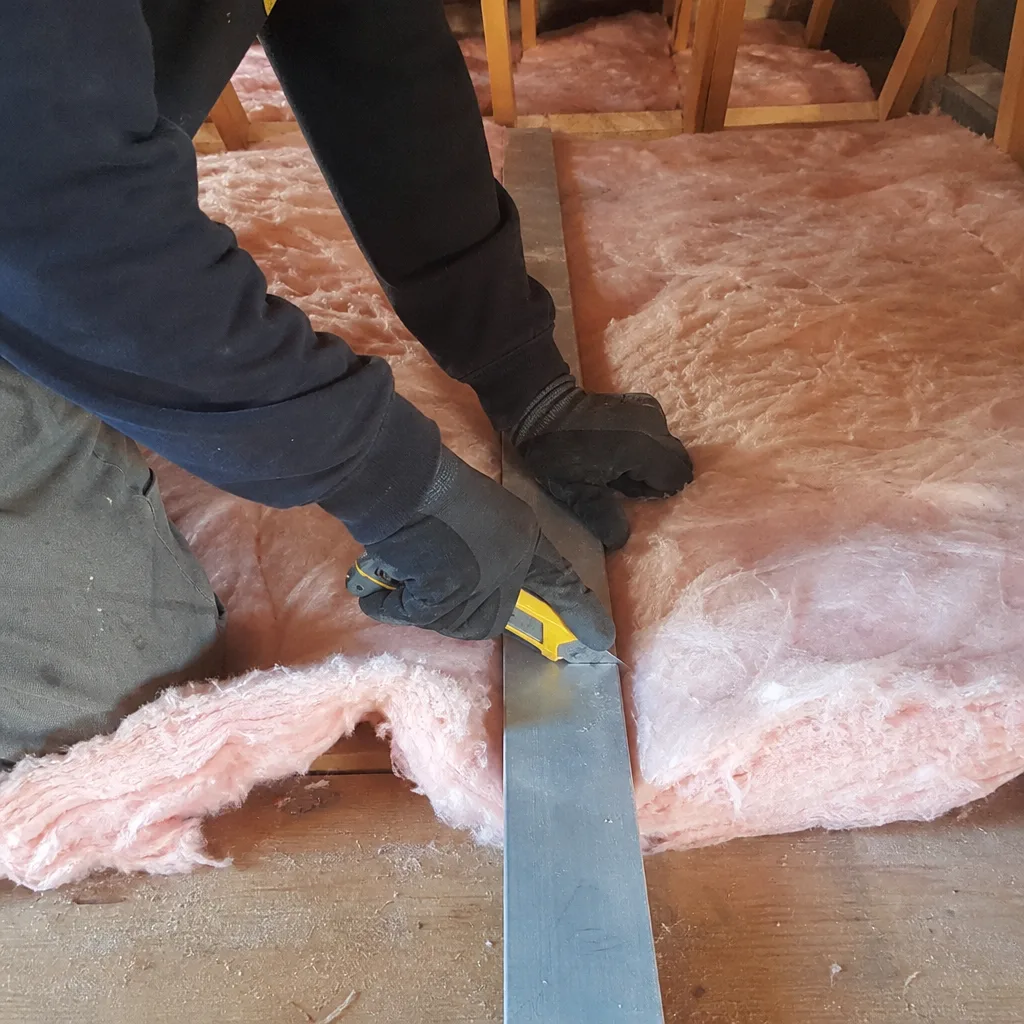
A proper attic insulation job here starts with air sealing: can lights, top plates, wire penetrations, and vent boots get sealed against wind-driven damp. Then we install or repair baffles so soffit vents stay clear, check the existing vapor barrier, and only then add new insulation to the target R-value. The material depends on what the attic and walls tell us.
Choosing the Right Method
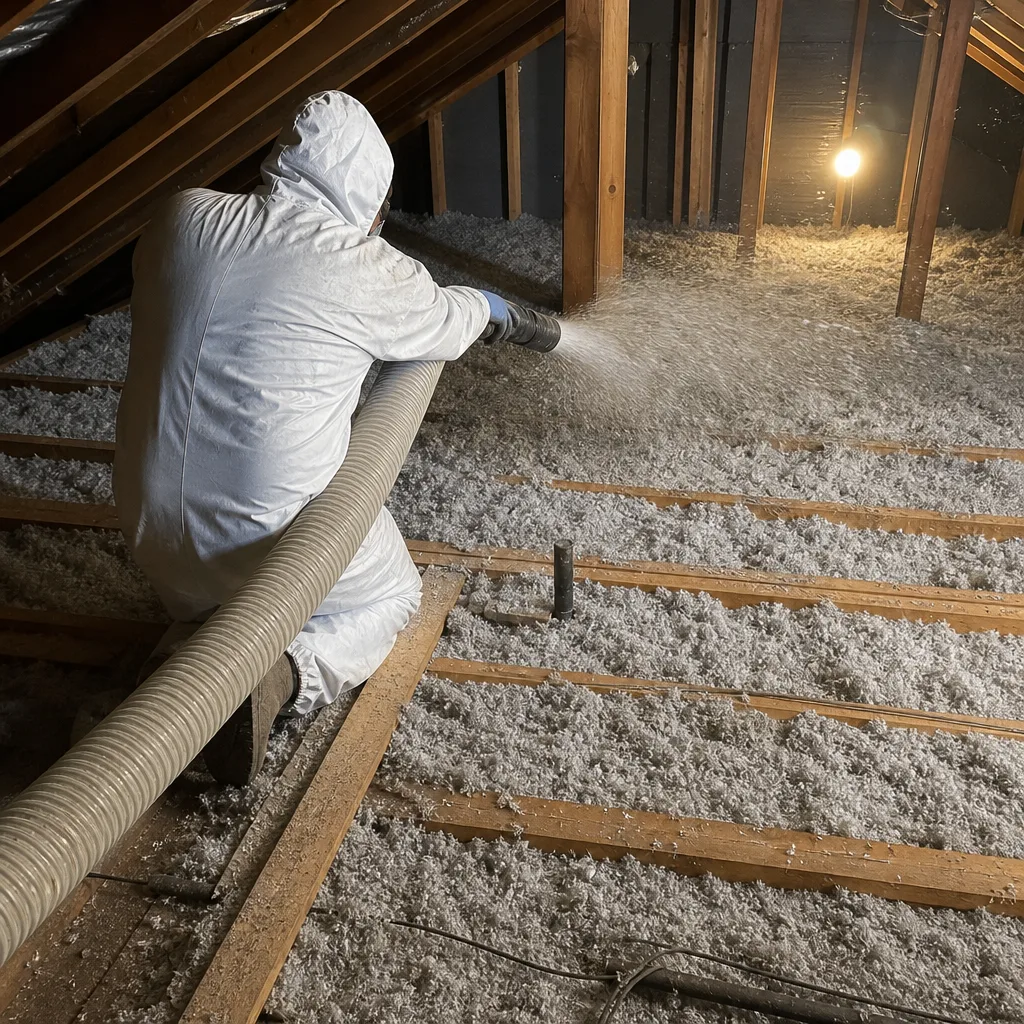
Blown-in fiberglass or cellulose works well for open attics with standard framing. Closed-cell spray foam belongs in the wall cavities and rim joists of older Redondo Beach homes where moisture control is the priority. We carry both, plus batt products, so the method follows the house.
Trusted Brands We Service in Redondo Beach
We install from an eight-brand portfolio because coastal homes here ask for different things. Owens Corning fiberglass makes sense for attics with good ventilation and normal humidity. GreenFiber cellulose offers a recycled-content option for homeowners who want a lower-embodied-energy material. Demilec closed-cell foam is what we reach for in wall cavities where the marine layer keeps stud bays cool and damp. For Redondo Beach homeowners, having access to all three under one roof means you get a recommendation based on your house’s actual conditions, not whatever single product the installer happens to stock. We keep these materials staged for fast turnaround across 90277 and 90278.
Common Attic Insulation Problems We See in Redondo Beach Homes
- Marine-layer moisture in wall cavities. In the flat streets west of PCH, fiberglass batts absorb damp air, sag, and compress against the bottom plate. The insulation stops working, and mildew follows behind the drywall.
- Salt-air corrosion at vents and penetrations. Wind-driven damp from the coast pushes through attic vents and around roof penetrations, rusting fasteners and saturating the insulation near the roof deck.
- Low-slope roof condensation in 90278 townhomes. Those 1980s and 1990s buildings trap humid air under low-slope roofs, and shared party walls limit cross-ventilation, so attic insulation without air sealing turns into a condensation sponge.
- Vapor-barrier failures before attic issues show up. A 1950s stucco bungalow near Avenue C and Catalina Avenue taught us this well: the original batts were black with mold and sagging off the bottom plate in a west-facing wall, while the attic itself had been topped up years earlier and looked fine. We removed the failed batts, sealed the cavity with closed-cell foam, and then blew in Owens Corning fiberglass to the attic deck, so the vapor problem was fixed before we added anything new on top.
Pricing for Attic Insulation in Redondo Beach, CA
We Also Serve Cities Near Redondo Beach
Our crews cover the South Bay from the beach cities to the hill communities. If you’re in Hermosa Beach, Palos Verdes Estates, Manhattan Beach, or Marina del Rey, we bring the same coastal-specific approach to Attic Insulation that we use every week in Redondo Beach. Give us a call and we’ll send someone out.
Serving Redondo Beach, CA — Our Local Coverage Area
We’re based in the Redondo Beach area and know this community well, offering Reflectix service in Redondo Beach. Use the map below to see our service coverage — if you’re nearby, we can almost certainly help.
FAQs About Attic Insulation in Redondo Beach
Why do attic insulation jobs in Redondo Beach often start with wall cavity checks?
They start with wall cavity checks because the marine layer keeps exterior wall cavities cool and humid year-round, and old fiberglass batts here regularly sag and mold at the bottom plate before the attic shows any problem. Blowing new insulation over a damp cavity just hides the issue until the next fog cycle. Call (855) 382-3451 and we’ll inspect both the attic and the cavities before quoting anything.
Does the salt air in Redondo Beach affect attic insulation performance?
Salt air accelerates corrosion on attic fasteners and vent hardware, and wind-driven salt-laden damp can saturate insulation near roof penetrations. The insulation material itself doesn’t corrode, but the assembly around it does, which is why we check vent boots, baffle fasteners, and top plates during every Redondo Beach job.
What’s the best attic insulation for a 90278 townhome with a low-slope roof?
Blown-in fiberglass works well for low-slope townhome attics in 90278, provided the space is air sealed first. Low-slope roofs trap humid air, and shared party walls limit ventilation, so the priority is sealing penetrations and installing proper baffles before any material goes in. Closed-cell spray foam may be the better choice for rim joists or tight shared-wall cavities.
Can you remove old moldy insulation before installing new material?
Yes, we remove old moldy insulation as a standard part of the job, and it’s the step that lets us see what’s actually happening at the attic deck and wall plates. Removal in Redondo Beach runs $800 to $1,600 for a typical attic, and we bag and haul everything off before any new material goes down.
How do you handle attic ventilation in Redondo Beach’s marine layer?
We keep soffit vents clear with properly sized baffles and make sure ridge or gable vents aren’t pulling salt-laden damp directly into the insulation. The goal is steady, low-velocity air movement that dries the attic without pushing coastal moisture through the assembly. Vent prep is part of every full attic job we do here.
Get Your Redondo Beach Attic Insulation Done Right
If your attic hasn’t been touched since the house was built, or if you’re noticing rooms that won’t hold temperature, a musty smell that comes with the fog, or damp spots near the ceiling, don’t wait for the next marine layer to make it worse. Call Ruben Castellano and the Thermal Insulation Co team at (855) 382-3451. We’ll walk your attic, check the wall cavities, and give you a straight answer about what’s actually going on. Estimates are free, and we’ll explain which material and method fits your house, whether it’s a 1950s bungalow west of PCH or a 1990s townhome in 90278.
Written by Ruben Castellano, Owner at Thermal Insulation Co, serving Redondo Beach and the South Bay.