
Fast, Reliable Attic Insulation Across Manhattan Beach
Attic insulation in Manhattan Beach costs between $1,450 and $3,800 for a typical bungalow attic, depending on material and method. But here’s what most homeowners don’t realize until it’s too late: the marine layer that keeps Manhattan Beach cool in August is the same force that turns standard attic fiberglass into a damp, compressed, mold-prone mess within a few seasons. We work in the 90266 and 90267 zip codes every week, and we know exactly how coastal fog behaves inside a 1950s attic on a raised foundation. If your upstairs rooms feel muggy even when the rest of the house is comfortable, your attic insulation likely needs attention, not just more of it. Call (855) 382-3451 and we’ll come out to look, no guesswork, no canned pitch.
Thermal Insulation Co is an insulation-only contractor. We’re not a general remodeler who also blows some fiberglass. Every job we take in Manhattan Beach is about one thing: getting the right material, in the right place, with a plan for moisture that actually works in this coastal microclimate. We cover Manhattan Beach from the sand section to the tree section to the hill, and we know how different blocks behave as the fog burns off at different times of day.
Why Thermal Insulation Co Is Manhattan Beach’s Preferred Attic Insulation Company
Manhattan Beach homeowners call us after other contractors have already missed the point. The most common story we hear is that someone added R-30 blown-in over old R-7 batts and the attic still smells musty, or the upstairs is still cold in June gloom, or worse, mold showed up on the ceiling. That’s because in this city, attic insulation is a moisture-management problem before it’s an energy problem. We start every job by asking what’s happening in your specific attic, not by quoting a number per square foot.
Our crew, led by Ruben Castellano, has been in attics all over the South Bay. We’ve worked on walk-street cottages, hillside rebuilds east of Sepulveda, and everything in between. Ruben’s approach is simple: diagnose the air movement and moisture path first, then choose the material from our brand lineup that fits the actual conditions. We carry Attic Insulation products from Owens Corning, Johns Manville, Knauf, and GreenFiber, plus two spray foam lines, Icynene and Demilec. That range matters because the right answer for a 1962 bungalow near the beach is often different from the right answer for a 2008 rebuild up the hill.
We respond to Manhattan Beach service calls within one business day on most weeks, and we schedule free estimates at times that work around your schedule, including early mornings before the marine layer burns off.
Attic Mold Removal in Manhattan Beach
Attic mold removal in Manhattan Beach is something we handle almost weekly, because this city’s coastal fog creates exactly the conditions mold needs to establish itself in an attic cavity. The work involves removing mold-contaminated insulation, treating the affected framing and sheathing with an antimicrobial solution, addressing the moisture source, and leaving the attic with a drying path so mold doesn’t return. If you’re seeing dark staining on attic rafters, a musty smell in upstairs rooms, or visible mold on insulation, you’re probably dealing with a condensation problem, not a leak. In Manhattan Beach’s climate, that’s the rule, not the exception.
A typical attic mold removal job in Manhattan Beach runs between $1,800 and $4,200, depending on the size of the attic and how far the contamination has spread. If the mold is isolated to the underside of the roof deck, you’re at the lower end. If it’s worked its way through the batts and into the gable-end framing, expect the higher end. We always inspect before quoting, because the price depends on how much insulation has to come out and whether the sheathing needs surface treatment or replacement.
Mold Removal With Insulation Replacement
When mold has saturated the existing batts, removing them isn’t optional. It’s the core of the fix. We pull the old material, treat the wood, and install a replacement that makes sense for your attic’s moisture profile. In the sand section especially, that usually means closed-cell spray foam, because it blocks vapor instead of letting it condense.
Coastal Mold Sources We Find Behind Drywall
In raised-foundation homes, damp air often rises from the crawlspace through wall cavities and into the attic. We’ll sometimes recommend air sealing the attic floor before adding new insulation, because no insulation product fixes a moisture source that’s still feeding the space. That’s the kind of detail that separates a lasting fix from a repeat mold problem.
Attic Insulation Removal in Manhattan Beach
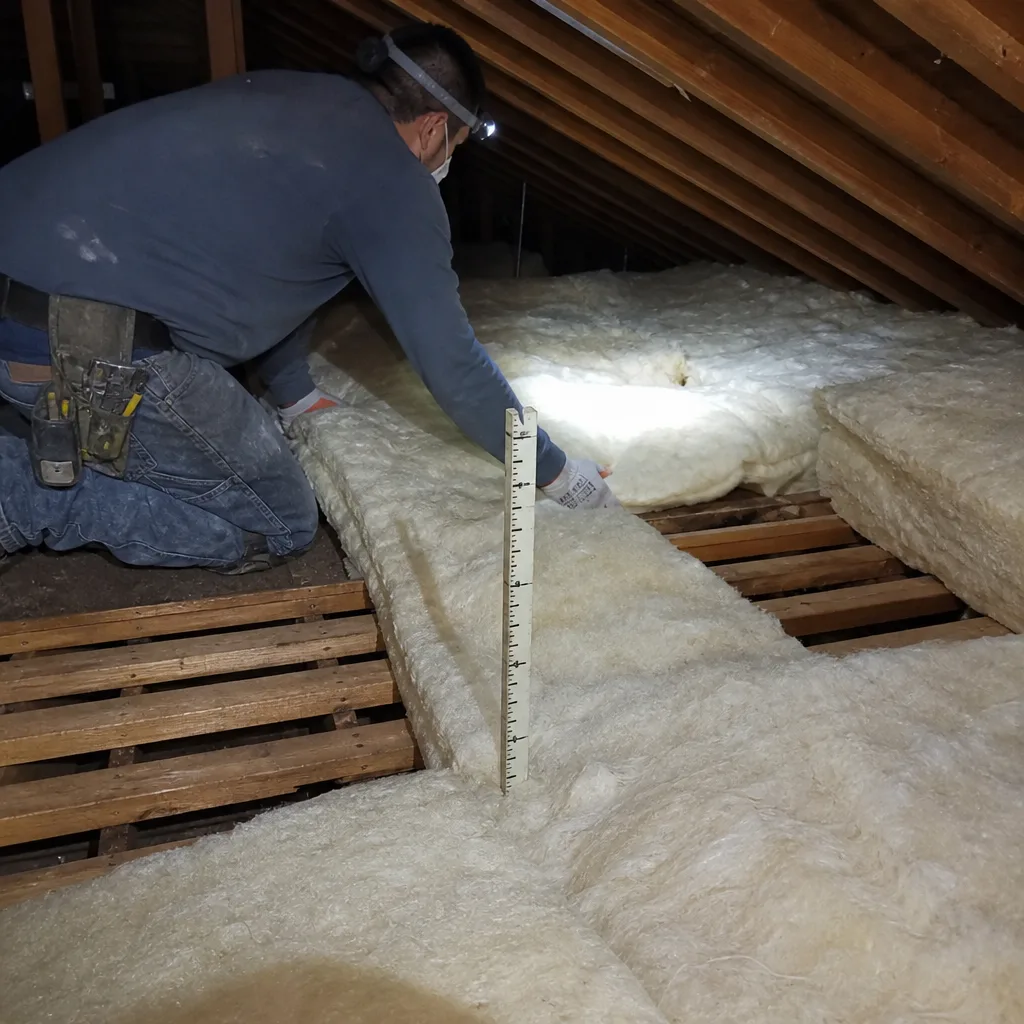
Attic insulation removal in Manhattan Beach is something we recommend more often here than in most other cities, simply because the existing material is usually decades old and compromised by salt air and fog. In the sand-section blocks west of Sepulveda, we routinely find original fiberglass batts from 1950s and 1960s bungalows compressed to R-7 or less, stained with salt-laden moisture, and no longer doing anything but holding water against the framing. Removing that material is step one. Adding new insulation on top would just bury the problem.
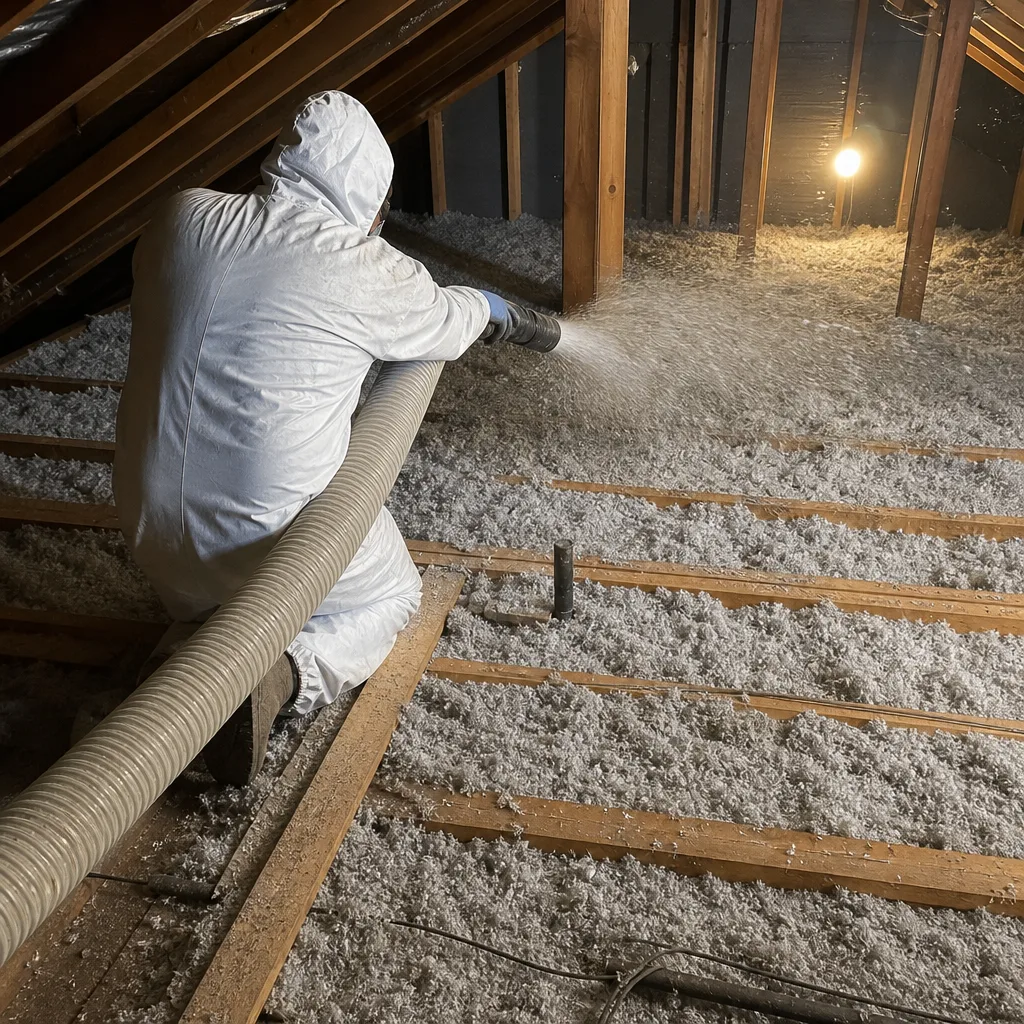
Removal pricing in Manhattan Beach typically runs $1.20 to $2.50 per square foot of attic space, so a 1,000-square-foot attic lands between $1,200 and $2,500 for the removal alone. The total goes up from there depending on what we install. If your attic has open-blown cellulose or fiberglass that’s been sitting above a leaky crawlspace for years, the removal is usually straightforward. If the material is molded, we treat it as contained removal with protective equipment and proper disposal, which adds labor but protects your family from spores during the job.
When Removal Beats Topping Up
If the existing insulation is compressed, damp, moldy, or infested, adding a layer on top does nothing for performance and can make moisture worse. In Manhattan Beach, that describes a lot of legacy attics. Our default is to remove first, then address air sealing and venting, then install.
Removing Insulation to Fix the Real Problem
Sometimes we remove insulation not because it’s failed, but because we need access to the attic floor for air sealing or to inspect the framing. That’s common in pier-and-beam homes where the crawlspace is feeding moisture into the attic. You can’t fix what you can’t see.
Trusted Brands We Service in Manhattan Beach
We install and service products from Owens Corning, Johns Manville, Knauf, CertainTeed, Rockwool, Icynene, Demilec, GreenFiber, and Reflectix repair in Manhattan Beach. In Manhattan Beach, we stock GreenFiber cellulose locally for blown-in applications and keep closed-cell foam on hand for the coastal moisture conditions we regularly encounter. We carry Johns Manville and Owens Corning batt products because some attics, particularly in newer rebuilds on the hill with proper venting, still do well with batts. But we’ll never push a product just because it’s what we have on the truck. Ruben Castellano’s rule is simple: the house tells us what it needs, and we pick from the brands we carry to match that requirement.
Common Attic Insulation Problems We See in Manhattan Beach Homes
- Salt-laden compression in sand-section bungalows. The original R-7 fiberglass batts from 1950s and 1960s homes are often compressed and moldy from years of marine-layer condensation. They’ve lost nearly all their R-value and are actively holding moisture against the roof sheathing.
- Vapor barriers installed on the wrong side. Faced batts with the kraft paper toward the exterior are common in older beach houses. In this climate, that traps moisture against the roof deck and causes sheathing rot, particularly on the north-facing slopes that never dry out.
- Crawlspace-to-attic moisture wicking. Raised-foundation homes in the 90266 zip code often have open crawl vents that pull damp air up through wall cavities into the attic. The attic becomes a condensation trap because the fog belt keeps the roof deck cool enough to hit dew point almost every night.
- Rebuilds with undersized venting. The 1990s and 2000s teardown-rebuilds on narrow lots often have complex roof geometry and not enough soffit-to-ridge airflow. We see attics that look fine from below but have moisture staining on the upper slopes where warm air from the house hits a cool deck.
Pricing for Attic Insulation in Manhattan Beach, CA
Here are real ranges for Manhattan Beach homes, based on our recent work in the area. A standard blown-in attic top-up over existing, still-dry insulation runs $850 to $1,400 for a typical 1,000-square-foot attic. Full removal and replacement with GreenFiber cellulose runs $2,200 to $3,600. Closed-cell spray foam on the roof deck, which is the right answer for many sand-section homes, runs $3,800 to $7,500 depending on roof deck area and access. Mold-contaminated removal adds $600 to $1,200 in containment and disposal costs. Prices go up if we’re working in a tight attic with limited access, which is common in older Manhattan Beach bungalows. In Manhattan Beach, the marine layer means the real cost difference is rarely the material. It’s the prep work and the moisture remediation that cheap bids skip. Call (855) 382-3451 for a free estimate, and we’ll write it out so you can compare line by line.
We Also Serve Cities Near Manhattan Beach
We work all over the South Bay. In addition to Attic Insulation in Manhattan Beach, our crews cover Redondo Beach, Rolling Hills Estates, Palos Verdes Estates, and Torrance. Each of those cities has its own microclimate issues, from Redondo’s harbor fog to the PV hilltop wind patterns, so we adjust our material choices accordingly. If you’re in one of those areas, we can usually be there the same week.
Serving Manhattan Beach, CA — Our Local Coverage Area
We’re based in the Manhattan Beach area and know this community well. Use the map below to see our service coverage — if you’re nearby, we can almost certainly help.
FAQs About Attic Insulation in Manhattan Beach
Manhattan Beach’s marine fog condenses on the underside of your roof deck almost every night of the year, dripping into whatever insulation sits below. Inland neighborhoods rarely see the same sustained humidity. That condensation compresses fiberglass, feeds mold, and destroys R-value within a few seasons.
Closed-cell spray foam along the roof deck is usually the right answer in the sand section, because it blocks vapor instead of absorbing it. On hill homes with good venting, GreenFiber cellulose or a properly faced batt can work. The key is matching the material to the specific attic’s moisture path.
Look for compressed, flattened batts, dark staining on the roof deck, a musty smell in upstairs rooms, or visible mold on the insulation itself. If the attic feels damp on a foggy morning even when it hasn’t rained, there’s moisture getting in. Call us at (855) 382-3451 and we’ll inspect it for free.
Only if the old batts are dry and uncompressed. In Manhattan Beach, that’s the minority of cases. Adding blown-in over damp batts just traps more moisture and makes the mold problem bigger. We’ll always pull the old material first if there’s any doubt about its condition.
Yes. Mold-contaminated insulation gets bagged and disposed of as contaminated material, and we use containment so spores don’t spread through your house during removal. The extra step protects your indoor air. You don’t want moldy fiberglass dust circulating through rooms you sleep in.
Get your attic fixed right. Call (855) 382-3451 for a free estimate in Manhattan Beach. Ruben Castellano and the Thermal Insulation Co team will inspect, explain what they’re seeing in plain language, and give you a written quote for the right fix for your home.
Written by Ruben Castellano, Owner at Thermal Insulation Co, serving Manhattan Beach and the South Bay.