Fast, Reliable Attic Insulation Across Long Beach
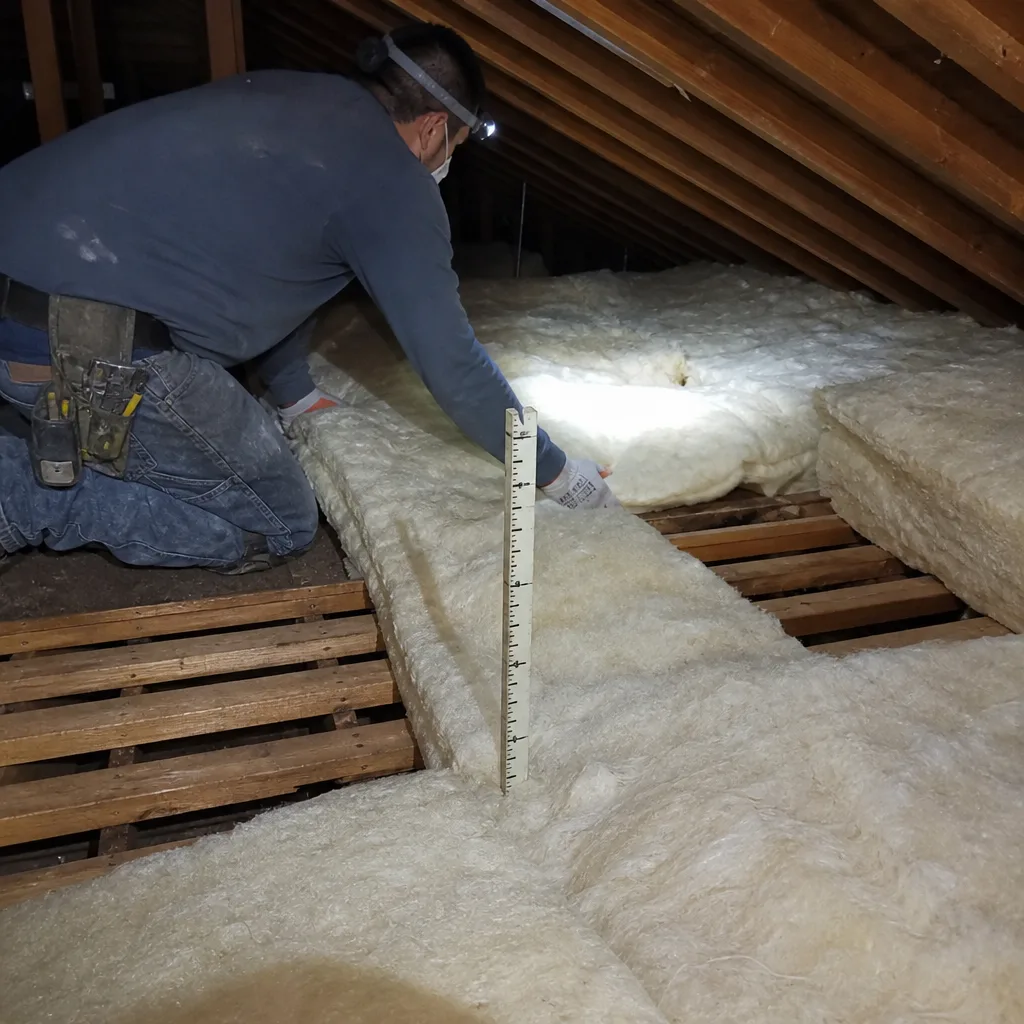
Attic insulation in Long Beach solves a different problem than it does ten miles inland. Here, the marine layer and salt air create persistent moisture that soaks fiberglass batts, feeds mold, and quietly destroys the thermal performance of older homes. If your energy bills climb every summer while your upstairs rooms stay damp and uncomfortable, the fix usually starts in the attic. Our crews know Long Beach’s housing stock block by block, from the 1920s bungalows in Belmont Shore to the 1960s tract homes east of Lakewood Boulevard. We respond to most Long Beach calls within one business day. Call (855) 382-3451 for a free attic assessment.
Why Thermal Insulation Co Is Long Beach’s Preferred Attic Insulation Company
We’re an insulation contractor. That’s the whole trade. We don’t do roofing on the side, we don’t do HVAC, and we don’t carry one brand because a distributor gave us a good price. That focused depth matters in Long Beach, where a 1940s Spanish Revival stucco home near Bluff Park needs a fundamentally different attic strategy than a 1970s ranch in the 90808 ZIP. Ruben Castellano built Thermal Insulation Co around the idea that material selection should follow the house, not the other way around. That’s why we stock eight brands and three installation methods, and why our Long Beach customers get recommendations based on their attic’s actual moisture profile, framing, and venting, not on whatever happens to be in the truck.
Long Beach homeowners consistently tell us the same thing: they’ve had contractors quote one product and one product only. That’s not how we work here. We carry Owens Corning, Johns Manville, Knauf, Rockwool, CertainTeed, Icynene, Demilec, and GreenFiber because different attics in this city fail in different ways. A damp attic in 90803 needs vapor-managed mineral wool or closed-cell foam. A dry attic in 90805 might be perfectly served by blown-in GreenFiber cellulose. We’ll tell you which one makes sense for your house and why. Our Attic Insulation team has worked in Long Beach long enough to know the difference between a ventilation problem and an insulation problem before we open the attic hatch.
Radiant Barrier in Long Beach
Radiant Barrier in Long Beach works differently than it does in the Inland Empire, and we’ll be straight with you about whether your home actually benefits from it. Radiant barrier is a reflective foil material installed on the underside of the roof deck or attic rafters. Its job is to reflect radiant heat away from the attic floor and the insulation below it. In a hot, sunny climate it can cut attic temperatures significantly. Long Beach sits in a mild coastal marine climate where heat spikes are real but short, and the bigger enemy is moisture. That means radiant barrier is only worth installing here if your attic already has proper ventilation and air sealing in place. We’ve seen too many Long Beach attics where foil was stapled over damp, unvented conditions, trapping moisture against the roof deck. That’s a recipe for sheathing rot.
For the right Long Beach home, though, a radiant barrier can reduce afternoon heat gain through the roof enough to keep upstairs bedrooms noticeably cooler during August heat waves. We typically quote radiant barrier installations in Long Beach between $1.50 and $2.50 per square foot of attic floor area, depending on access and whether we’re pairing it with new insulation or air sealing.
When Radiant Barrier Makes Sense
A home in the 90815 ZIP with a south-facing roof, a dark composition shingle roof, and usable attic space above a second story tends to benefit most. If your attic is already insulated to code and vented correctly, radiant barrier can be the next step for comfort. If your attic is damp or under-insulated, we’ll say so and recommend fixing those conditions first.
Radiant Barrier With Attic Insulation
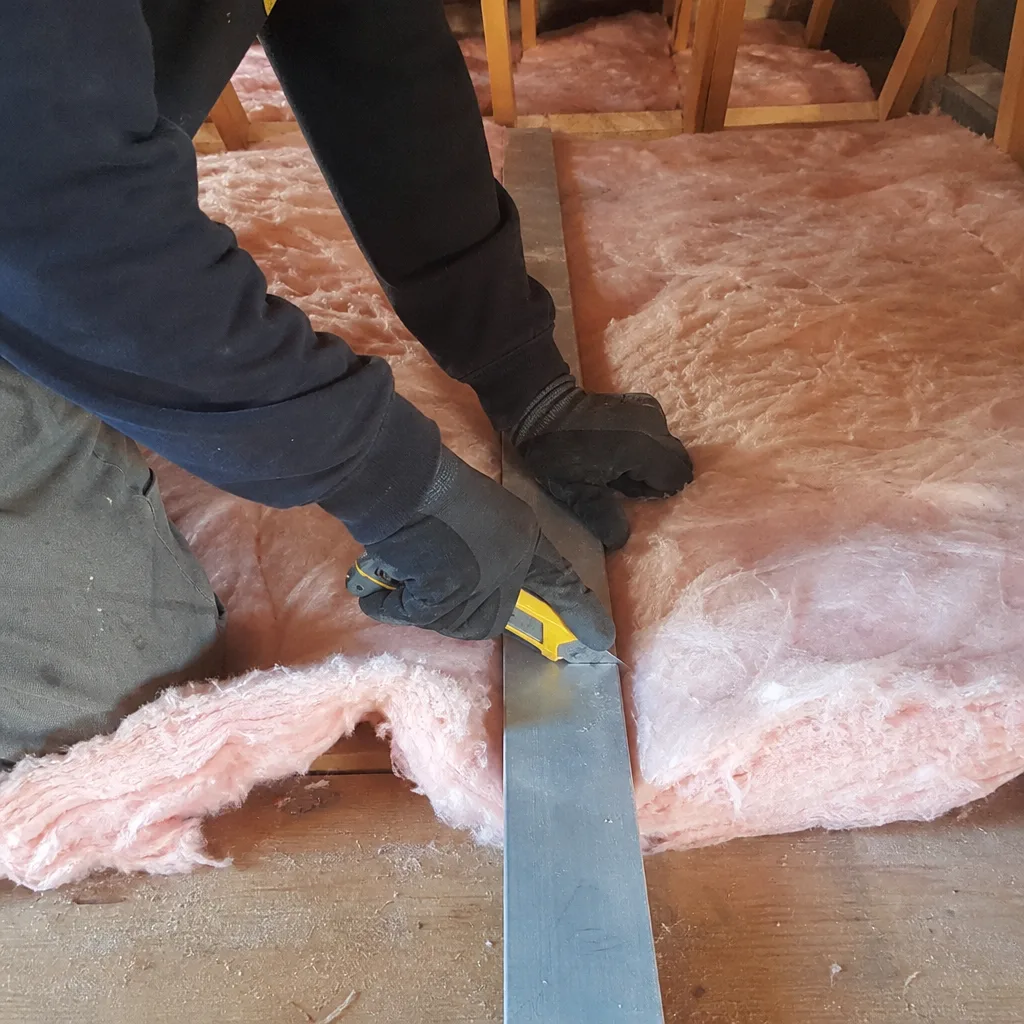
Most Long Beach homes that need radiant barrier also need insulation work. We often pair a radiant barrier installation with a blown-in cellulose top-up or batt replacement, which lowers the total project cost versus doing them separately. The combined project typically runs $2,800 to $5,500 in Long Beach depending on square footage and access.
Attic Cleaning Services in Long Beach
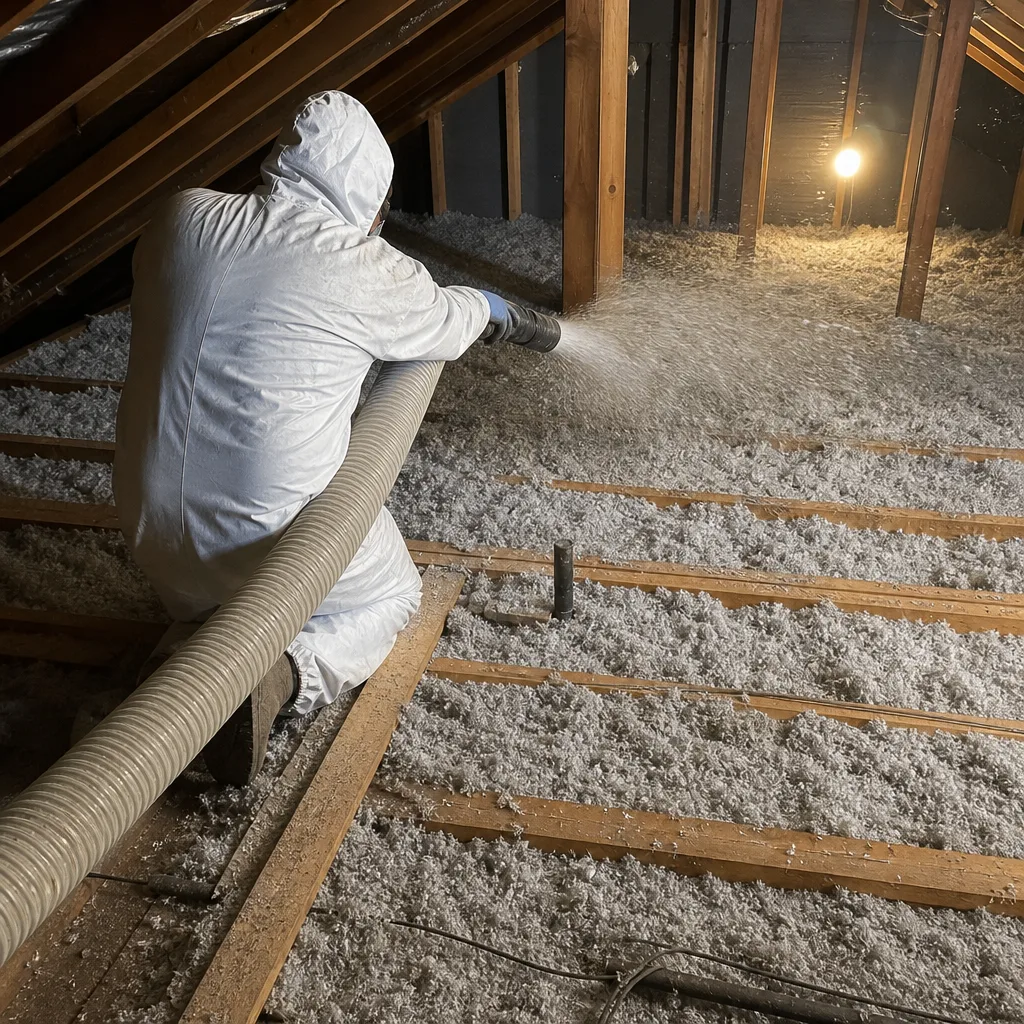
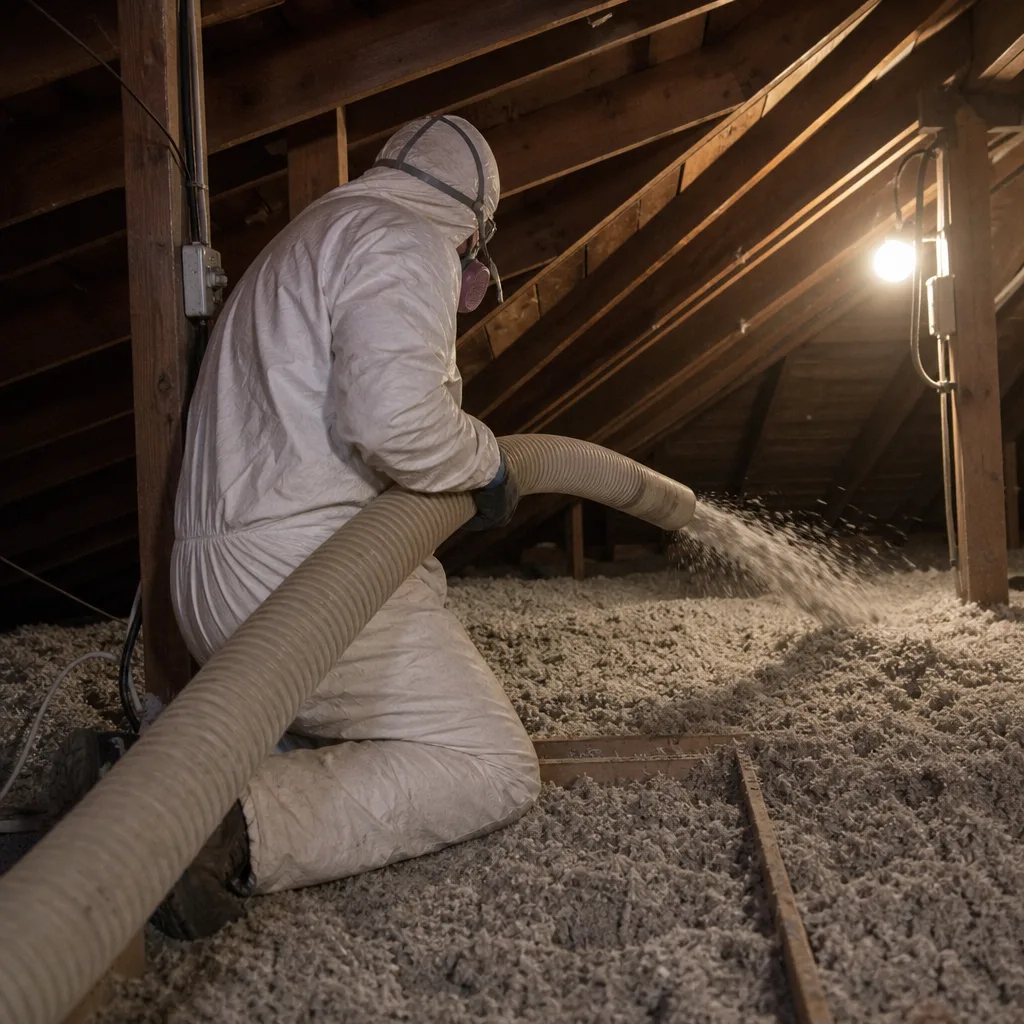
Attic Cleaning Services in Long Beach are often the first step before any new insulation goes in, especially in coastal neighborhoods. We work in homes in 90813 and 90814 where decades of marine-layer humidity have left insulation matted, dusty, or actively colonized by mold. Cleaning an attic means removing old insulation, rodent droppings, construction debris, and whatever else has accumulated since the house was built, then sanitizing the deck and framing before new material goes down. If you’ve noticed a musty smell upstairs or seen dark staining on your ceiling, the attic is the first place we look.
In Long Beach, the cost for a full attic cleaning and old insulation removal typically runs $1,800 to $4,000 depending on the attic’s size, the condition of the material, and whether mold remediation is needed. That’s before new insulation, which we quote separately so you can see exactly where your money goes.
What Attic Cleaning Covers
Our crew removes the old material by hand or with a commercial vacuum system, inspects the decking and framing, and treats any microbial growth. We check for pests, gaps around plumbing and electrical penetrations, and any venting problems that caused the moisture buildup in the first place. A clean attic is the only surface where new insulation performs as rated.
Cleanup Before a Retrofit
If you’re planning an insulation retrofit in a 1920s or 1930s Long Beach bungalow, cleaning comes first. Older attics in this city often contain original rock wool or deteriorated batt insulation that can’t simply be topped off. Removing it exposes wiring, framing, and air leaks that would otherwise be buried under new material.
What happens when you call
- 1
A real person answersNo phone trees — you reach a local pro.
- 2
You get an upfront price rangeHonest numbers before anyone is dispatched.
- 3
A background-checked tech heads outLicensed & insured, dispatched right away.
- 4
You approve before work beginsNothing starts until you say go.
Trusted Brands We Service in Long Beach
We install and service products from eight manufacturers, and we stock what Long Beach homes actually need. For damp coastal attics, we carry Owens Corning fiberglass and Rockwool mineral wool, which resist moisture better than standard batts. For dry attics in the city’s northern and eastern neighborhoods, GreenFiber recycled cellulose offers dense coverage and solid air-sealing performance at a lower material cost. For homes with challenging framing or rim joist leakage, we use Icynene and Demilec spray foam in open-cell and closed-cell formulations. Because we stock competing brands across categories, our recommendations aren’t driven by inventory surplus. We carry Johns Manville and Knauf as well, which gives Long Beach homeowners real options without switching contractors.
Common Attic Insulation Problems We See in Long Beach Homes
- Marine-layer condensation soaking fiberglass batts. In coastal ZIPs like 90803 and 90814, persistent damp air condenses inside under-vented attics, saturating batts and compressing them against the roof deck. The original builders vented for summer heat, not year-round coastal humidity, and the insulation loses most of its R-value once it’s wet.
- Knob-and-tube wiring buried by past retrofits. In 1920s to 1950s bungalows across 90813 and Belmont Shore, we regularly find old wiring buried under blown-in insulation from a previous job. That’s a fire risk and a code violation. We air-seal around legacy wiring before any new material goes down.
- Uninsulated stucco walls pushing heat and moisture into the attic. Many Spanish Revival homes in Bluff Park and Belmont Shore have original stucco with no wall insulation. The attic becomes the thermal weak point, and attic insulation alone won’t fix comfort problems unless air sealing addresses the wall-to-attic connection.
- Blocked or incorrectly installed soffit vents. In 1960s and 1970s tract homes in 90808 and 90815, original soffit vents are often painted over, covered by new fascia, or simply inadequate for the attic volume. Poor ventilation in Long Beach means moisture, not just heat, and it accelerates insulation failure.
Pricing for Attic Insulation in Long Beach, CA
Long Beach attic insulation projects run a wide range because the housing stock is so varied. A simple blown-in top-up over existing dry insulation in a 1,000-square-foot attic typically costs $1,200 to $2,400. Full removal, air sealing, and new batt or blown-in insulation in an older coastal home runs $3,500 to $7,500. Spray foam in a Long Beach attic, either open-cell or closed-cell, typically runs $4,000 to $9,000 depending on the roof deck area and the foam type. Radiant barrier adds $1.50 to $2.50 per square foot. What drives cost here: attic access, moisture remediation needs, whether knob-and-tube wiring requires an electrician’s sign-off, and how much air sealing the old framing demands. We provide written, line-item quotes before any work starts. Call (855) 382-3451 for a free estimate in Long Beach.
We Also Serve Cities Near Long Beach
Our crews work throughout the Long Beach area, including Signal Hill, Lakewood, Carson, and West Carson. If you’re in one of those cities and need Attic Insulation in Long Beach or local work near the county line, we cover it. Call us and we’ll confirm the next available slot.
Serving Long Beach, CA — Our Local Coverage Area
We’re based in the Long Beach area and know this community well. Use the map below to see our service coverage — if you’re nearby, we can almost certainly help.
FAQs About Attic Insulation in Long Beach
The marine layer in coastal Long Beach holds cool, damp air against homes for hours each morning, and older Belmont Shore attics were vented for hot, dry summers, not persistent coastal humidity. Without a vapor retarder and proper soffit-to-ridge airflow, that moisture condenses inside the attic and soaks fiberglass batts. The same insulation stays dry in 90805 because the air is warmer and drier inland. We correct this with vapor-managed materials like Rockwool or closed-cell foam, plus venting fixes. Call (855) 382-3451 if your coastal attic shows dampness or staining.
No, you should not bury knob-and-tube wiring under new insulation. In Long Beach bungalows built before about 1950, we inspect the attic wiring first. If knob-and-tube is present and live, it needs to be evaluated by a licensed electrician before insulation goes in. We coordinate that step and air-seal around the legacy wiring as part of the insulation project. For an exact scope and cost in the 90813 or 90814 area, call (855) 382-3451.
Musty smells or visible mold mean the insulation is holding moisture and needs removal, not just a top-up. In Long Beach, we see this most often in 90803, 90814, and other coastal ZIPs where marine-layer condensation has saturated batts over years. The safe path is full removal, sanitizing, and replacement with a mold-resistant material sized for coastal conditions. We can inspect it the same day in most Long Beach neighborhoods. Call (855) 382-3451 to schedule.
Sometimes, but only if the attic is already dry and properly vented. Radiant barrier reflects heat, not moisture, and Long Beach’s primary attic problem is moisture. For a two-story home in 90815 with a south-facing roof and hot upstairs rooms, it can help noticeably. For a damp coastal attic, it can trap moisture and cause damage. We’ll tell you honestly which category your home falls into. Estimates are free.
The deciding factors are moisture damage, wiring condition, and insulation depth. In Long Beach, if existing insulation is wet, compressed, or mold-stained, it can’t be saved and a full retrofit is the right call. If it’s dry but below current code depth, a top-up may be enough. In older homes, the presence of knob-and-tube wiring or air leaks around framing also pushes toward a full retrofit. We assess all of it before recommending anything. Call (855) 382-3451 for a free attic evaluation in Long Beach.
Written by Ruben Castellano, Owner at Thermal Insulation Co, serving Long Beach and surrounding cities.