
Fast, Reliable Attic Insulation Across Good Hope
Attic insulation in Good Hope usually means removing old, sun-baked material before anything new goes in. Most homes in the 92572 ZIP code predate modern attic insulation standards, so the batts up there are often thin, brittle, and settled well below the joists. Our crews know this housing stock. We work in Good Hope regularly, and we can assess your attic, tell you what’s actually up there, and recommend removal or top-up without wasting your time. Call (855) 382-3451 for a free estimate. Ruben Castellano leads our team, and he’ll make sure the recommendation fits the house, not the other way around.
Why Thermal Insulation Co Is Good Hope’s Preferred Attic Insulation Company
We’re a dedicated insulation contractor. Attic work isn’t a side line for us, it’s the whole trade. That matters in Good Hope because the older homes here present specific retrofit challenges: settled batts, uninsulated wall cavities, and attics that cook under inland summer sun. A general contractor might quote a quick top-up. We’re more likely to tell you the existing material needs to come out first, and we’ll explain why with a straight answer.
Homeowners in Good Hope call us because we’re authorized to install products from eight manufacturers – Owens Corning, Johns Manville, Knauf, Rockwool, CertainTeed, Icynene, Demilec, and GreenFiber. That breadth means we don’t have to force one brand onto your attic. If your home needs recycled-content cellulose, we have GreenFiber ready. If fire resistance matters, Rockwool mineral wool is in our inventory. The recommendation follows the conditions in your attic, not our stockroom.
We’re also structured for retrofit work. Three installation methods – attic batts, blown-in loose-fill, and spray foam – sit under one roof. For most Good Hope homes, blown-in is the right call. But we’ll tell you if open-cell spray foam makes more sense for an uninsulated wall cavity or a vaulted ceiling. That’s what a specialist can do that a one-brand outfit can’t.
Attic Mold Removal in Good Hope
Attic mold removal in Good Hope is often necessary in older homes where years of intense summer heat and occasional winter moisture have created condensation on the underside of the roof deck. The dry climate here masks the problem: homeowners don’t see visible water damage, but mold colonies still form in that hot, enclosed space. We remove contaminated insulation, treat affected framing, and address the ventilation issues that let moisture build up in the first place. A typical attic mold removal job in Good Hope runs $1,400 – $3,200 depending on the size of the affected area and whether the existing insulation needs full replacement afterward. That cost includes containment, removal, treatment, and disposal.
When Mold Means More Than Insulation
Mold in a Good Hope attic is rarely just a cosmetic issue. If the insulation itself is stained or has a musty smell, you need it out. Blowing new insulation over moldy batts seals the problem in, and the mold continues to grow in the dark, hot attic space. We inspect before we quote, and if we find mold, we’ll tell you exactly what has to happen and why.
Ventilation as Part of the Fix
Mold returns if the attic can’t breathe. We check for blocked soffit vents, missing baffles, and inadequate ridge or gable venting. In Good Hope’s older ranch homes, original venting is often minimal. Adding baffles and improving airflow before new insulation goes in prevents the same moisture problem from coming back.
Attic Insulation Removal in Good Hope
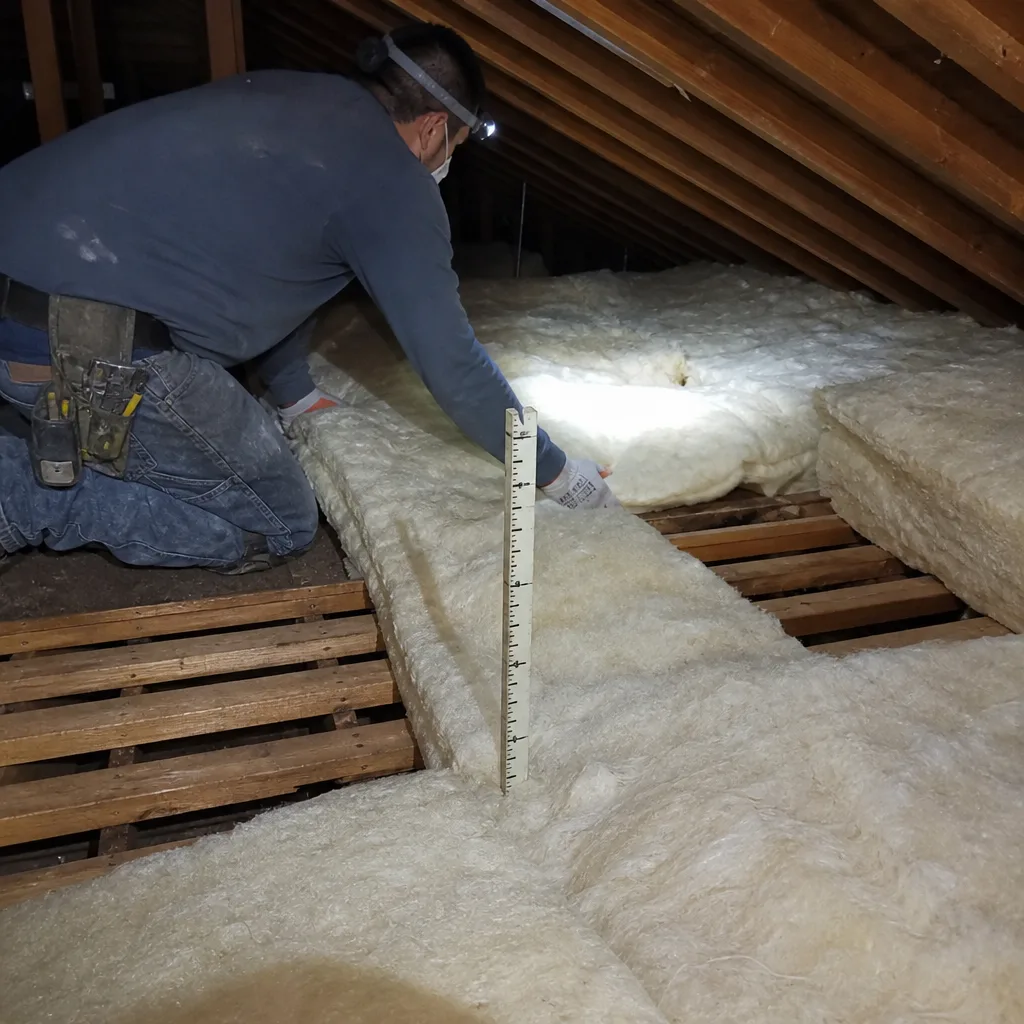
Attic insulation removal in Good Hope is the norm, not the exception. Original batts in these older homes are frequently sun-baked and brittle, crumbling when touched and leaving ceiling joists partly bare. You can’t build a proper thermal barrier on top of that. Removal lets us start clean, inspect the ceiling plane, and blow in fresh material to a full, even depth. In Good Hope, attic insulation removal typically runs $1.00 – $2.00 per square foot depending on access, material type, and whether animal droppings or mold are present. For a standard 1,200-square-foot attic, that’s roughly $1,200 – $2,400.
Why Not Just Top It Off?
Adding new insulation over degraded, settled material doesn’t restore the R-value you’ve lost. The old layer stays compressed, gaps stay gaps, and the new material can’t perform to spec. In Good Hope’s heat, that means your attic still radiates warmth into the living space even after a top-off. Removal first is the honest approach, and it’s why we recommend it for most 92572 homes.
Containment and Cleanup
Removal is messy work, but it doesn’t have to disrupt your home. We use negative-pressure containment and HEPA filtration to keep dust and old fibers out of your living areas. The old material gets bagged and hauled off, and your ceiling stays clean. Attic baffles and vent prep happen before the new insulation goes in, so the whole system works as one.
Trusted Brands We Service in Good Hope
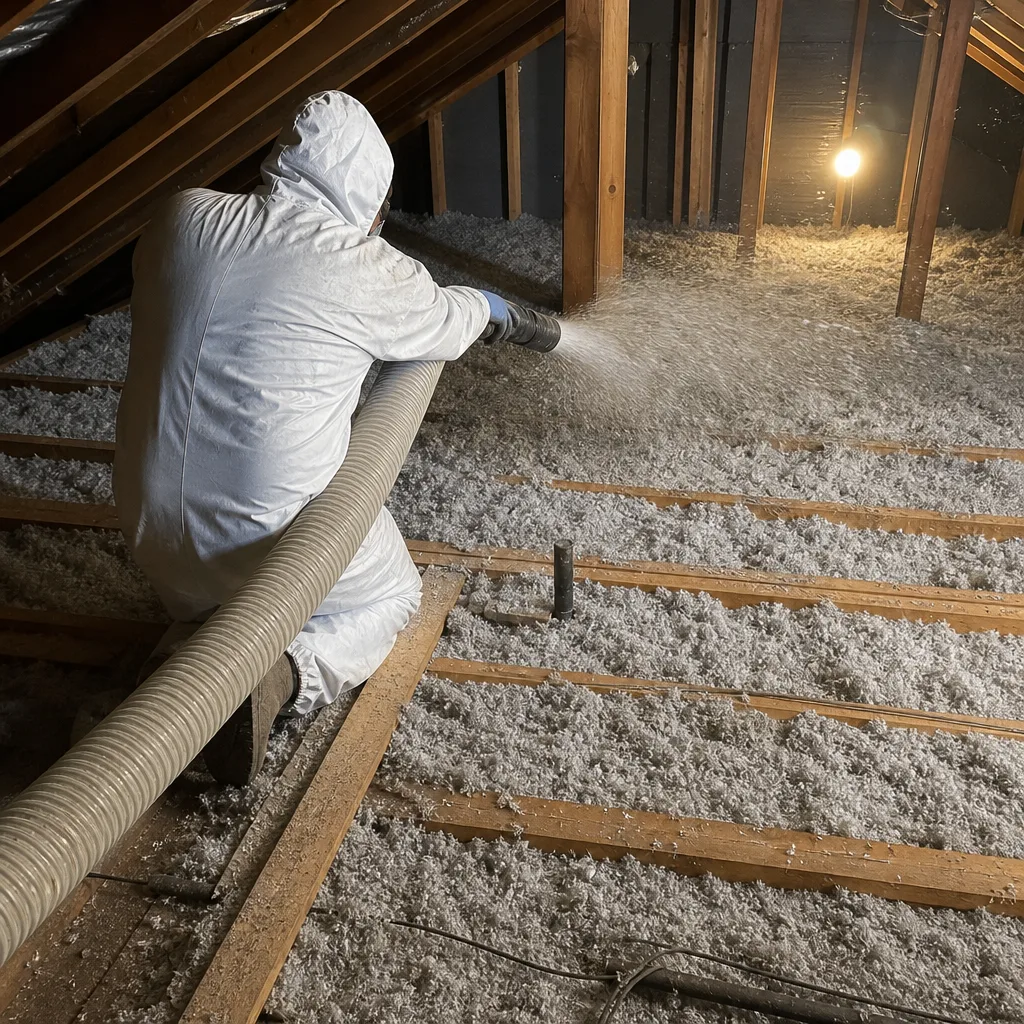
We carry Demilec and Icynene spray foam for Good Hope homes where air sealing is part of the insulation plan. For blown-in work, we use GreenFiber cellulose because it fills old attic cavities evenly and has a high recycled content. Owens Corning and Johns Manville fiberglass batts and blown-in fiberglass are also available when that’s the right material for the job. We stock enough material to handle most Good Hope jobs without long waits, and we can source anything unusual within a day or two. Having eight brand lines means we don’t stretch one product to fit a house it wasn’t built for.
Common Attic Insulation Problems We See in Good Hope Homes
- Sun-baked, brittle batts: Original mineral-wool or fiberglass batts in Good Hope attics have been cooked by decades of intense inland heat. They crumble on contact and no longer cover the ceiling joists, leaving big thermal gaps.
- Settled, compressed insulation: Even where old insulation hasn’t degraded, it’s usually settled well below the joist tops. That compression kills R-value, and the attic turns into an oven during summer afternoons.
- Uninsulated wall cavities: Many older single-family and manufactured homes in Good Hope were built with empty wall cavities. Attic-only insulation leaves those walls as weak points where heat pours into the house all afternoon.
- Blocked or missing baffles: Original attic venting in this housing stock tends to be minimal. We regularly find soffit vents buried under old insulation or missing entirely, which traps hot air and promotes condensation problems.
Pricing for Attic Insulation in Good Hope, CA
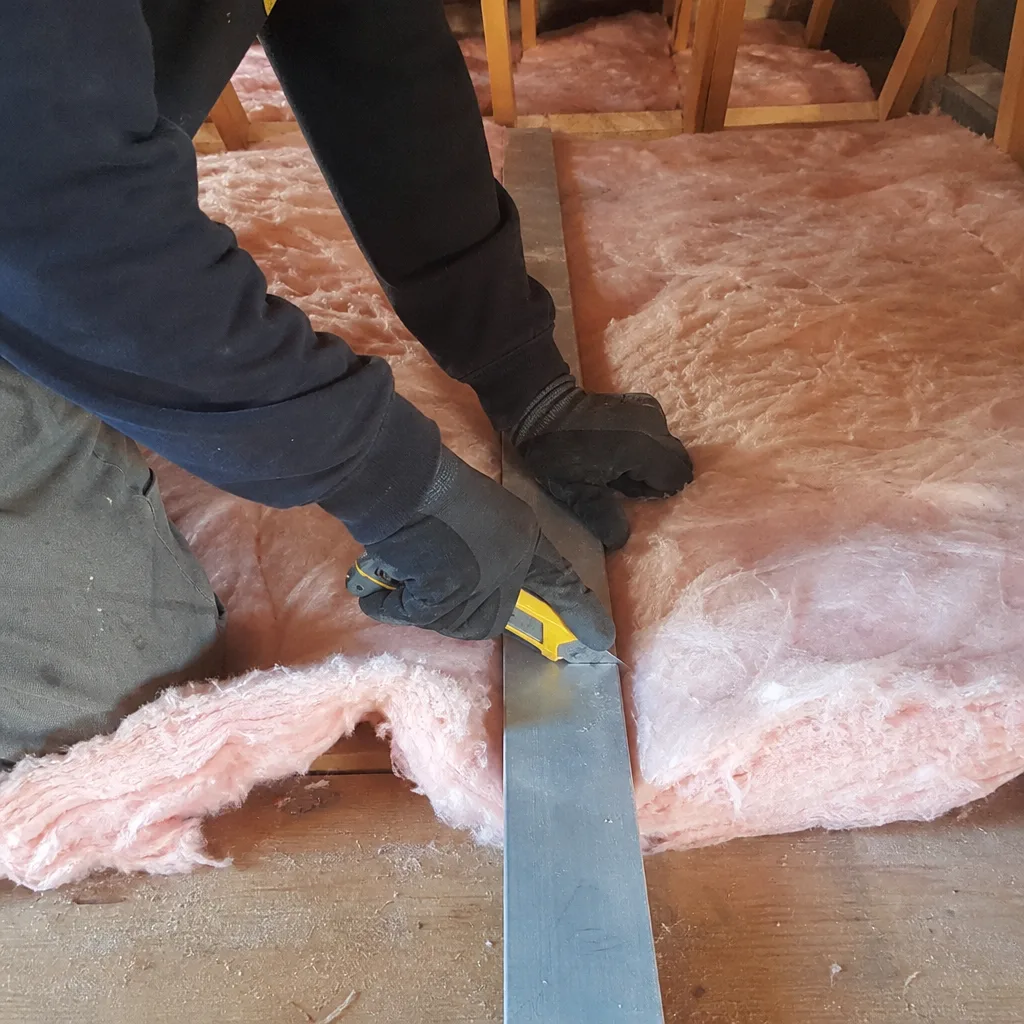
Good Hope attic insulation prices track with the region but lean toward removal-and-reblow work. Blown-in fiberglass or cellulose for a typical 1,200-square-foot attic runs $1,800 – $2,600 after old material removal. Attic batt installation runs $1,200 – $2,000 when the attic is accessible and clean. Spray foam is more: open-cell runs $1.80 – $2.80 per board foot, and closed-cell runs $2.50 – $3.80 per board foot. The biggest cost variable in Good Hope is what’s already up there. If the old material needs to come out, that adds to the job. We give free estimates, and Ruben walks every attic himself before finalizing a quote. Call (855) 382-3451 to schedule a look.
We Also Serve Cities Near Good Hope
Our crews cover the wider Inland Empire around Attic Insulation in Good Hope, including Perris, Romoland, Sun City, and Mead Valley. If you’re in a neighboring community and dealing with the same settled-batt problems, we’ll bring the same removal-first approach and eight-brand material selection. Call us and we’ll get out to your attic quickly.
Serving Good Hope, CA — Our Local Coverage Area
We’re based in the Good Hope area and know this community well. Use the map below to see our service coverage — if you’re nearby, we can almost certainly help.
FAQs About Attic Insulation in Good Hope
Most attics in Good Hope’s 92572 ZIP code hold original batts that have been sun-baked into brittle, settled mats. Topping them off doesn’t restore lost R-value and leaves gaps in the thermal barrier. Removal first is the only honest way to get a clean, even insulation layer. Call (855) 382-3451 and we’ll inspect your attic and tell you what’s really up there.
Yes. Summer attic temperatures in Good Hope regularly exceed 140°F, and that sustained heat bakes the oils out of older fiberglass and mineral-wool batts, leaving them crumbly and ineffective. Thin attic insulation means heat radiates down into your living space all afternoon. The fix is removal and a fresh blow to proper depth.
We use GreenFiber recycled cellulose for most Good Hope blow jobs because it settles evenly into old irregular cavities and packs a high R-value per inch. Blown-in fiberglass from Owens Corning or Johns Manville is also available. We’ll recommend what fits your attic and your budget. Estimates are free, call (855) 382-3451.
In many cases, yes. We use open-cell spray foam from Demilec or Icynene to fill empty wall cavities in older Good Hope homes, which addresses what attic-only work can’t. We’ll evaluate your wall construction and tell you whether drilling and filling is practical for your house.
You need mold removal when insulation or roof decking shows visible mold staining, when there’s a persistent musty smell from the attic, or when past moisture events have created condensation on the underside of the roof. Blowing new insulation over mold doesn’t fix it. We remove the contaminated material, treat the affected framing, and fix the ventilation that caused the moisture. Call (855) 382-3451 for a free attic inspection in Good Hope.
On a ranch-style home off the older residential lanes of Good Hope, our crew opened the attic hatch to find original mineral-wool batts baked brittle by years of inland summer heat, crumbled into a thin mat that no longer covered the ceiling joists. We pulled the degraded material out under containment, then blew in GreenFiber loose-fill to a full, even depth over the existing joists. The homeowner noticed the difference the first hot week, with the attic no longer radiating heat down into the living space.
Good Hope’s ZIP 92572 is a small, largely built-out pocket where most homes predate modern Title 24 attic insulation standards, so the typical attic here holds settled, sun-baked batts rather than anything worth topping off. That makes removal-and-re-blow the norm here. The dry heat means crews often find degraded material that crumbles on contact, and the older single-family and manufactured homes frequently have wall cavities that were never insulated at all. Our Attic Insulation team works with what’s actually in these attics, not what a brochure says should be there. When you call, Ruben or a senior crew lead will come out, climb into the attic, and show you what we’re seeing before we quote anything.
Written by Ruben Castellano, Owner at Thermal Insulation Co, serving Good Hope and the Inland Empire with attic insulation, spray foam, and blown-in services.