
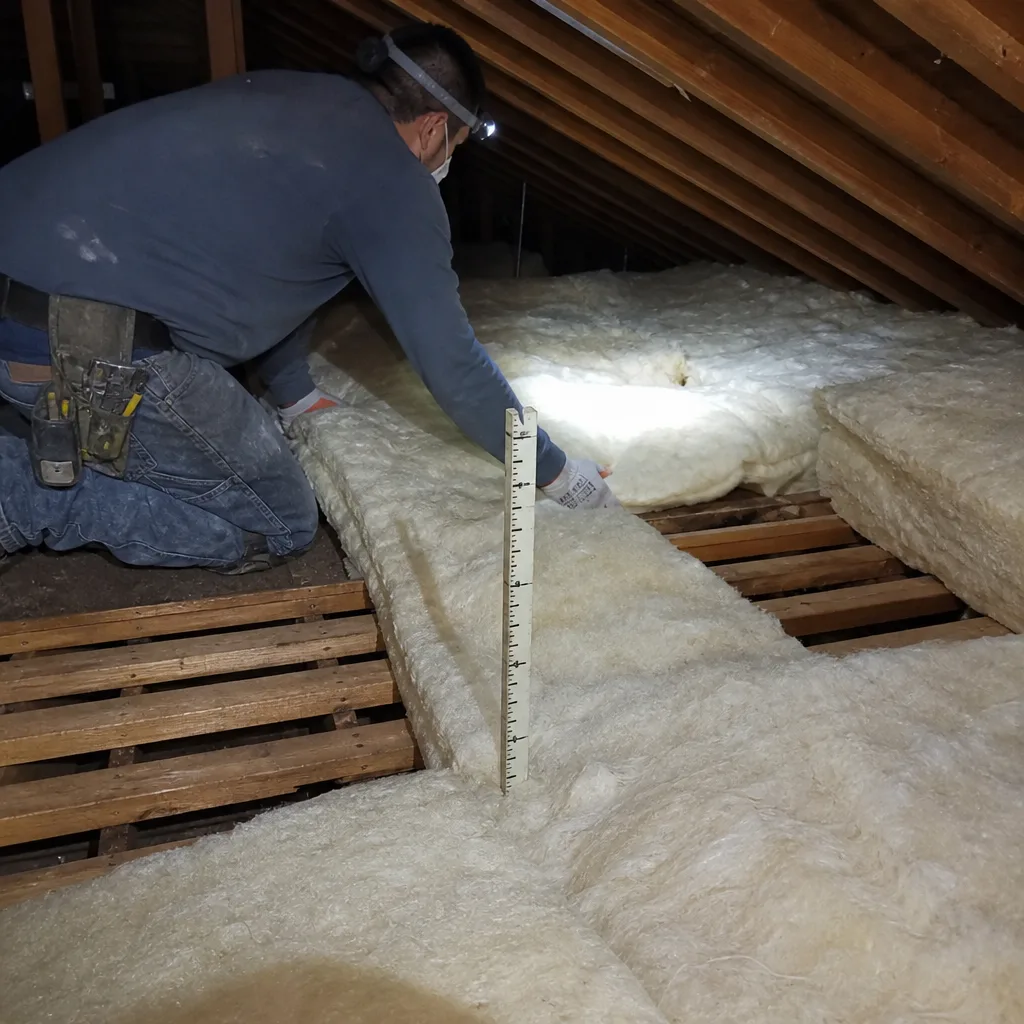
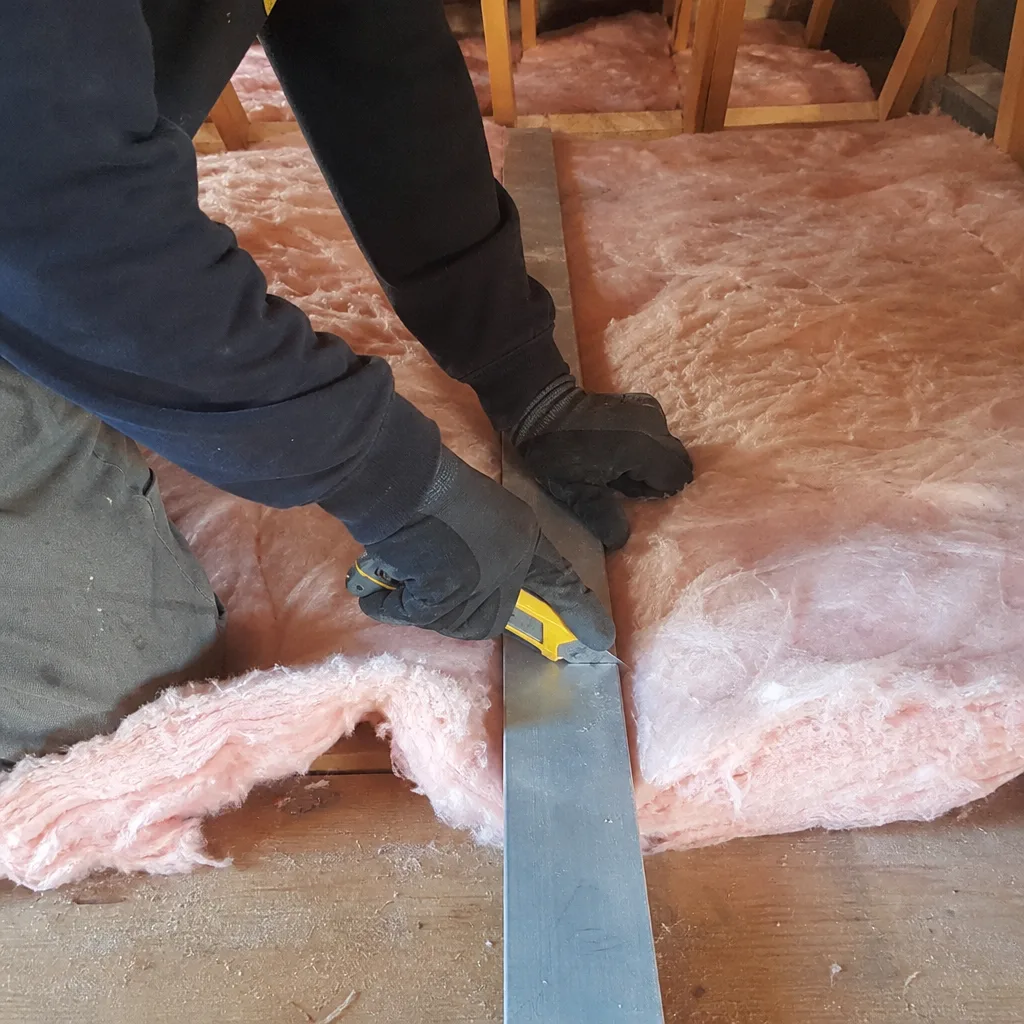
Fast, Reliable Attic Insulation Across Bellflower
Most Bellflower homes lose more conditioned air through the attic than anywhere else, and the fix usually starts before a single batt goes in. Thermal Insulation Co serves the 90706 and 90707 ZIP codes with attic insulation retrofits matched to the house, not a stock answer. We cover Bellflower from Paramount to Cerritos with same-week scheduling and crews who know these 1940s – 60s tract homes well. Call (855) 382-3451 and we’ll walk you through what your attic actually needs.
Why Thermal Insulation Co Is Bellflower’s Preferred Attic Insulation Company
Insulation is all we do. That matters in Bellflower because this city’s building stock isn’t uniform: a stucco bungalow off Artesia Boulevard needs a different approach than a 1960s ranch-style tract home near Flora Vista Elementary. Whether you need Reflectix repair in Bellflower or a full insulation retrofit, the attic dictates the method. Ruben Castellano built Thermal Insulation Co around the idea that the attic dictates the method. We’re authorized to install products from eight manufacturers, including Owens Corning, Johns Manville, Knauf, Rockwool, CertainTeed, Icynene, Demilec, and GreenFiber. That brand range means our recommendation comes from your home’s performance targets, not from whatever we happen to carry that month.
Bellflower homeowners call us because we explain what’s happening in the attic before we quote a number. We’re a dedicated Attic Insulation contractor, not a general contractor who adds insulation as a line item. Our crews work in Bellflower regularly, so we know the permit office, the typical access constraints in these older homes, and the fact that flat-roof additions and low-pitched hip roofs across 90706 don’t respond well to a standard blow-in approach.
Attic Cleaning Services in Bellflower
Attic Cleaning Services in Bellflower usually mean more than vacuuming dust; they mean removing decades of debris, rodent droppings, and settled particulate that compromises both air quality and insulation performance. In the older bungalows around Bellflower Boulevard, we find attics that haven’t been touched since the home was built. A typical attic cleaning in Bellflower runs $300 – $700, and it should happen before any new insulation goes in. Cleaning first means the new material sits on a clean deck and performs to its rated R-value. If it’s skipped, you’re installing over a problem.
Debris and Rodent Dropping Removal
Bellflower homes built before 1970 often have rodent history in the attic. We remove contaminated material, sanitize the deck, and prep the space for new insulation. This isn’t a quick sweep; it’s the difference between a clean install and a health concern you carry for years.
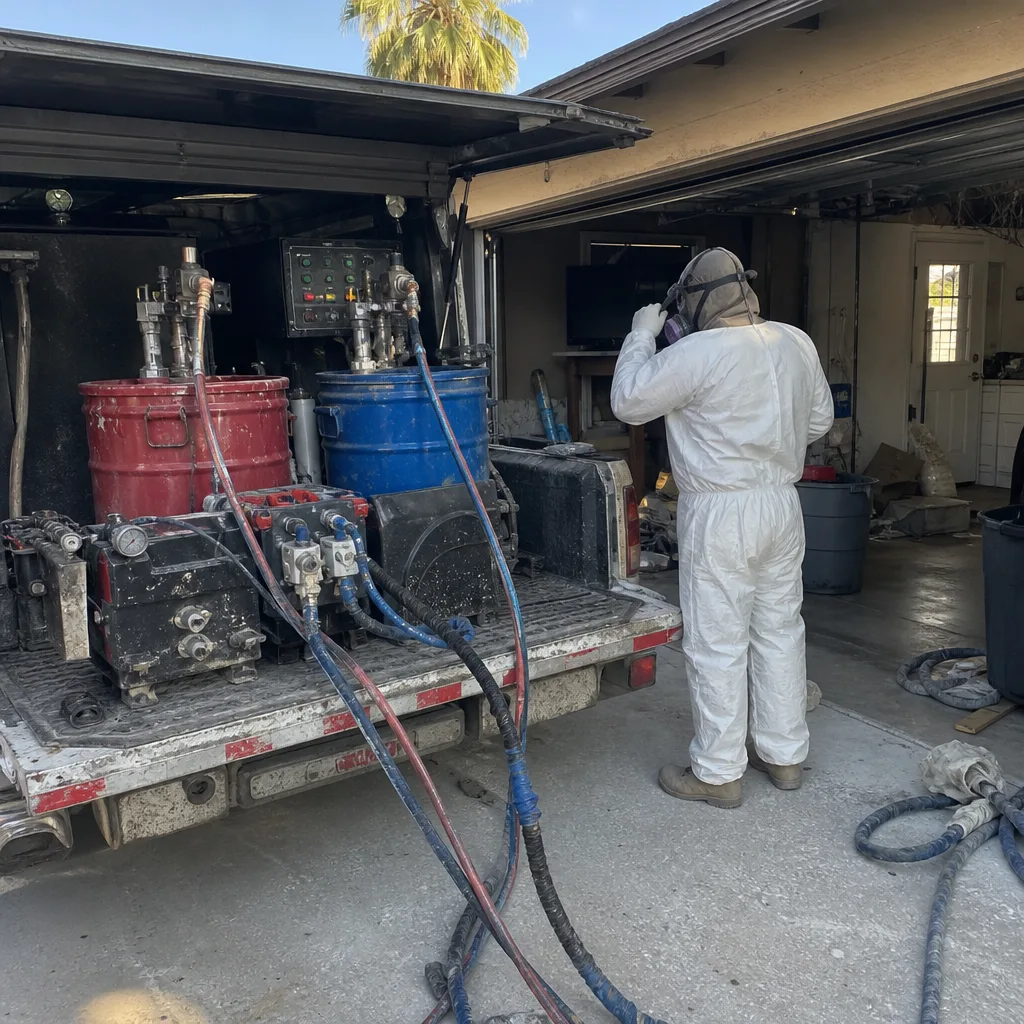
Pre-Insulation Prep Cleaning
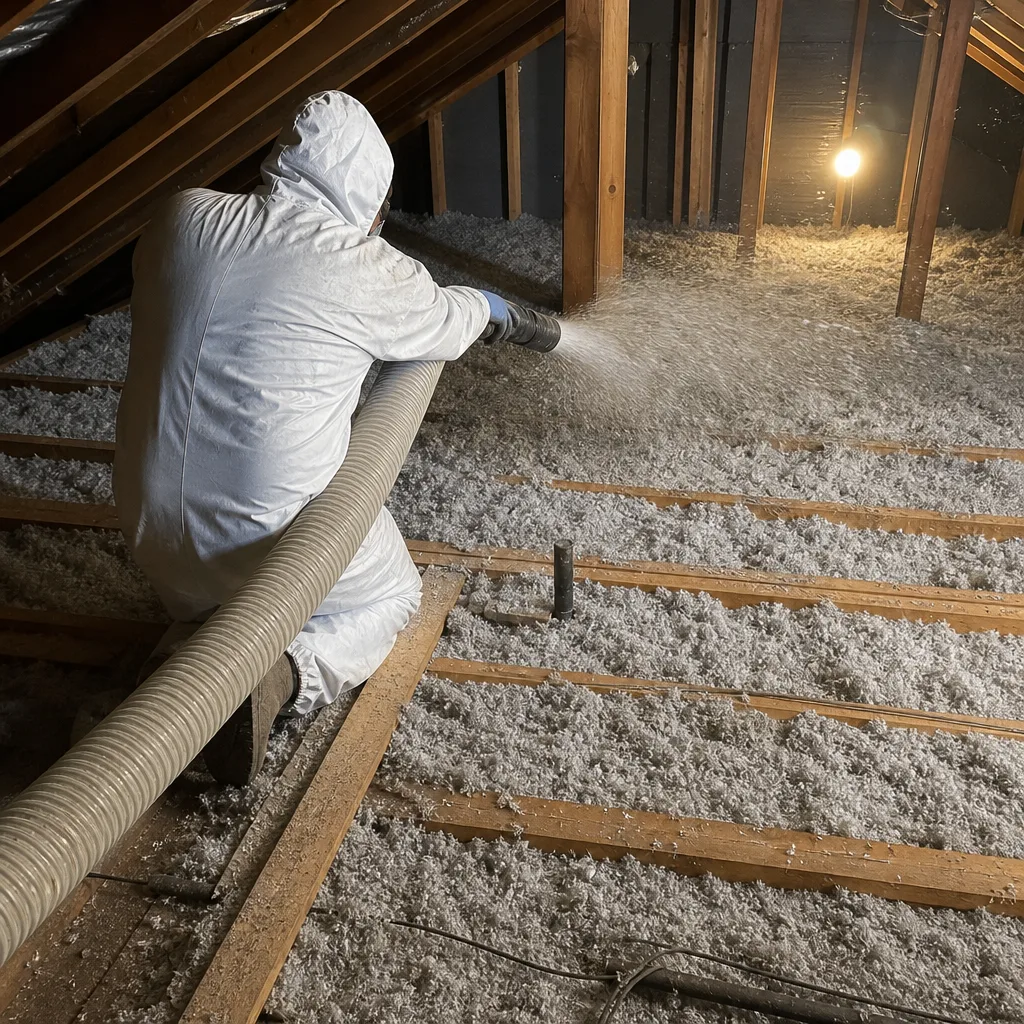
When you’re adding R-value in Bellflower, the attic needs to be clean first. We remove old, degraded material and debris so the new batts or blown-in fiberglass or cellulose can settle correctly. Skipping this step shortens the life of the new insulation and cuts its effective R-value.
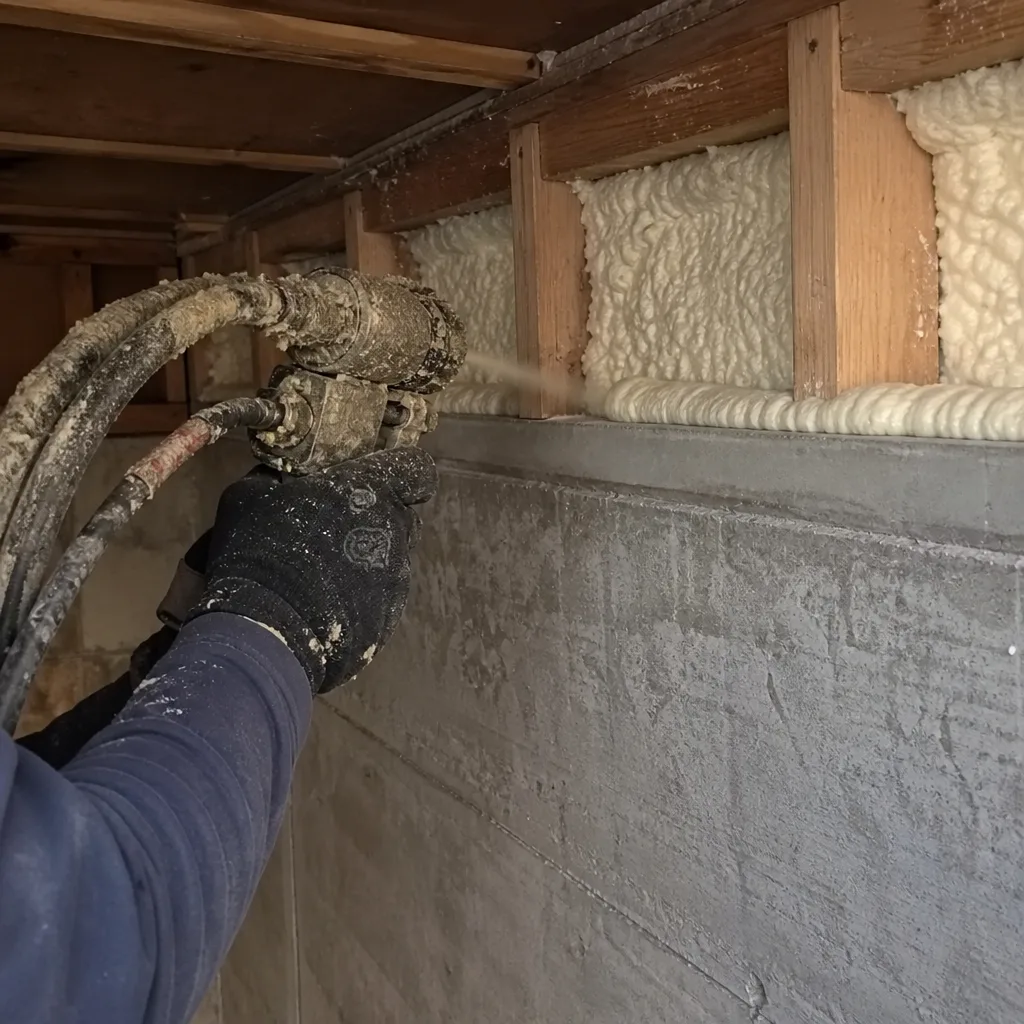
What happens when you call
- 1
A real person answersNo phone trees — you reach a local pro.
- 2
You get an upfront price rangeHonest numbers before anyone is dispatched.
- 3
A background-checked tech heads outLicensed & insured, dispatched right away.
- 4
You approve before work beginsNothing starts until you say go.
Attic Mold Removal in Bellflower
Attic Mold Removal in Bellflower is driven by the same conditions that make this area’s homes vulnerable: hot, dry summers and poor venting. When a low-pitched hip roof or flat-roof addition traps hot air, moisture accumulates on the underside of the roof deck, and mold follows. A typical attic mold removal in Bellflower runs $800 – $2,000 depending on square footage and contamination level. It’s not a cosmetic job; mold spores circulate through the house and degrade the roof structure. We treat it as a ventilation and air sealing problem first, then remove the mold.
Venting and Moisture Correction
Mold returns unless the attic’s airflow is fixed. In Bellflower’s tract homes, original ridge and soffit venting was minimal. We assess venting before we remove mold, because the venting piece determines whether the fix holds.
Deck Treatment and Structural Check
After mold removal, the roof deck needs to be checked for rot and re-treated. In homes with original 2×4 framing and early drywall, moisture has had years to work. We inspect the deck and let you know if a roofing contractor needs to get involved before we insulate.
Trusted Brands We Service in Bellflower
We carry Owens Corning and Johns Manville fiberglass because both deliver consistent R-value per inch and are widely specified for Bellflower retrofit work. Rockwool shows up in homes where fire resistance or moisture concerns rule out standard fiberglass: it handles the damp attic corners and the heat that builds up under a low-pitched hip roof better than most products in its class. For Bellflower homeowners who want a recycled-content option, GreenFiber cellulose dense-packs well into the tight 2×4 walls of a 1950s stucco bungalow. We stock these brands locally, which means we can turn a Bellflower attic job around without waiting on a distributor.
Common Attic Insulation Problems We See in Bellflower Homes
- Settled or minimal original insulation. Many Bellflower homes built between 1940 and 1965 have an inch or two of original material in the attic. In July, that thin layer loses its fight against the inland Los Angeles Basin heat, and the cooling load spikes. A top-up or full replacement is almost always the answer.
- Unsealed stucco penetrations and sill plates. In Bellflower’s older tract neighborhoods, the original wood-framed windows and stucco walls let hot afternoon air slip in around the edges. Adding R-value without sealing these gaps means the new insulation never gets a chance to do its job. Air sealing comes first.
- Uneven venting on low-pitched and flat roofs. The 90706 ZIP code has a lot of hip roofs and flat-roof additions that weren’t vented well from day one. Hot dry air gets trapped in the attic and defeats the installed R-value. We fix the venting or the insulation doesn’t matter.
- Builder-grade attics in newer infill homes. Even the newer Bellflower infill construction often goes in with minimal R-value. The original insulation settles within a few years, and the homeowner pays for it on every summer energy bill. A top-up restores what the builder skipped.
Pricing for Attic Insulation in Bellflower, CA
Attic insulation prices in Bellflower are driven by the same thing as everywhere else in the LA Basin: access, square footage, and the condition of what’s already up there. A simple blown-in top-up in a ranch-style tract home off Bellflower Boulevard runs $1,500 – $3,000. Attic cleaning runs $300 – $700, mold removal $800 – $2,000, and a full air-seal-and-insulate retrofit on a 1950s bungalow typically lands between $3,000 and $7,000 depending on attic size and wall work. We give free written estimates so you know the number before we start. Call (855) 382-3451 and we’ll come out to Bellflower, look at the attic, and quote it honestly.
We Also Serve Cities Near Bellflower
Thermal Insulation Co works across Southeast LA County, and many of our Bellflower customers come by referral from Attic Insulation in Bellflower neighbors in Paramount, Norwalk, Artesia, and Cerritos. The housing stock in all of them shares the same post-WWII DNA: stucco, low-pitched roofs, and underinsulated attics. If you’re nearby and need the same retrofit work, call (855) 382-3451.
Serving Bellflower, CA — Our Local Coverage Area
We’re based in the Bellflower area and know this community well. Use the map below to see our service coverage — if you’re nearby, we can almost certainly help.
FAQs About Attic Insulation in Bellflower
Builder-grade attics in Bellflower infill homes go in with the minimum R-value allowed at the time, often R-30 or less, which settles and compresses within a few years. The original insulation in a Bellflower attic may have lost a third of its effective R-value due to settling and compression. If your home was built in the last 10 – 15 years, a top-up with blown-in fiberglass or cellulose typically fixes it for $1,500 – $3,000. Call (855) 382-3451 for a free estimate.
No. Air sealing comes first in Bellflower’s older stucco bungalows, because the unsealed stucco penetrations and sill plates around the original windows let hot afternoon air bypass the insulation entirely. Adding R-value first is like upgrading the roof while leaving the windows open. A proper retrofit sequence in the 90706 ZIP: seal the stucco gaps, dense-pack the walls if needed, then blow the attic.
Yes. Flat-roof additions and low-pitched hip roofs across Bellflower need a different approach than a standard blown-in job. We assess the roof cavity and venting first, because trapped hot air defeats installed R-value. If the roof can’t be conventionally vented, we recommend the appropriate method, often a combination of air sealing and dense-packed insulation. We do these jobs regularly in Bellflower.
We install Owens Corning, Johns Manville, Knauf, Rockwool, CertainTeed, Icynene, Demilec, and GreenFiber. That’s eight brands across fiberglass, mineral wool, spray foam, and recycled cellulose. The brand choice for a Bellflower retrofit depends on the roof type, moisture conditions, and your R-value target, not on what we happen to have in the warehouse. We stock these locally and can start most Bellflower jobs within a week.
Often yes. In Bellflower’s older homes, you may have decades of dust, rodent droppings, or settled material sitting on the attic deck. Installing new insulation without cleaning it first shortens the life of the new material and cuts its performance. Mold in the attic is a bigger problem that requires correction before any insulation goes in. A typical attic cleaning in Bellflower runs $300 – $700, and mold removal $800 – $2,000. Call (855) 382-3451 and we’ll tell you what your attic actually needs before we quote a dollar figure.
Written by Ruben Castellano, Owner at Thermal Insulation Co, serving Bellflower and the surrounding Los Angeles Basin since 2011.